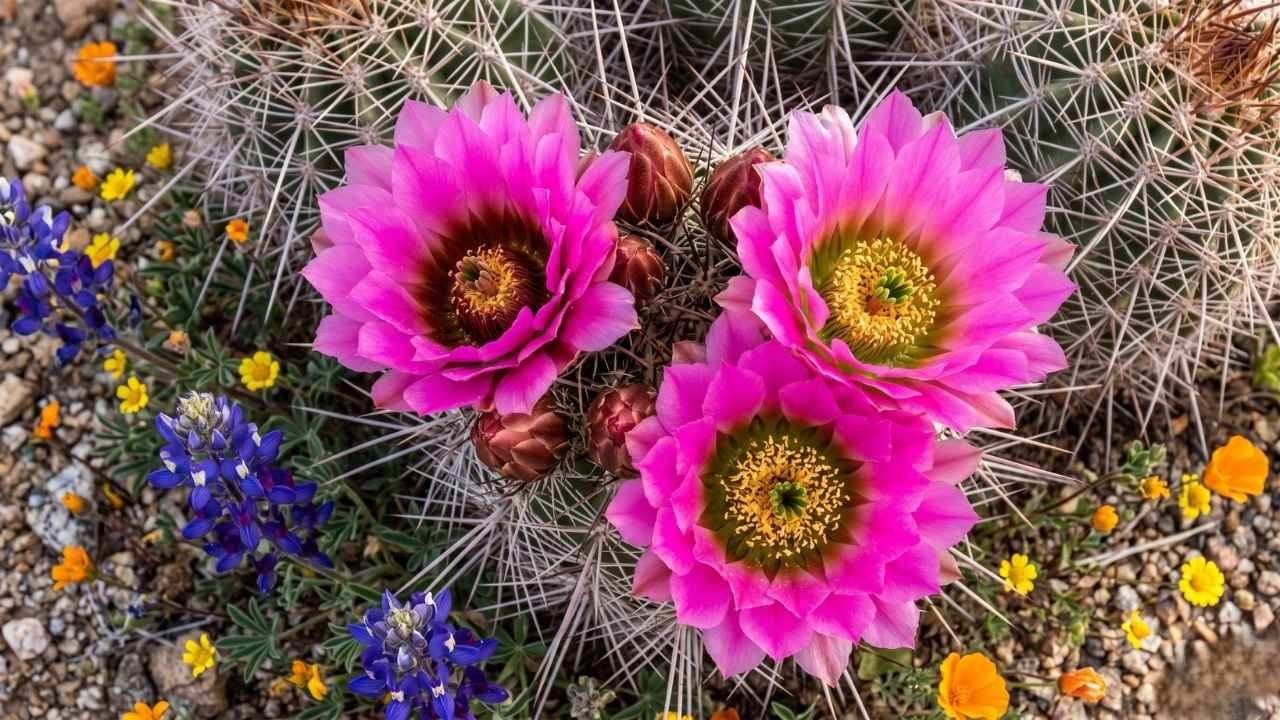
Sclerocactus Care Guide: Sclerocactus is a fascinating group of cacti known for its rugged beauty, striking spines, and impressive ability to survive in some of the harshest environments in North America. Often referred to as fishhook cacti because of their curved spines, these plants are highly valued by collectors and cactus enthusiasts. While they can be challenging to grow compared to more common succulents, understanding their natural habitat and specific care requirements can significantly improve your success.
Whether you are adding a Sclerocactus to your collection for the first time or looking to improve the health of an existing plant, this guide covers everything you need to know about growing, propagating, watering, and encouraging beautiful blooms.
Understanding Sclerocactus
Sclerocactus species are native to arid and semi-arid regions of the western United States and parts of northern Mexico. They typically grow in rocky soils, deserts, and grasslands where rainfall is limited and temperatures can fluctuate dramatically between seasons.
These cacti are generally small and compact, featuring thick stems covered with dense spines that help protect them from harsh sunlight and grazing animals. During the flowering season, mature plants produce vibrant blooms in shades of pink, purple, yellow, or white, creating a stunning contrast against their spiny appearance.
Because they evolved in demanding conditions, Sclerocactus requires a careful approach to cultivation, especially regarding water management and soil drainage.
Choosing the Best Location
Providing the right growing environment is essential for maintaining a healthy Sclerocactus. These plants thrive in locations that receive abundant sunlight throughout the day.
Outdoor specimens perform best in areas with full sun exposure and good air circulation. If you live in a region with extremely hot summers, light afternoon shade may help prevent stress during periods of intense heat.
Indoor growers should place Sclerocactus near a bright south-facing window where it can receive several hours of direct sunlight daily. If natural light is limited, high-quality grow lights can help support healthy development.
Insufficient light often leads to weak growth, poor coloration, and reduced flowering potential.
Soil Requirements for Healthy Roots
Proper soil selection is one of the most important aspects of Sclerocactus care. These cacti naturally grow in mineral-rich, rocky substrates that drain water rapidly.
A commercial cactus mix can serve as a starting point, but many experienced growers improve drainage by adding coarse sand, crushed granite, pumice, or perlite. The goal is to create a gritty growing medium that allows moisture to pass through quickly.
Heavy soils that retain water should be avoided because prolonged moisture around the roots can lead to rot and other serious health issues.
Excellent drainage is often the difference between a thriving plant and one that struggles.
Watering Sclerocactus Correctly
Watering is the area where most growers encounter difficulties. Sclerocactus prefers a dry growing environment and is highly sensitive to excessive moisture.
During spring and early summer, when active growth occurs, water deeply but infrequently. Allow the soil to dry completely before watering again. This approach mimics the natural rainfall patterns found in the plant’s native habitat.
As temperatures cool and growth slows, gradually reduce watering frequency. During winter dormancy, many growers provide little to no water, especially for mature plants.
Overwatering can cause root rot, stem softening, and fungal diseases. When in doubt, it is generally safer to wait a little longer before watering.
Temperature and Climate Needs
Sclerocactus is adapted to environments that experience both hot summers and cold winters. Many species are surprisingly cold hardy and can tolerate freezing temperatures when kept dry.
Good winter dormancy is often essential for healthy growth and flowering. Cool temperatures during the dormant season help the plant follow its natural growth cycle.
While these cacti can withstand cold conditions, combining freezing temperatures with wet soil can be harmful. Protecting plants from excessive winter moisture is often more important than protecting them from cold alone.
Container-grown specimens can be moved to sheltered locations if severe weather is expected.
Fertilizing for Better Growth
Sclerocactus generally requires very little fertilizer. Excess nutrients can encourage weak growth that is less resistant to environmental stress.
During the growing season, a diluted cactus fertilizer can be applied once every four to six weeks. Low-nitrogen formulas are often preferred because they support balanced growth without causing excessive stem expansion.
Avoid fertilizing during the dormant period when the plant is not actively growing.
Moderate feeding combined with proper sunlight and watering typically provides the best results.
Repotting and Container Selection
Repotting is usually necessary only every few years because Sclerocactus grows relatively slowly. When repotting becomes necessary, choose a container with excellent drainage.
Terracotta pots are popular because they allow moisture to evaporate more easily than plastic containers. This feature helps reduce the risk of overwatering.
Repot during spring before active growth begins. Use fresh, well-draining soil and handle the plant carefully to avoid injury from its sharp spines.
After repotting, wait several days before watering to allow any damaged roots to heal.
Propagation Techniques
Propagating Sclerocactus can be more challenging than propagating many other succulent species. Most species are commonly grown from seeds rather than cuttings.
Fresh seeds generally provide the highest germination rates. Sow seeds in a well-draining growing medium and maintain consistent warmth and light moisture until germination occurs.
Seedlings grow slowly and require patience, but they often develop into strong, healthy plants when properly cared for.
Some species may occasionally produce offsets that can be separated and rooted, though this method is less common.
Common Problems and Solutions
Despite their toughness, Sclerocactus plants can experience several issues when grown under unsuitable conditions.
Root rot is the most serious problem and is almost always linked to excessive watering or poor drainage. Preventing this issue begins with using the correct soil and watering sparingly.
Mealybugs and scale insects may occasionally appear, particularly on indoor plants. Regular inspections help identify infestations before they become severe.
Poor flowering often results from inadequate sunlight, insufficient winter dormancy, or excessive fertilizer use. Adjusting these factors can improve blooming performance over time.
Maintaining proper growing conditions is the most effective way to prevent problems before they develop.
Encouraging Beautiful Blooms
One of the most rewarding aspects of growing Sclerocactus is witnessing its spectacular flowers. Mature plants produce blooms that can be surprisingly large compared to the size of the cactus itself.
To encourage flowering, provide full sunlight, proper seasonal dormancy, and careful watering practices. Consistent care over several years often results in stronger flowering displays.
Patience is important because many species require time to reach blooming age. Once established, however, healthy plants can produce impressive floral displays each growing season.
Final Thoughts
Sclerocactus is a remarkable cactus that combines durability, unique beauty, and stunning blooms. Although it requires more attention to watering and drainage than some beginner-friendly succulents, the rewards are well worth the effort.
By providing abundant sunlight, gritty well-draining soil, careful watering, and proper seasonal dormancy, you can successfully grow healthy Sclerocactus plants for many years. With patience and the right care techniques, these extraordinary desert cacti can become standout specimens in any collection and reward growers with spectacular blooms season after season.
