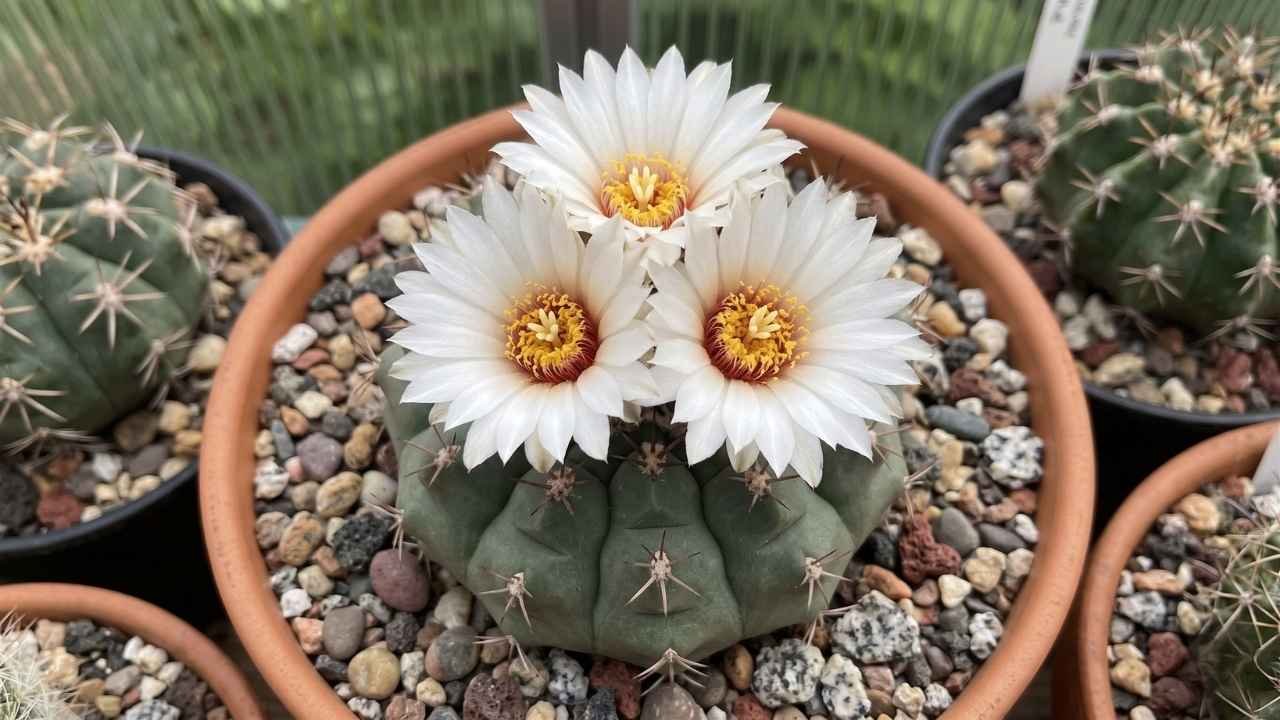
Austrocactus Care Guide: Austrocactus is a fascinating genus of cacti native to the cool and rugged regions of southern South America. Unlike many desert cacti that thrive in scorching heat, Austrocactus species are adapted to cooler climates and can tolerate lower temperatures than most cactus varieties. Their unique appearance, spiny stems, and stunning flowers make them highly desirable among cactus enthusiasts and collectors.
Whether you are a beginner looking to expand your plant collection or an experienced grower seeking flowering success, understanding the specific needs of Austrocactus is essential. With the right care, these resilient plants can reward you with healthy growth and spectacular blooms year after year.
Understanding Austrocactus
Austrocactus belongs to a small group of cacti found primarily in Argentina and neighboring regions. These plants often grow in rocky, well drained environments where rainfall is limited but temperatures can vary significantly throughout the year.
The stems are typically cylindrical or slightly segmented and covered with attractive spines. Depending on the species, flowers may appear in shades of yellow, pink, red, or purple. Their blooms are often large relative to the plant size, creating a striking visual display.
One of the most appealing characteristics of Austrocactus is its adaptability to cooler growing conditions. This makes it a suitable choice for growers who live in regions where traditional desert cacti may struggle outdoors.
Ideal Growing Conditions
Providing the right environment is the foundation of successful Austrocactus care. While these cacti are hardy, they still require specific conditions to thrive.
Bright light is essential for healthy growth. Place your Austrocactus in a location that receives several hours of direct sunlight each day. A south facing window, greenhouse, or sunny outdoor area is ideal. Adequate light helps maintain compact growth and encourages flowering.
Temperature also plays an important role. Austrocactus appreciates warm growing conditions during spring and summer but can tolerate cooler temperatures during winter. Many species can withstand light frost when kept dry, making them more cold tolerant than many other cacti.
Good air circulation is equally important. Stagnant air can contribute to fungal issues and poor plant health. Growing these cacti in a well ventilated area promotes stronger growth and reduces the risk of disease.
Choosing the Right Soil
Like most cacti, Austrocactus requires excellent drainage. Poorly draining soil is one of the most common causes of plant failure.
A cactus mix enriched with coarse materials such as pumice, perlite, coarse sand, or small gravel works exceptionally well. The goal is to create a growing medium that allows water to move quickly through the pot while still retaining a small amount of moisture.
Avoid heavy garden soil or mixes rich in organic matter. Excess moisture around the roots can lead to rot, especially during cooler months when growth slows down.
Terracotta pots are often recommended because they allow excess moisture to evaporate more efficiently than plastic containers.
Watering Requirements
Proper watering is one of the most important aspects of Austrocactus care. Although these plants are drought tolerant, they still need regular moisture during their active growing season.
Water thoroughly when the soil has completely dried out. During spring and summer, this may mean watering every one to two weeks depending on climate, pot size, and sunlight exposure.
Always allow excess water to drain away completely. Never leave the pot sitting in standing water.
As autumn approaches, gradually reduce watering frequency. During winter dormancy, water very sparingly or keep the plant almost completely dry. This resting period helps prepare the cactus for healthy growth and flowering in the following season.
Fertilizing for Strong Growth
Austrocactus benefits from occasional feeding during the growing season. Use a balanced cactus fertilizer diluted to half strength every four to six weeks during spring and summer.
Avoid excessive fertilization, as this can encourage weak, elongated growth and reduce flowering potential. The goal is to support steady development without overstimulating the plant.
Stop fertilizing in late summer or early autumn as the plant begins transitioning into its dormant period.
Propagation Techniques
Propagation is an enjoyable way to expand your collection and share plants with fellow enthusiasts.
Many Austrocactus species can be propagated from stem cuttings. Select a healthy segment and remove it carefully using a clean tool. Allow the cutting to dry and callus for several days before placing it in a dry, well draining growing medium.
Roots typically begin forming after several weeks. During this period, keep the cutting in bright indirect light and avoid excessive watering.
Growing Austrocactus from seed is another rewarding method. Fresh seeds generally provide the best germination rates. Sow them on the surface of a well drained seed starting mix and maintain light moisture until germination occurs.
Seed grown plants require patience but often develop strong root systems and unique characteristics over time.
Encouraging Beautiful Flowers
Flowering is one of the most exciting aspects of growing Austrocactus. While these plants are capable of producing stunning blooms, several factors influence flowering success.
Adequate sunlight is essential. Plants grown in insufficient light may remain healthy but fail to produce flowers.
A cool, dry winter rest period is equally important. Seasonal changes signal the plant to prepare flower buds for the upcoming growing season. Without this dormancy period, flowering may be delayed or reduced.
Avoid overwatering and excessive fertilization, as both can interfere with bloom production. Mature plants are generally more likely to flower than young specimens.
With proper care and patience, Austrocactus can reward growers with vibrant blossoms that transform the appearance of the entire plant.
Common Problems and Solutions
Although relatively easy to care for, Austrocactus can occasionally encounter issues.
Root rot is the most common problem and is usually caused by overwatering or poor drainage. If detected early, removing affected roots and repotting in fresh, dry soil may save the plant.
Stretching or elongated growth often indicates insufficient light. Moving the cactus to a brighter location usually resolves the issue.
Pests such as mealybugs and spider mites can sometimes appear. Regular inspections help identify infestations before they become serious. Treat affected plants promptly using appropriate pest control methods.
Yellowing stems may result from overwatering, nutrient imbalance, or environmental stress. Reviewing care practices can usually identify the underlying cause.
Seasonal Care Tips
Spring marks the beginning of active growth. Increase watering gradually and resume fertilization as temperatures rise.
Summer is the peak growing season. Ensure adequate sunlight, proper ventilation, and regular watering when needed.
Autumn is the time to reduce watering and prepare the plant for dormancy. Stop fertilizing and monitor temperature changes.
Winter should be a period of rest. Keep the cactus cool and mostly dry while ensuring it receives sufficient light. This dormancy phase is critical for future flowering performance.
Conclusion
Austrocactus is a unique and rewarding cactus genus that offers both resilience and beauty. Its ability to tolerate cooler conditions sets it apart from many other cacti, making it an excellent choice for a wide range of growers. By providing bright light, well drained soil, careful watering, and a proper winter rest period, you can enjoy healthy growth and spectacular blooms for many years.
Whether you propagate new plants from cuttings, grow them from seed, or simply admire their vibrant flowers, Austrocactus brings a distinctive charm to any cactus collection. With patience and consistent care, these remarkable plants can become one of the highlights of your indoor or outdoor garden.
