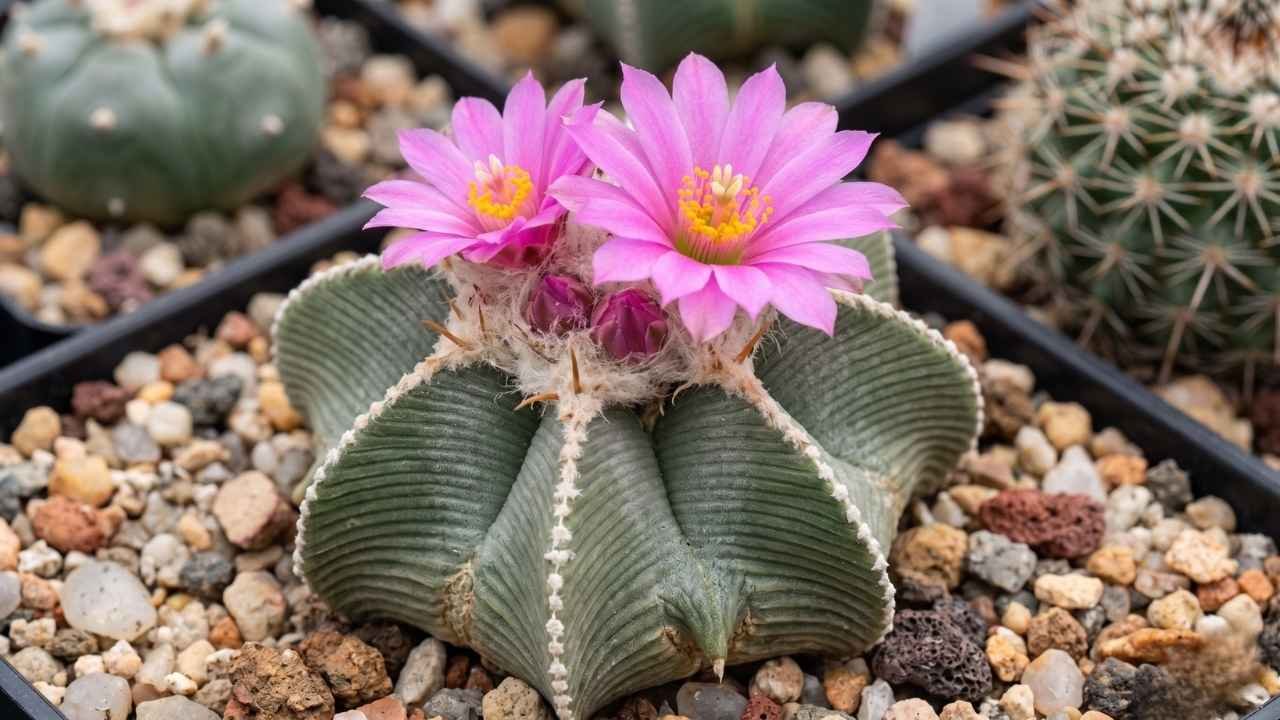
Epithelantha Cactus Care Guide: Epithelantha is a fascinating genus of miniature cacti that has gained popularity among succulent enthusiasts and collectors worldwide. Known for their small size, dense spines, and delicate appearance, these charming plants are perfect for windowsill gardens, cactus collections, and container displays.
Native to the arid regions of Mexico and parts of the southwestern United States, Epithelantha cacti have adapted to survive in some of the harshest environments on earth. Despite their rugged nature, they possess a unique beauty that makes them highly desirable among growers.
While these cacti are generally considered low maintenance, understanding their specific needs can significantly improve their health and longevity. This guide covers everything you need to know about growing, caring for, and propagating Epithelantha successfully.
Understanding Epithelantha Cacti
Epithelantha belongs to a small genus of cacti characterized by compact globular stems covered in fine white or gray spines. These spines often create a woolly appearance that helps protect the plant from intense sunlight and water loss in its native habitat.
Most species remain relatively small throughout their lives, making them ideal for growers with limited space. During the growing season, mature plants may produce tiny pink or pale flowers followed by attractive red fruits.
Their slow growth rate means that Epithelantha plants often retain their neat appearance for many years with minimal maintenance.
Light Requirements
Providing adequate light is one of the most important aspects of Epithelantha care. These cacti thrive in bright conditions and benefit from several hours of direct sunlight each day.
Indoor plants should be placed near a sunny south facing or west facing window where they can receive sufficient natural light. If indoor lighting is inadequate, supplemental grow lights can help maintain healthy growth and prevent stretching.
When grown outdoors, Epithelantha generally performs well in bright sunlight. However, in extremely hot climates, some protection during the hottest afternoon hours may prevent stress and sun damage.
Proper lighting encourages compact growth, vibrant coloration, and successful flowering.
Temperature and Climate Needs
Epithelantha cacti prefer warm temperatures and are well suited to dry environments. During the active growing season, temperatures between 70°F and 90°F support healthy development.
These plants can tolerate cooler conditions during winter as long as they remain dry and protected from freezing temperatures. Prolonged frost exposure can damage tissues and may lead to plant loss.
For growers in colder regions, container cultivation provides flexibility, allowing plants to be moved indoors when necessary.
Maintaining stable temperatures and avoiding sudden environmental changes helps reduce stress and supports long term health.
Choosing the Right Soil
Like most desert cacti, Epithelantha requires excellent drainage. Poorly draining soil is one of the most common causes of cultivation problems.
A high quality cactus mix combined with mineral materials such as pumice, coarse sand, lava rock, or crushed granite creates an ideal growing medium. These ingredients improve airflow around the roots and prevent excess moisture accumulation.
Heavy garden soils should be avoided because they retain water for extended periods and increase the risk of root rot.
The goal is to replicate the rocky, fast draining conditions found in the plant’s natural habitat.
Watering Techniques
Watering correctly is essential for maintaining a healthy Epithelantha cactus. Although these plants are drought tolerant, they still require moisture during active growth.
During spring and summer, water thoroughly when the soil has completely dried. Allow excess water to drain freely and avoid leaving the pot standing in water.
As temperatures cool in autumn, gradually reduce watering frequency. During winter dormancy, very little water is required. Many growers water only occasionally or not at all during this period, depending on environmental conditions.
Overwatering is significantly more harmful than underwatering. Healthy roots require periods of dryness between watering sessions.
Humidity and Air Circulation
Epithelantha thrives in low humidity environments similar to its native desert habitat. Excessive moisture in the air can contribute to fungal issues and other health problems.
Good air circulation helps maintain healthy growth and prevents moisture from accumulating around the plant. Indoor growers should ensure adequate ventilation, especially when keeping multiple succulents together.
Normal household humidity levels are usually suitable for successful cultivation.
Fertilizing for Better Growth
Although Epithelantha grows slowly, occasional feeding can support healthy development and flowering.
During the growing season, apply a diluted cactus fertilizer once every four to six weeks. A balanced formula designed specifically for cacti and succulents works best.
Avoid excessive fertilization because too many nutrients can encourage weak growth and reduce the plant’s natural compact form.
Fertilizing should stop during winter dormancy when the plant is not actively growing.
Repotting Guidelines
Because Epithelantha grows slowly, repotting is only necessary every few years. Repotting becomes important when the plant outgrows its container or when the soil begins to break down.
Spring is generally the best time for repotting since the plant is entering its active growth phase. Carefully remove the cactus from its pot and inspect the roots for any signs of disease or damage.
Use fresh, well draining soil and choose a container with adequate drainage holes.
After repotting, wait several days before watering to allow any damaged roots to heal properly.
How to Propagate Epithelantha
Propagation can be achieved through seeds or offsets, depending on the species.
Seed propagation is the most common method. Fresh seeds generally provide the best germination rates and should be sown in a sterile, well draining medium. Warm temperatures and consistent moisture help encourage successful germination.
Some mature plants produce offsets that can be carefully separated and rooted independently. This method is often faster than growing plants from seed.
Regardless of the technique used, patience is essential because Epithelantha develops slowly compared to many other succulents.
Common Problems and Solutions
Although relatively hardy, Epithelantha can experience several common issues if growing conditions are not ideal.
Root rot remains the most serious threat and usually results from excessive watering or poor drainage. Prevention is far easier than treatment, making proper soil and watering practices critical.
Mealybugs and spider mites may occasionally appear. Regular inspections help detect pests before infestations become severe. Early treatment is usually effective and prevents long term damage.
Stretching or elongated growth often indicates insufficient light. Relocating the plant to a brighter area typically resolves this problem.
Discoloration may result from environmental stress, improper watering, or sudden temperature changes.
Encouraging Flowers and Fruit
One of the most rewarding aspects of growing Epithelantha is witnessing its delicate flowers and colorful fruits.
Flower production is encouraged by providing bright light, proper seasonal watering, and a cool winter rest period. Mature plants are more likely to bloom consistently when their natural growth cycle is respected.
Following successful pollination, many species produce attractive red fruits that add additional ornamental value to the plant.
Patience is important, as younger plants may require several years before flowering regularly.
Why Collectors Love Epithelantha
Epithelantha has become a favorite among cactus enthusiasts because of its unique appearance, manageable size, and fascinating growth habits.
Its intricate spine patterns create an elegant texture that stands out in any succulent collection. The compact size makes it suitable for small spaces, while its slow growth allows collectors to enjoy its form for many years.
Despite its delicate appearance, Epithelantha is remarkably resilient when provided with the proper care.
Conclusion
Epithelantha cacti offer a wonderful combination of beauty, uniqueness, and manageable care requirements. By providing bright light, well draining soil, careful watering, and appropriate seasonal care, growers can enjoy healthy plants that thrive for decades.
Whether you are a beginner exploring the world of cacti or an experienced collector seeking a distinctive addition to your collection, Epithelantha is an excellent choice. With patience and attention to its natural needs, this remarkable cactus can reward you with years of healthy growth, charming flowers, and lasting appeal.
