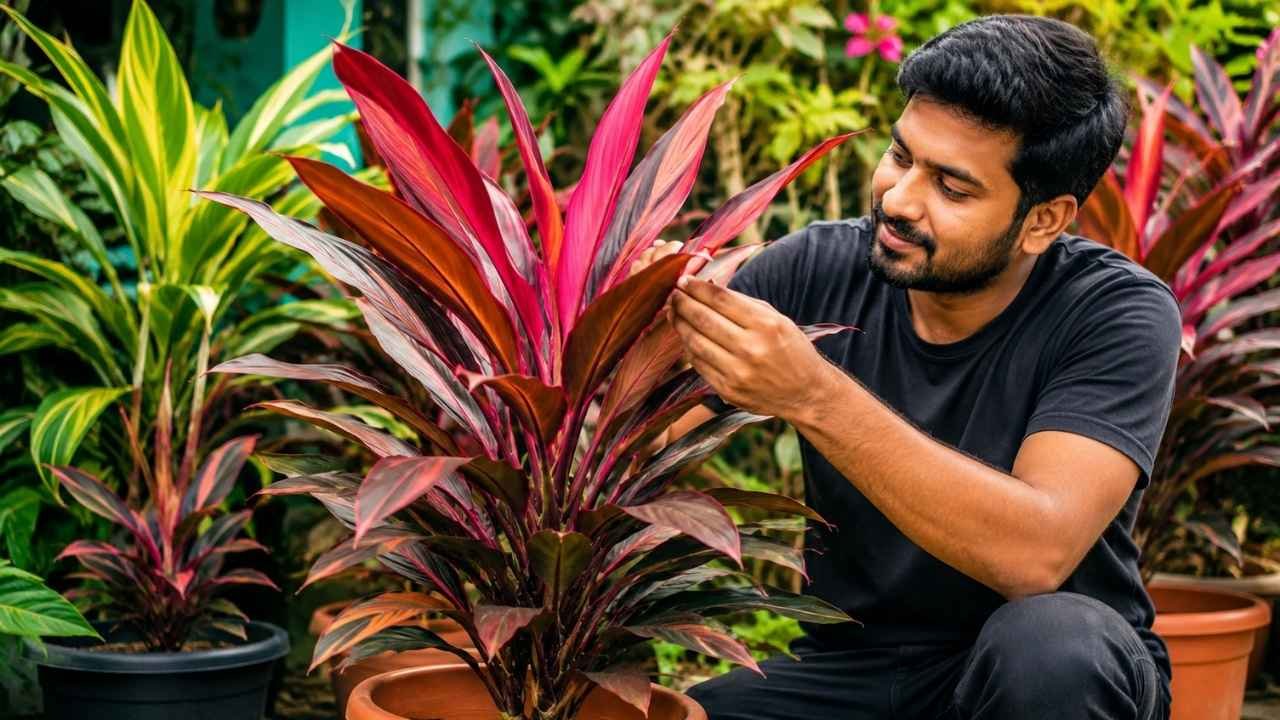
Cordyline Care Guide: Cordyline is one of the most striking foliage plants you can add to a garden, patio, balcony, or indoor plant collection. Known for its colorful leaves and tropical appearance, this plant instantly creates a lush and exotic atmosphere wherever it grows. With shades ranging from deep green and burgundy to vibrant pink, red, purple, and cream, Cordyline offers year round visual interest that few ornamental plants can match.
Many gardeners are drawn to Cordyline because it delivers dramatic color without relying on flowers. Its long sword shaped leaves create texture and movement, making it an excellent focal point in landscape designs and container gardens. Whether you are a beginner or an experienced gardener, learning how to care for Cordyline properly will help you enjoy healthy growth and vivid foliage for many years.
Although Cordyline is often considered low maintenance, it still requires the right balance of light, water, soil, and nutrients. Understanding its growing requirements can prevent common issues such as yellowing leaves, brown tips, slow growth, and root rot.
This comprehensive guide covers everything you need to know about growing vibrant Cordyline plants successfully, from planting and watering to pruning and troubleshooting common problems.
Understanding Cordyline Plants
Cordyline belongs to a group of tropical and subtropical plants valued primarily for their decorative foliage. These plants originate from regions of Southeast Asia, Australia, New Zealand, and the Pacific Islands. In their natural habitat, they thrive in warm climates with consistent moisture and filtered sunlight.
Cordyline varieties differ in size, color, and growth habit. Some remain compact and suitable for containers, while others can develop into small tree like specimens over time. Their architectural appearance makes them popular in modern landscapes, tropical gardens, and indoor plant collections.
One reason Cordyline has become a favorite among gardeners is its versatility. It can be grown indoors as a houseplant, outdoors in containers, or directly in the ground in suitable climates. With proper care, its colorful leaves remain attractive throughout the year.
Choosing the Right Cordyline Variety
Selecting the right variety is the first step toward success. Different Cordyline cultivars offer unique color combinations and growth characteristics.
Some varieties feature rich burgundy foliage that creates a dramatic visual impact. Others display bright pink or red streaks that stand out beautifully against green landscapes. Certain cultivars combine cream, yellow, and green tones for a softer and more elegant appearance.
When choosing a Cordyline, consider your available space, local climate, and overall garden design. Compact varieties are ideal for patios and balconies, while larger specimens work well as landscape focal points.
Healthy plants should have vibrant leaves, strong stems, and no signs of pests or disease. Avoid specimens with excessive browning, yellowing, or damaged roots.
Ideal Growing Conditions
Creating suitable growing conditions is essential for maintaining colorful and healthy foliage.
Cordyline generally prefers warm temperatures and moderate humidity. Most varieties perform best when temperatures remain consistently above 15°C. Extended exposure to cold weather can damage leaves and stunt growth.
These plants appreciate locations protected from harsh winds, which can tear leaves and reduce their ornamental value. In cooler regions, growing Cordyline in containers allows easy relocation during cold seasons.
Humidity plays an important role, especially for indoor plants. Dry air may cause leaf edges to become brown and crispy. Increasing humidity through regular misting or placing a tray of water nearby can help maintain healthy foliage.
Light Requirements
Light is one of the most important factors affecting Cordyline color and growth.
Most Cordyline varieties thrive in bright indirect sunlight. This type of lighting helps maintain vivid leaf coloration while preventing scorch damage. Outdoor plants generally perform well in partial shade or filtered sunlight.
Varieties with darker foliage often tolerate more direct sunlight than those with lighter or variegated leaves. However, excessive afternoon sun can burn delicate foliage, especially during hot summer months.
Indoor plants should be placed near bright windows where they receive plenty of natural light throughout the day. If the leaves begin losing color or becoming pale, insufficient light may be the cause.
Finding the right balance of sunlight helps produce stronger stems, healthier growth, and more vibrant foliage.
Soil Requirements
Cordyline grows best in well draining soil rich in organic matter.
Heavy soils that retain excessive moisture can lead to root rot and other serious problems. Improving drainage is crucial for long term plant health.
A quality potting mix containing compost, peat alternatives, bark, or coco coir provides excellent growing conditions. Adding perlite or coarse sand further improves aeration and drainage.
For garden planting, incorporate organic matter into the soil before planting. This improves both nutrient availability and moisture retention while maintaining good drainage.
The ideal soil should remain lightly moist without becoming waterlogged.
Planting Cordyline Correctly
Proper planting establishes a strong foundation for future growth.
When planting in containers, choose pots with adequate drainage holes. Select a container slightly larger than the root ball to allow room for expansion.
Place a layer of fresh potting mix at the bottom of the container. Position the plant so the top of the root ball sits at the same level as it was previously growing. Fill around the roots with soil and gently firm it into place.
After planting, water thoroughly to settle the soil and eliminate air pockets.
For outdoor planting, dig a hole twice as wide as the root ball but no deeper. This encourages roots to spread into the surrounding soil while preventing planting too deeply.
Watering Needs
Consistent watering is essential for maintaining healthy Cordyline plants.
Newly planted specimens require regular watering while establishing roots. During this period, monitor soil moisture carefully and prevent it from drying out completely.
Once established, Cordyline becomes moderately drought tolerant but still performs best with consistent moisture. Water when the top layer of soil begins to feel dry.
Overwatering remains one of the most common causes of problems. Constantly wet soil deprives roots of oxygen and encourages fungal diseases. Symptoms often include yellow leaves, wilting, and root decay.
Container grown plants generally require more frequent watering than those planted in the ground. Hot weather and strong winds can increase moisture loss significantly.
Adjust watering schedules according to seasonal conditions and plant growth rates.
Fertilizing for Vibrant Growth
Regular feeding helps Cordyline maintain its colorful appearance and vigorous growth.
During the active growing season, apply a balanced fertilizer every four to six weeks. Nutrients support leaf production, root development, and overall plant health.
Slow release fertilizers provide a steady supply of nutrients over an extended period and are often convenient for busy gardeners.
Organic options such as compost, worm castings, and well aged manure also contribute valuable nutrients while improving soil quality.
Avoid excessive fertilization, as this can lead to weak growth and leaf damage. Following recommended application rates helps achieve the best results.
Pruning and Maintenance
Cordyline requires minimal pruning, making it an excellent low maintenance plant.
Regularly remove yellow, damaged, or dead leaves to improve appearance and encourage healthy growth. Clean cuts made close to the stem help maintain a tidy shape.
Older plants may develop bare stems over time. Strategic pruning can encourage fresh growth and rejuvenate the plant’s appearance.
Removing spent foliage also improves air circulation and reduces the risk of disease problems.
Routine inspection allows gardeners to identify potential issues before they become serious.
Growing Cordyline Indoors
Cordyline adapts surprisingly well to indoor environments when given proper care.
Choose a bright location with indirect sunlight. East facing windows often provide ideal lighting conditions. Avoid placing plants near heating vents, air conditioners, or drafty doors.
Indoor humidity levels can sometimes be too low for tropical plants. Increasing humidity helps prevent brown leaf tips and supports healthy foliage development.
Rotate containers periodically to ensure even growth on all sides.
Dust accumulation on leaves can reduce photosynthesis. Gently wiping foliage with a damp cloth keeps plants attractive and functioning efficiently.
With consistent care, indoor Cordyline plants can remain beautiful focal points for many years.
Growing Cordyline Outdoors
Outdoor cultivation allows Cordyline to reach its full ornamental potential.
In suitable climates, these plants create dramatic accents in borders, tropical gardens, and mixed landscape designs. Their colorful leaves pair beautifully with flowering plants and ornamental grasses.
Planting in sheltered locations protects foliage from strong winds and environmental stress.
Mulching around the base helps conserve moisture, regulate soil temperature, and suppress weeds. Organic mulch gradually improves soil quality as it decomposes.
Outdoor plants typically require less maintenance than indoor specimens once established.
Common Pests and How to Manage Them
Although relatively resilient, Cordyline can occasionally attract pests.
Spider mites are among the most common issues, particularly in dry indoor conditions. They feed on plant sap and may cause speckled or discolored leaves.
Mealybugs and scale insects can also appear on stems and foliage. These pests weaken plants by extracting nutrients from plant tissues.
Regular inspection is the best defense. Early detection allows prompt treatment before infestations become severe.
Washing affected areas with water, increasing humidity, and using appropriate horticultural treatments often provide effective control.
Healthy plants are naturally more resistant to pest attacks.
Common Diseases and Problems
Several environmental factors can affect Cordyline health.
Root rot typically develops in poorly drained soil or when plants receive excessive water. Prevention through proper drainage remains the most effective strategy.
Leaf browning often results from low humidity, inconsistent watering, excessive fertilizer, or salt buildup in the soil.
Yellow leaves may indicate overwatering, nutrient deficiencies, or natural aging of older foliage.
Sunburn appears as bleached or scorched patches on leaves exposed to intense sunlight.
Careful observation of symptoms helps identify underlying causes and implement corrective measures quickly.
Propagating Cordyline
Propagation offers an economical way to expand your collection.
Stem cuttings are among the easiest methods. Healthy stem sections can produce new roots when placed in suitable growing conditions.
Use clean cutting tools and select vigorous stems free from pests or disease. Allow cut surfaces to dry briefly before planting.
Place cuttings in moist, well draining growing media and provide warm temperatures. Consistent moisture encourages root development.
New growth often appears within several weeks under favorable conditions.
Propagation not only creates additional plants but also rejuvenates older specimens.
Seasonal Care Tips
Cordyline care requirements change slightly throughout the year.
During spring and summer, active growth increases demand for water and nutrients. This is the ideal time for fertilizing, repotting, and propagation.
Autumn signals slower growth in many regions. Gradually reduce fertilization while continuing regular maintenance.
Winter requires special attention, especially in cooler climates. Protect outdoor plants from frost and reduce watering frequency when growth slows.
Indoor plants should remain away from cold drafts and sudden temperature fluctuations.
Adjusting care according to seasonal changes supports year round plant health.
Landscaping Ideas with Cordyline
Cordyline serves as a versatile design element in gardens and outdoor spaces.
Its bold foliage creates excellent contrast against green shrubs and flowering perennials. Planting groups of different colored varieties adds depth and visual interest.
Cordyline works beautifully in tropical themed landscapes where lush textures and vibrant colors dominate the design.
Container arrangements featuring Cordyline often become eye catching focal points on patios and balconies.
The plant’s upright growth habit also makes it useful for defining pathways, entrances, and garden borders.
Creative placement maximizes its ornamental impact throughout the landscape.
Why Gardeners Love Cordyline
The popularity of Cordyline continues to grow because it offers beauty, versatility, and relatively simple care requirements.
Unlike many ornamental plants that depend on seasonal blooms, Cordyline provides continuous color through its foliage. This year round appeal makes it valuable in both indoor and outdoor settings.
Its ability to adapt to containers, gardens, and interior spaces allows gardeners to enjoy tropical charm regardless of available space.
With proper care, Cordyline rewards growers with stunning leaves that transform ordinary spaces into vibrant tropical retreats.
Conclusion
Cordyline is an exceptional foliage plant that combines dramatic color, architectural beauty, and manageable care requirements. Whether grown indoors as a decorative houseplant or outdoors as a landscape centerpiece, it brings a touch of the tropics to any environment.
Success with Cordyline begins with providing the right balance of light, moisture, soil quality, and nutrition. Regular maintenance, proper watering practices, and seasonal adjustments ensure healthy growth and long lasting beauty.
By following the guidelines outlined in this care guide, gardeners can enjoy lush, vibrant Cordyline plants that remain attractive throughout the year. With patience and consistent care, these tropical beauties will become some of the most impressive plants in any collection.
