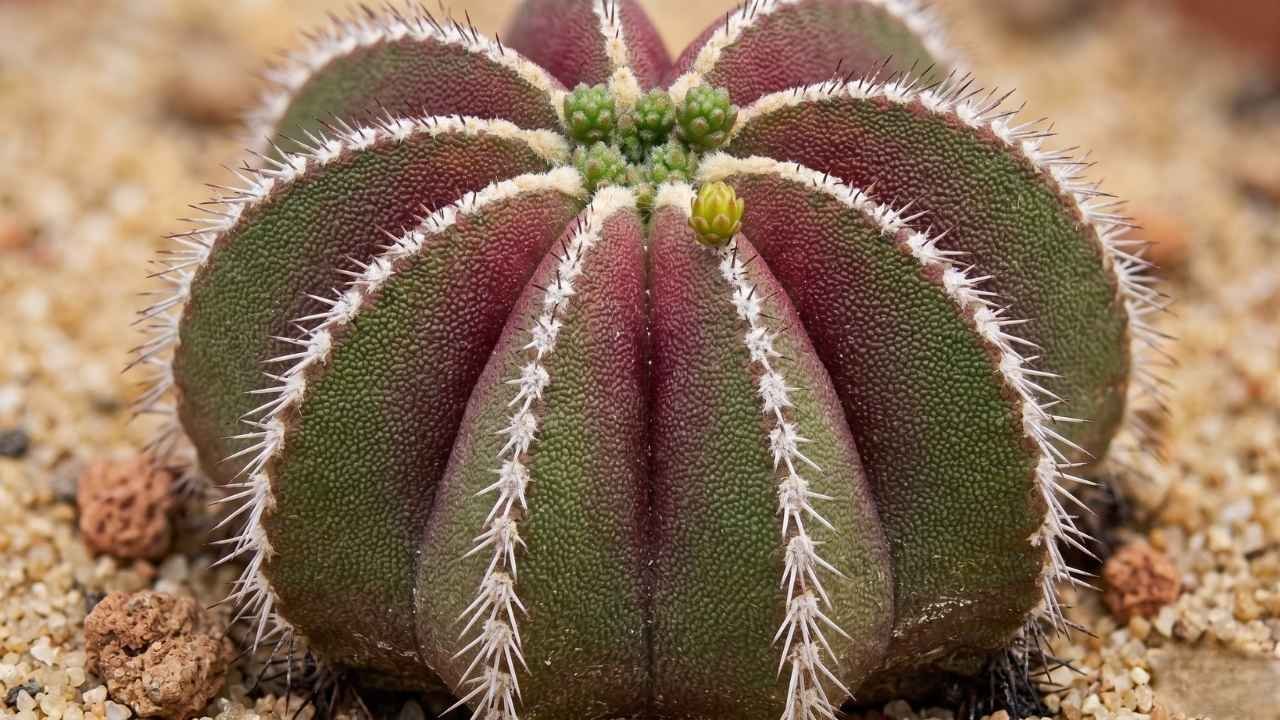
Uebelmannia Care Guide: Uebelmannia is one of the most fascinating and unique cactus genera prized by collectors around the world. Native to Brazil, these rare succulents are admired for their striking appearance, unusual textures, and attractive coloration. Unlike many common cacti, Uebelmannia species often feature ribbed bodies covered with tiny scales that give them a sophisticated and exotic look.
Although they are considered somewhat challenging to grow, providing the right care can help these beautiful plants thrive for many years. Understanding their natural habitat and specific requirements is the key to successful cultivation. This guide covers everything you need to know about growing healthy Uebelmannia succulents.
Understanding Uebelmannia Plants
Uebelmannia cacti originate from rocky regions of southeastern Brazil where they grow in mineral rich soils under warm temperatures and bright sunlight. The genus contains only a few recognized species, including Uebelmannia pectinifera, Uebelmannia gummifera, and Uebelmannia buiningii.
These plants are known for their slow growth and distinctive appearance. Depending on the species, their stems may display shades of green, purple, gray, or reddish brown. Mature specimens can develop impressive shapes and may eventually produce small yellow flowers under favorable conditions.
Because they come from a specialized environment, Uebelmannia plants require more attention than many beginner friendly succulents.
Light Requirements
Proper lighting is one of the most important factors in successful Uebelmannia cultivation. These plants prefer bright light and plenty of sunshine throughout the year.
When grown indoors, place them near a south facing or west facing window where they can receive several hours of direct sunlight daily. If natural light is limited, high quality grow lights can help maintain healthy growth.
Outdoor plants should receive bright sunlight but may benefit from slight protection during extremely hot summer afternoons. Sudden exposure to intense sun can cause sunburn, especially if the plant has been growing in lower light conditions.
A healthy Uebelmannia exposed to adequate light will maintain compact growth and vibrant coloration.
Ideal Temperature and Climate
Uebelmannia thrives in warm conditions and does not tolerate frost. Temperatures between 70°F and 90°F are ideal during the active growing season.
During winter, cooler temperatures can be beneficial as long as they remain above 50°F. Extended exposure to cold weather may cause damage or even kill the plant.
These succulents appreciate stable temperatures and generally dislike sudden fluctuations. If you live in a region with cold winters, growing them in containers allows easy relocation indoors when temperatures drop.
Maintaining warmth throughout the year is essential for long term success.
Soil and Potting Mix
One of the most critical aspects of Uebelmannia care is providing exceptionally well draining soil. In their natural habitat, these plants grow in rocky and mineral rich substrates that prevent water from lingering around the roots.
A suitable potting mix should contain a high percentage of inorganic materials such as pumice, lava rock, coarse sand, or crushed granite. A smaller portion of cactus soil or organic matter can be added to provide nutrients.
Avoid heavy soils that retain moisture for long periods. Excessive water retention increases the risk of root rot, which is one of the most common causes of plant loss.
Containers should always have drainage holes to allow excess water to escape.
Watering Guidelines
Watering Uebelmannia correctly requires a careful balance. These plants need moisture during active growth but should never remain constantly wet.
During spring and summer, water thoroughly when the soil has dried out completely. Allow water to flow through the drainage holes and then wait until the soil becomes dry again before watering.
In autumn, gradually reduce watering frequency as growth slows. During winter, provide very little water, especially if temperatures are cooler.
Overwatering is far more dangerous than underwatering. Signs of excessive moisture include soft tissue, discoloration, and root problems. Healthy roots require oxygen as well as water, making proper drainage essential.
Humidity Considerations
Unlike some tropical plants, Uebelmannia prefers relatively low humidity levels. Good air circulation helps keep the plant healthy and reduces the risk of fungal issues.
Indoor growers should avoid placing these succulents in overly humid environments such as poorly ventilated bathrooms. If humidity levels become excessively high, ensure adequate airflow around the plant.
In most homes, normal indoor humidity is sufficient for successful growth.
Fertilizing for Healthy Growth
Although Uebelmannia is not a heavy feeder, occasional fertilization can encourage stronger growth and improved overall health.
During the growing season, apply a diluted cactus fertilizer once every four to six weeks. Choose a balanced formula specifically designed for succulents and cacti.
Avoid excessive fertilization because too many nutrients can lead to weak growth and reduce the plant’s natural appearance. Feeding should stop during the dormant winter period when the plant is not actively growing.
Moderate fertilization combined with proper light and watering will support steady development.
Repotting Tips
Since Uebelmannia grows slowly, frequent repotting is unnecessary. Most plants only need repotting every two to three years or when they outgrow their containers.
The best time to repot is during spring when active growth begins. Carefully remove the plant from its current pot and inspect the roots for signs of damage or disease.
Use fresh, well draining soil and avoid watering immediately after repotting. Waiting several days allows any damaged roots to heal before moisture is introduced.
Repotting provides an opportunity to refresh the growing medium and promote healthy root development.
Propagation Methods
Propagation of Uebelmannia can be challenging compared to many other succulent species. Most plants are propagated from seeds, which require patience and careful environmental control.
Fresh seeds typically germinate best in warm temperatures with consistent moisture and bright indirect light. Germination may take several weeks depending on conditions.
Some growers use grafting techniques to accelerate growth and improve survival rates. Grafted specimens often establish more quickly than plants growing on their own roots.
Regardless of the method, propagation requires patience because Uebelmannia develops slowly.
Common Problems and Solutions
Several issues can affect Uebelmannia if growing conditions are not ideal.
Root rot is the most serious problem and usually results from excessive watering or poorly draining soil. Preventing this issue is far easier than treating it.
Pests such as mealybugs and spider mites may occasionally appear. Regular inspections help identify infestations before they become severe. Insecticidal soap or appropriate treatments can be used when necessary.
Discoloration, stretching, or weak growth often indicates insufficient light. Adjusting the plant’s location can usually correct these problems.
Consistent care and regular observation are the best ways to prevent major issues.
Conclusion
Uebelmannia is a remarkable cactus that rewards dedicated growers with extraordinary beauty and character. While it requires more attention than many common succulents, success is achievable when its natural growing conditions are closely replicated.
Providing bright light, warm temperatures, excellent drainage, careful watering, and moderate feeding will help these unique plants flourish. With patience and proper care, a healthy Uebelmannia can become a stunning centerpiece in any cactus or succulent collection for many years to come.
