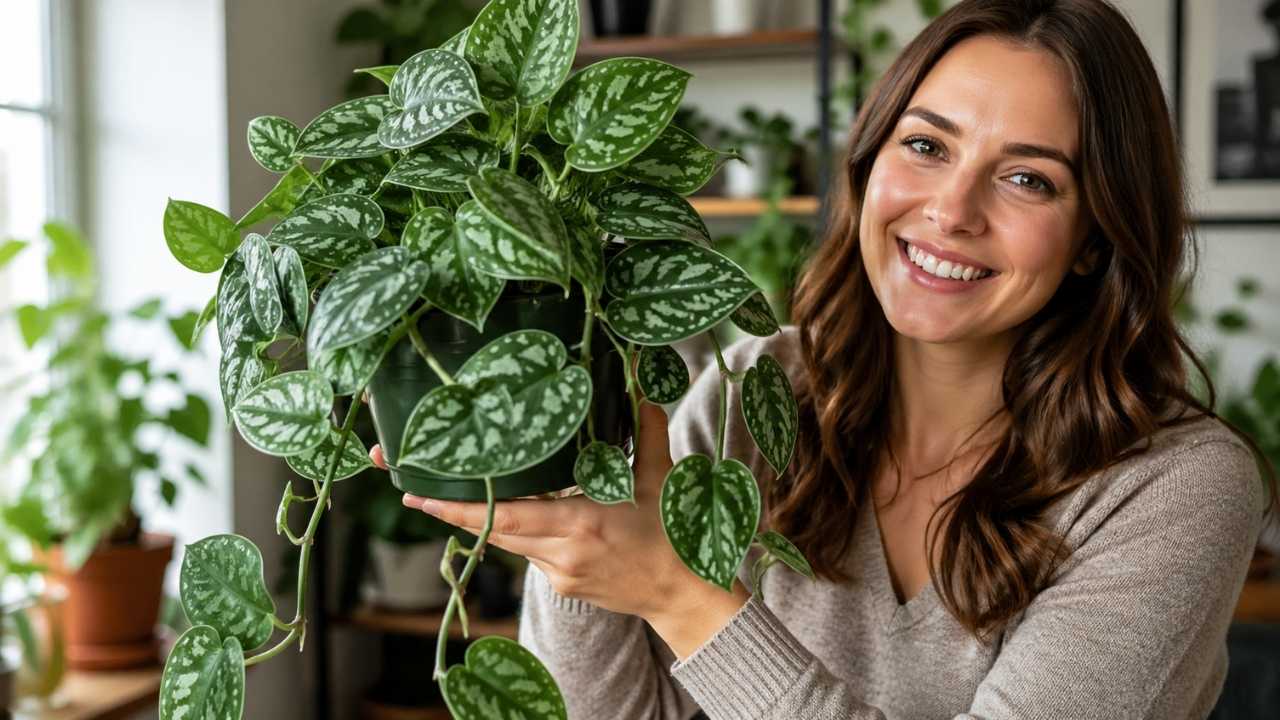
Scindapsus Plant Care: Scindapsus plants are among the most loved indoor vines, known for their stunning foliage and low-maintenance nature. Often mistaken for pothos, these plants bring a tropical vibe into homes with their heart-shaped leaves and silvery patterns. Whether you are a beginner or someone with a growing indoor garden, Scindapsus is a perfect addition that thrives with minimal effort.
Native to Southeast Asia, these plants naturally grow in warm, humid environments, climbing trees and spreading across forest floors. When grown indoors, they adapt beautifully to pots, hanging baskets, or vertical supports, making them a versatile choice for any space.

Popular Types of Scindapsus
There are several varieties of Scindapsus, each with unique leaf textures and patterns. The most popular one is Scindapsus pictus, often called Satin Pothos due to its soft, velvety leaves with silver splashes. Other varieties like Exotica and Argyraeus differ mainly in the size of their leaves and the intensity of their markings.
Choosing a variety depends on your aesthetic preference, but all types share similar care requirements, which makes it easy to expand your collection without learning new routines.

Ideal Light Conditions
Scindapsus plants prefer bright, indirect light. Placing them near a window with filtered sunlight is ideal. Direct sunlight can scorch their delicate leaves, causing brown patches, while too little light may slow growth and reduce the vibrancy of their patterns.
They can tolerate low light conditions, which is why they are often recommended for offices and shaded rooms. However, for fuller growth and healthier vines, moderate light is always better.

Watering Needs
One of the most common mistakes people make is overwatering. Scindapsus plants prefer their soil to dry out slightly between watering sessions. A good rule is to water when the top one to two inches of soil feels dry.
Overwatering can lead to root rot, which is one of the few serious problems these plants face. On the other hand, underwatering may cause leaves to curl or become limp. Finding a balance is key, and it often depends on your indoor climate.

Soil and Potting Mix
A well-draining potting mix is essential for healthy growth. A combination of regular potting soil, perlite, and a bit of coco peat works well. This ensures that excess water drains quickly while still retaining enough moisture for the roots.
Using pots with drainage holes is highly recommended. Without proper drainage, water can accumulate at the bottom, increasing the risk of root damage.

Temperature and Humidity
Scindapsus thrives in temperatures between 18 to 30 degrees Celsius, making it perfect for indoor environments. It does not tolerate cold temperatures well, so avoid placing it near air conditioners or cold drafts.
Humidity plays an important role in keeping the leaves lush and healthy. While the plant can adapt to normal indoor humidity, it benefits from occasional misting or being placed near a humidifier. In dry climates, you may notice leaf edges turning brown, which is a sign that humidity needs to be increased.

Fertilizing Tips
Feeding your Scindapsus plant once a month during the growing season can boost its growth and overall health. A balanced liquid fertilizer diluted to half strength works best.
During the winter months, when growth slows down, fertilizing is not necessary. Over-fertilizing can lead to salt buildup in the soil, which may harm the plant rather than help it.

Pruning and Maintenance
Regular pruning helps maintain the shape of your plant and encourages bushier growth. If the vines become too long or leggy, trimming them back will promote new shoots.
Cleaning the leaves occasionally with a damp cloth is also beneficial. Dust can accumulate on the surface, blocking light and reducing the plant’s ability to photosynthesize effectively.

Propagation Made Simple
Scindapsus is very easy to propagate, making it a favorite among plant lovers. The most common method is stem cutting. Simply cut a vine below a node, place it in water, and wait for roots to develop.
Once the roots are a few inches long, the cutting can be transferred into soil. This process not only helps you grow new plants but also allows you to share them with friends and family.
Common Problems and Solutions
Although Scindapsus is generally hardy, it can face a few issues. Yellowing leaves often indicate overwatering, while brown edges may suggest low humidity or inconsistent watering.
Pests like spider mites and mealybugs can occasionally appear, especially in dry conditions. Wiping leaves and using mild insecticidal soap can help keep these pests under control.
Keeping a consistent care routine usually prevents most problems before they become serious.
Styling Ideas for Indoor Spaces
Scindapsus plants are incredibly versatile when it comes to decoration. They look beautiful in hanging baskets, where their vines can cascade down elegantly. You can also train them to climb a moss pole or trellis for a more structured appearance.
Placing them on shelves or letting them trail from high surfaces adds depth and greenery to your space. Their subtle shimmer and soft texture make them a stylish choice for modern interiors.
Benefits of Growing Scindapsus
Beyond their beauty, Scindapsus plants offer several benefits. They help improve indoor air quality and create a calming atmosphere. Caring for plants has also been linked to reduced stress and improved mental well-being.
Their easy-care nature makes them accessible to everyone, even those who do not have much time or experience with plants.
Final Thoughts
Scindapsus is a perfect example of a plant that combines beauty with simplicity. With the right balance of light, water, and occasional care, it can thrive for years and become a centerpiece in your indoor garden.
Whether you are decorating your home or starting your plant journey, this elegant vine is a reliable and rewarding choice. Once you understand its basic needs, you will find that it grows effortlessly, bringing life and freshness into your space.