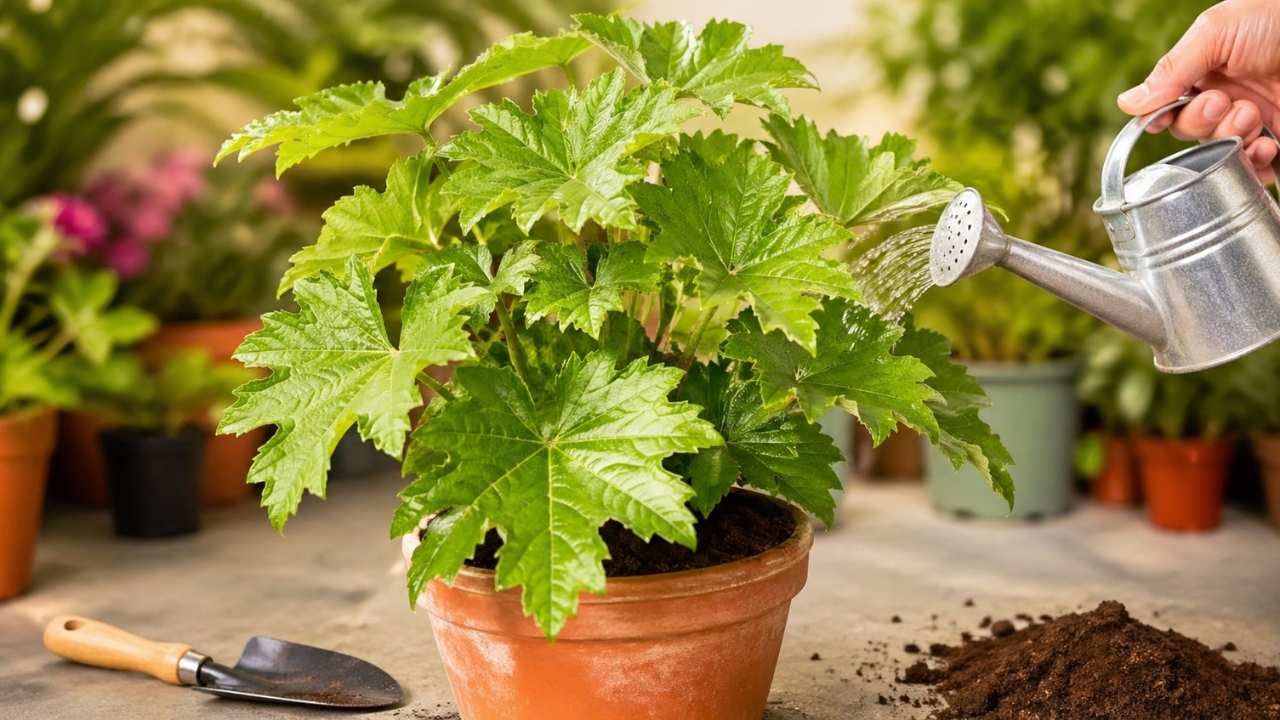
Gearum Plant Care Guide: Gearum is a relatively lesser known tropical plant that has started gaining attention among indoor gardeners for its lush foliage and adaptable nature. While it may not yet be as widely recognized as other ornamental plants, those who grow it often appreciate its steady growth and visually appealing leaves. Its natural resilience and ability to adjust to indoor environments make it a great choice for both beginners and experienced plant lovers.
Originating from warm and humid regions, Gearum thrives best when its surroundings resemble a tropical climate. With the right balance of light, water, and care, this plant can grow vigorously and become a standout feature in any indoor or shaded garden space.

Understanding Its Natural Growth Environment
To care for Gearum effectively, it helps to understand the kind of environment it naturally prefers. In the wild, it grows in areas where sunlight is filtered through taller plants and trees. The air is moist, the soil is rich yet well draining, and temperatures remain consistently warm.
This natural setting gives clues about how to recreate ideal conditions at home. Gearum does not like harsh direct sunlight, nor does it do well in dry or cold environments. Instead, it thrives when conditions are stable and moderately humid.

Its growth pattern is usually steady, producing new leaves gradually. With proper care, the plant can maintain a healthy, full appearance without becoming overly demanding.
Light Requirements for Optimal Growth
Lighting plays a major role in how well Gearum grows. The plant prefers bright, indirect light that mimics the filtered sunlight of its natural habitat. Too much direct sunlight can damage the leaves, causing discoloration or burn marks. On the other hand, insufficient light can slow down growth and lead to weaker stems.

A spot near a window with soft, diffused light works well. East facing windows are often ideal, as they provide gentle morning light without intense afternoon heat. If natural light is limited, using a grow light can help maintain consistent conditions.
Observing the plant regularly will help you fine tune its placement. Healthy leaves and steady growth are good indicators that the light level is suitable.

Watering Techniques That Actually Work
Watering is one of the most important aspects of Gearum care, and getting it right can make a noticeable difference in the plant’s health. The goal is to keep the soil evenly moist without allowing it to become waterlogged.
Before watering, check the top layer of soil. If it feels dry to the touch, it is time to water. When you do water, do so thoroughly until excess water drains out from the bottom of the pot. This ensures that the roots receive adequate moisture.
Overwatering is a common mistake and can lead to root problems. Always make sure the pot has proper drainage and avoid letting the plant sit in standing water. During cooler months, reduce watering slightly as the plant’s growth slows down.
Choosing the Right Soil Mix
The soil you use for Gearum should strike a balance between moisture retention and drainage. A heavy or compact soil can suffocate the roots and hold too much water, while a soil that is too loose may not retain enough moisture.

A good mix typically includes standard potting soil combined with perlite and a small amount of organic matter such as compost or coco coir. This combination provides the right structure for root development and allows excess water to drain easily.
Repotting is usually needed every one to two years or when the plant becomes root bound. Choosing a pot that is slightly larger than the previous one gives the roots space to grow without overwhelming them.
Temperature and Humidity Essentials
Gearum thrives in warm temperatures and moderate to high humidity. Ideally, it should be kept in an environment where temperatures range between 18 to 28 degrees Celsius. Sudden drops in temperature or exposure to cold drafts can stress the plant and affect its growth.
Humidity plays a significant role in maintaining healthy leaves. If the air is too dry, you may notice the edges of the leaves turning brown. Increasing humidity can be as simple as placing the plant near other plants, using a water tray, or running a humidifier.

Consistency is key when it comes to temperature and humidity. Stable conditions help the plant grow more efficiently and reduce the chances of stress related issues.
Fertilizing for Faster and Healthier Growth
To encourage faster and healthier growth, Gearum benefits from regular feeding during its active growing period. A balanced liquid fertilizer applied once a month is usually sufficient.
It is important to dilute the fertilizer to avoid overfeeding, which can damage the roots. During the plant’s dormant or slower growth phase, typically in cooler months, fertilizing should be reduced or paused.
Proper feeding supports the development of strong stems and vibrant leaves, making the plant look fuller and more attractive.
Propagation Methods Made Easy
Propagating Gearum is a simple and rewarding process that allows you to grow new plants from an existing one. The most common method is through stem cuttings.
Choose a healthy stem with at least one node and a few leaves. Cut just below the node and place the cutting in water or directly into a moist soil mix. If using water, wait until roots develop before transferring it to soil.
Keep the cutting in a warm environment with indirect light and maintain consistent moisture. Within a few weeks, roots should begin to form, and the new plant will start to establish itself.
This method not only helps expand your plant collection but also keeps the parent plant well maintained.
Common Problems and Practical Solutions
Like any plant, Gearum can face certain issues if its care requirements are not met. Yellowing leaves often indicate overwatering, while drooping leaves may suggest underwatering or sudden environmental changes.
Brown leaf tips are usually a sign of low humidity or inconsistent watering. Adjusting these conditions can quickly improve the plant’s appearance.
Pests such as spider mites or mealybugs may occasionally appear, especially in dry conditions. Regularly checking the leaves and keeping the plant clean can help prevent infestations.
Addressing problems early ensures that the plant continues to grow healthy and strong.
Final Thoughts
Gearum may not be a widely known plant, but it offers a wonderful combination of beauty and ease of care. Its ability to adapt to indoor conditions makes it a great option for anyone looking to add greenery to their space.
By focusing on proper light, balanced watering, suitable soil, and stable environmental conditions, you can help Gearum thrive and grow at a steady pace. With a little attention and consistency, this plant can become a long lasting and rewarding part of your indoor garden.
Taking the time to understand its needs will not only improve its growth but also make your overall plant care experience more enjoyable