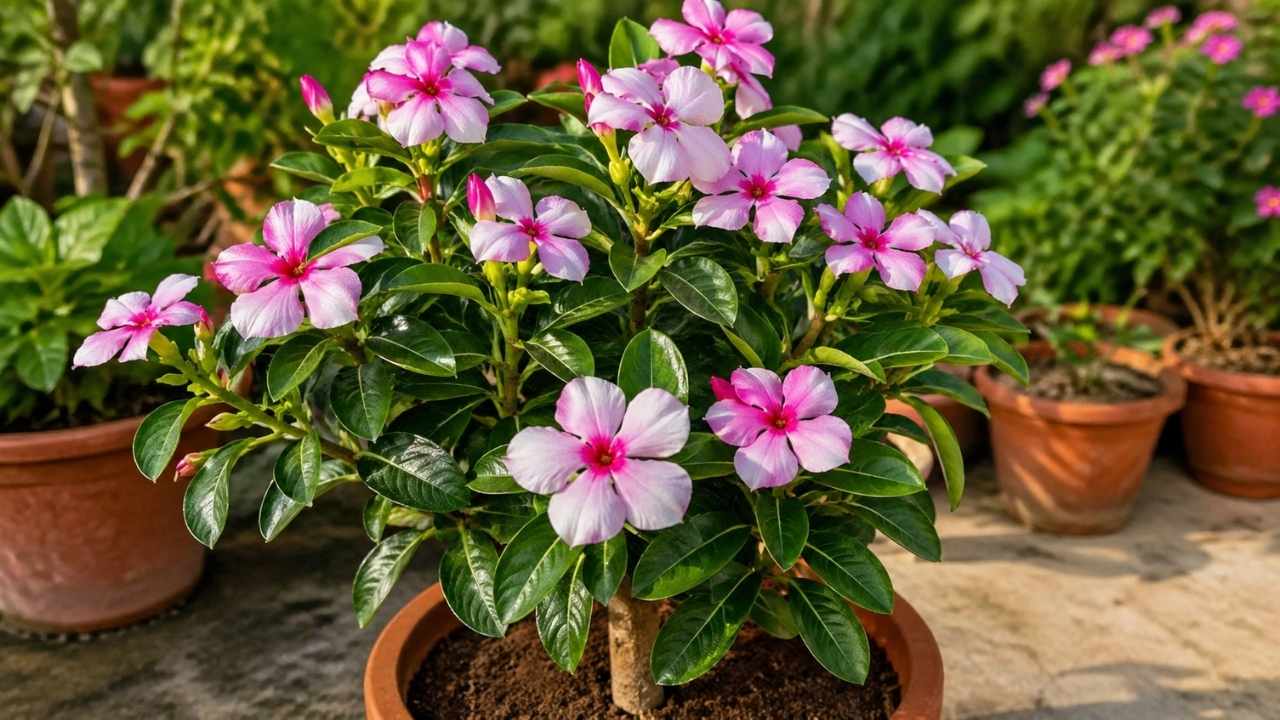
Anadendrum Plant Care Guide: Anadendrum is a tropical genus from the Araceae family that has slowly gained attention among plant collectors for its elegant climbing habit and lush green foliage. Native to Southeast Asia, particularly regions with dense rainforests, these plants naturally grow by attaching themselves to trees and absorbing moisture from the humid air around them.
Unlike many common houseplants, Anadendrum has a semi epiphytic nature, meaning it can grow both in soil and by climbing on supports. This gives it a unique character and makes it an interesting addition to indoor plant collections. With the right care and environment, it can grow beautifully and develop long, trailing or climbing stems.

Natural Habitat and Growth Behavior
Understanding where Anadendrum comes from helps in recreating the ideal conditions for its growth. In its natural habitat, the plant thrives under the forest canopy where it receives filtered sunlight, high humidity, and consistent warmth.
It is a climbing plant that uses aerial roots to attach to nearby surfaces. These roots not only help in anchoring the plant but also absorb moisture and nutrients from the environment. When grown indoors, providing a support like a moss pole or trellis encourages healthy upward growth and larger leaves.

The plant tends to grow steadily during warm months and may slow down when temperatures drop. This natural rhythm should guide your care routine.
Light Requirements for Healthy Development
Anadendrum prefers bright, indirect light. Direct sunlight can be too intense and may cause leaf burn, especially during hot afternoons. On the other hand, very low light conditions can result in slower growth and smaller leaves.

Placing the plant near an east or north facing window is usually ideal. If you are growing it indoors in a space with limited natural light, artificial grow lights can help maintain consistent conditions.
The goal is to mimic the soft, filtered light of a rainforest environment. Watching the plant closely will help you adjust its placement if needed.

Watering and Moisture Balance
Watering Anadendrum requires maintaining a balance between moisture and drainage. The soil should be kept slightly moist but never soggy. Overwatering can lead to root rot, while underwatering can cause the leaves to wilt or dry out.
A good practice is to water the plant when the top inch of soil feels dry. Ensure that excess water drains out completely and does not collect at the bottom of the pot.
Since Anadendrum also absorbs moisture through its aerial roots, maintaining a humid environment is just as important as watering the soil. Occasional misting can help, but it should not replace proper humidity levels.
Soil and Potting Mix
Choosing the right soil mix is essential for the health of Anadendrum. Because of its semi epiphytic nature, it requires a well aerated and fast draining medium.

A mix that includes potting soil, orchid bark, perlite, and a bit of coco coir works well. This combination allows air to reach the roots while retaining enough moisture for growth.
Avoid dense or compact soils that can trap water and reduce airflow. Repotting is usually needed every one to two years or when the plant becomes root bound. When repotting, select a container that offers good drainage and enough space for the roots to expand.
Temperature and Humidity Needs
Anadendrum thrives in warm and humid conditions. Ideal temperatures range between 20 to 30 degrees Celsius. It is sensitive to cold and should be protected from temperatures below 15 degrees Celsius.
Humidity is a key factor in keeping the plant healthy. It prefers high humidity levels, ideally above 60 percent. In dry indoor environments, using a humidifier or placing the plant near other plants can help create a more suitable microclimate.

Consistent conditions are important, as sudden changes in temperature or humidity can stress the plant and affect its growth.
Fertilizing for Better Growth
To support healthy growth, Anadendrum benefits from regular feeding during its active growing season. A balanced liquid fertilizer applied once a month is usually sufficient.
It is best to dilute the fertilizer to half strength to avoid overfeeding, which can damage the roots. During cooler months when growth slows down, reduce or stop fertilizing altogether.
Proper nutrition helps the plant develop stronger stems, healthier leaves, and overall better growth.
Propagation Techniques
Propagation of Anadendrum is relatively simple and is commonly done through stem cuttings. This method allows you to create new plants while also managing the size of the original plant.
To propagate, select a healthy stem with at least one node and a few leaves. Cut just below the node and place the cutting in water or a moist soil mix. If using water, wait until roots develop before transferring it to soil.
Keep the cutting in a warm, humid environment with indirect light. Within a few weeks, new roots should begin to form, and the plant will start establishing itself.
Providing stable conditions during this stage is crucial for successful propagation.
Common Problems and Care Tips
Like many tropical plants, Anadendrum can face a few common issues if its care needs are not met. Yellowing leaves are often a sign of overwatering, while brown edges may indicate low humidity or underwatering.
Pests such as spider mites and mealybugs can occasionally appear, especially in dry conditions. Regular inspection and maintaining good humidity can help prevent infestations.
If the plant stops growing or appears weak, check its light, water, and soil conditions. Small adjustments can often resolve most problems.
Keeping the plant clean and removing damaged leaves also helps maintain its overall health.
Final Thoughts
Anadendrum is a beautiful and unique plant that brings a touch of tropical greenery to any space. While it may seem slightly demanding at first, understanding its natural habitat and basic care needs makes it much easier to grow.
By providing bright indirect light, proper watering, well draining soil, and high humidity, you can create an environment where Anadendrum thrives. With time and care, it will reward you with lush growth and a striking presence in your plant collection.
Whether you are a beginner or an experienced plant enthusiast, growing Anadendrum can be a satisfying and enjoyable experience