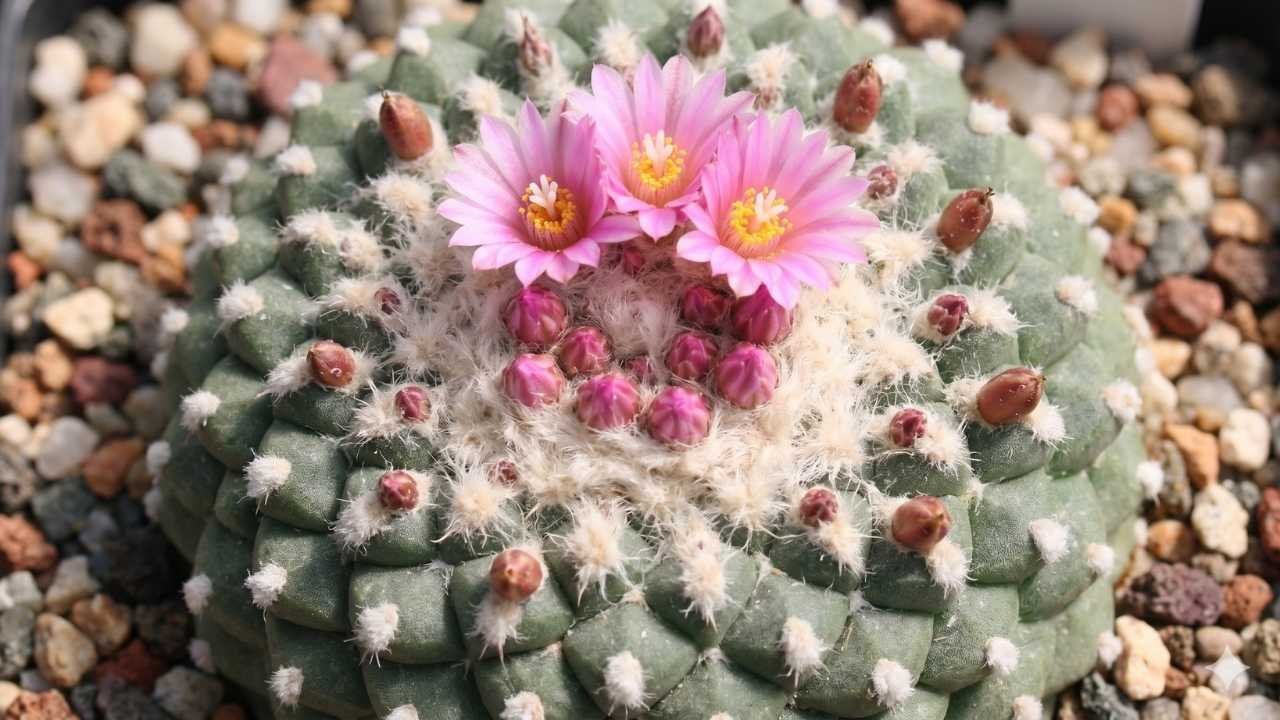
Aztekium Succulent Care Guide: Aztekium is one of the most prized and fascinating cacti in the succulent world. Known for its unique appearance, slow growth rate, and rarity, this miniature cactus has earned a special place among collectors and enthusiasts. Native to a limited region of northeastern Mexico, Aztekium thrives in rocky limestone cliffs where it has adapted to survive under extreme environmental conditions.
Although it is considered a challenging cactus for beginners, successful cultivation is possible when its natural habitat and growing requirements are understood. With patience and proper care, growers can enjoy the beauty of this remarkable cactus for decades. This guide covers everything you need to know about growing, watering, propagating, and maintaining healthy Aztekium plants.
Understanding the Aztekium Cactus
Aztekium belongs to a small genus of highly specialized cacti. Its distinctive ribbed structure and textured surface make it instantly recognizable among collectors. The plant’s appearance is often compared to carved stone because of its deeply furrowed ribs and compact growth habit.
In its native habitat, Aztekium grows on steep limestone cliffs where nutrients are scarce and rainfall is infrequent. These conditions have shaped the plant into an exceptionally slow-growing species that prioritizes survival over rapid development.
Despite its small size, Aztekium produces delicate flowers that emerge from the crown during the growing season. These blooms add significant ornamental value and are often considered a reward for patient growers.
Choosing the Right Location
Light plays a critical role in maintaining healthy Aztekium plants. Unlike some desert cacti that thrive under intense all-day sunlight, Aztekium benefits from bright conditions with some protection from extreme afternoon heat.
Outdoor growers should select a location that provides morning sunlight and filtered light during the hottest part of the day. This approach closely resembles the plant’s natural environment, where surrounding rock formations often provide partial shade.
Indoor cultivation requires placement near a bright window with strong indirect light or several hours of gentle direct sun. South-facing and east-facing windows are often ideal.
Too little light may result in weak growth and poor flowering, while excessive exposure to intense sunlight can lead to stress and discoloration.
Soil Requirements for Long Term Success
One of the most important factors in Aztekium care is soil composition. These cacti require exceptional drainage because their roots are highly sensitive to prolonged moisture.
A mineral-rich cactus mix works best. Many experienced growers prefer a blend containing pumice, crushed limestone, coarse sand, and small gravel particles. Organic materials should be used sparingly because excessive moisture retention can increase the risk of root problems.
The goal is to create a growing medium that closely mimics the rocky conditions found in the plant’s natural habitat. Water should move through the soil quickly without leaving the roots wet for extended periods.
Proper drainage significantly improves the chances of long-term success.
Watering Aztekium Correctly
Watering is often the most challenging aspect of growing Aztekium. Because the plant naturally experiences periods of drought, it is important to avoid excessive moisture.
During spring and summer, water thoroughly only when the growing medium has completely dried out. After watering, allow excess moisture to drain freely from the container.
The frequency of watering depends on environmental conditions such as temperature, humidity, and airflow. In warmer climates, the plant may require more frequent watering than in cooler regions.
As autumn approaches and growth slows, gradually reduce watering. During winter dormancy, water only sparingly or not at all, depending on the growing environment.
Overwatering is the leading cause of failure with Aztekium. Soft tissue, discoloration, and root rot often indicate excessive moisture.
Temperature and Humidity Needs
Aztekium prefers warm temperatures during its active growing period. Moderate daytime warmth combined with cooler nighttime temperatures encourages healthy development.
While the plant can tolerate brief periods of cooler weather, it should be protected from prolonged freezing temperatures. Indoor cultivation is often recommended in regions with severe winters.
Humidity requirements are generally low. Good airflow around the plant helps prevent moisture-related problems and creates conditions similar to its native habitat.
Avoid placing Aztekium in areas where stagnant air and excessive humidity are common.
Fertilizing for Healthy Growth
Because Aztekium naturally grows in nutrient-poor environments, it requires very little fertilizer. Excess feeding can lead to unnatural growth and may reduce the plant’s overall health.
A diluted cactus fertilizer can be applied occasionally during the growing season. Feeding once every four to six weeks is usually sufficient.
Choose a balanced or low-nitrogen formula to encourage healthy root development and compact growth. Avoid fertilizing during winter dormancy when the plant is not actively growing.
Moderate feeding practices support steady development without overwhelming the plant.
Repotting and Container Selection
Aztekium grows extremely slowly, meaning repotting is only necessary every few years. Frequent disturbance of the root system should be avoided whenever possible.
Select a shallow container with excellent drainage. Clay or terracotta pots are often preferred because they help excess moisture evaporate more efficiently.
When repotting, use fresh mineral-based soil and handle the roots carefully. After repotting, allow the plant to rest for several days before watering.
This recovery period helps reduce the risk of root damage and encourages successful establishment in its new container.
Propagation Methods
Propagating Aztekium requires patience and dedication. Most specimens are propagated through seeds, which can take several years to develop into mature plants.
Fresh seeds generally provide the best germination rates. They should be sown on a well-draining substrate and maintained under warm conditions with gentle moisture until germination occurs.
Seedlings grow very slowly and require careful monitoring during their early stages. Consistent environmental conditions significantly improve survival rates.
Some cultivated forms may produce offsets that can be separated and rooted. However, this method is less common than seed propagation.
Due to the plant’s slow growth, successful propagation is often viewed as a rewarding long-term project.
Common Problems and How to Prevent Them
Although Aztekium is remarkably resilient in the right conditions, several issues can arise when care requirements are not met.
Root rot remains the most serious threat and is typically caused by overwatering or poor drainage. Using mineral-rich soil and allowing complete drying between waterings helps prevent this problem.
Mealybugs occasionally attack roots and stem surfaces. Regular inspections allow early treatment before infestations become severe.
Sunburn may occur if the plant is suddenly exposed to intense direct sunlight. Gradual acclimation helps prevent tissue damage.
Most problems can be avoided through proper watering practices, suitable lighting, and adequate airflow.
Encouraging Beautiful Blooms
Flowering is one of the most rewarding aspects of growing Aztekium. Mature plants produce delicate blooms that contrast beautifully with their textured bodies.
To encourage flowering, provide bright light, proper seasonal dormancy, and consistent care throughout the year. Healthy plants that experience a natural growth cycle are more likely to bloom regularly.
Patience is essential because Aztekium develops slowly. However, the appearance of flowers often makes the years of careful cultivation worthwhile.
A stable growing environment and attention to detail are key factors in achieving reliable flowering.
Final Thoughts
Aztekium is a truly remarkable cactus that combines rarity, beauty, and botanical intrigue. Its unusual appearance and slow growth make it one of the most sought-after species among cactus collectors around the world.
Although it demands careful attention to watering, soil composition, and environmental conditions, successful cultivation is highly rewarding. By providing bright light, excellent drainage, minimal feeding, and thoughtful seasonal care, growers can enjoy healthy Aztekium plants for many years.
For those willing to invest time and patience, this extraordinary cactus offers a unique growing experience and serves as a stunning centerpiece in any succulent collection.
