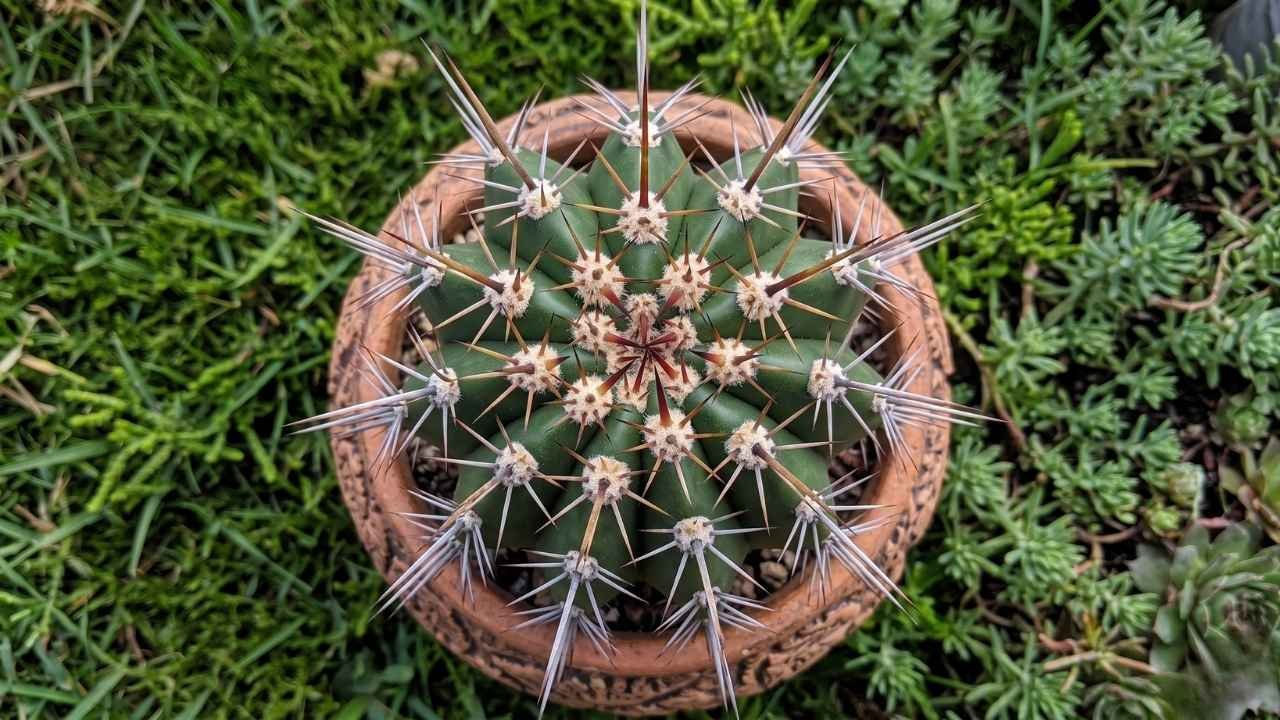
Ariocarpus Cactus Care Guide: Ariocarpus is widely regarded as one of the most extraordinary and sought after cactus genera in the world. Native to the arid regions of Mexico and parts of southern Texas, these fascinating plants are admired for their unique appearance, slow growth, and remarkable resilience. Unlike traditional cacti that feature prominent spines, Ariocarpus species are known for their thick, triangular tubercles that form attractive rosettes close to the ground.
Their unusual shape allows them to blend into rocky landscapes, helping them survive harsh environmental conditions. Although Ariocarpus has a reputation for being challenging to cultivate, success becomes much easier when growers understand the plant’s natural habitat and growing requirements.
This guide explores everything you need to know about caring for Ariocarpus, including soil selection, watering techniques, propagation methods, and long term cultivation strategies.
Understanding Ariocarpus Cacti
Ariocarpus belongs to a small genus of slow growing cacti that have adapted to survive in extremely dry environments. These plants often grow partially buried in the soil, exposing only their textured tubercles above the surface.
Popular species include Ariocarpus fissuratus, Ariocarpus retusus, Ariocarpus trigonus, and Ariocarpus kotschoubeyanus. Each species displays distinct patterns, textures, and growth forms, making them highly desirable among collectors.
One of the most rewarding features of Ariocarpus is its ability to produce beautiful flowers. Mature specimens often bloom during autumn, displaying vibrant pink, purple, white, or yellow blossoms that contrast beautifully with their rugged appearance.
Their slow growth requires patience, but many enthusiasts consider them among the most rewarding cacti to cultivate.
Light Requirements
Proper lighting plays a vital role in maintaining healthy Ariocarpus plants. In their native habitat, these cacti receive abundant sunlight throughout the year.
When grown indoors, place them near a bright south facing window where they can receive several hours of direct sunlight daily. Supplemental grow lights can be beneficial if natural light levels are insufficient.
Outdoor cultivation is often ideal in regions with warm climates. However, intense afternoon sun in extremely hot areas may occasionally require light shade to prevent excessive stress.
Adequate light encourages compact growth, healthy coloration, and consistent flowering. Plants grown in low light conditions may become weak and lose their characteristic shape.
Temperature and Climate Preferences
Ariocarpus thrives in warm temperatures and dry conditions. During the active growing season, temperatures between 70°F and 95°F support healthy growth and root development.
These cacti can tolerate cooler temperatures during winter dormancy, but they should be protected from prolonged freezing conditions. While some mature specimens may survive brief periods of cold, frost damage can occur when temperatures remain below freezing for extended periods.
A dry winter environment is especially important. Cool temperatures combined with excessive moisture can quickly lead to fungal issues and root rot.
Maintaining stable environmental conditions helps reduce stress and promotes long term health.
Soil Requirements
The most critical factor in successful Ariocarpus cultivation is providing an exceptionally well draining soil mix. These plants naturally grow in rocky, mineral rich environments where water drains rapidly.
A suitable growing medium should contain a high percentage of inorganic materials such as pumice, coarse sand, crushed granite, lava rock, or limestone gravel. Only a small amount of organic matter should be included.
Heavy soils that retain moisture for long periods should always be avoided. Excessive moisture around the roots is one of the leading causes of plant loss.
Many experienced growers use predominantly mineral based mixes to replicate the plant’s natural growing conditions as closely as possible.
Watering Techniques
Watering Ariocarpus correctly is often the difference between success and failure. These cacti are highly adapted to drought and require careful moisture management.
During spring and summer, water thoroughly when the soil has dried completely. Allow excess water to drain freely and never leave the container sitting in standing water.
As autumn approaches, gradually reduce watering frequency. During winter dormancy, watering should be minimal or completely suspended depending on environmental conditions.
Because Ariocarpus possesses a large underground root system designed to store water, it can tolerate extended dry periods with ease.
Overwatering is significantly more dangerous than underwatering. Root rot develops quickly when the soil remains consistently wet.
Choosing the Right Container
Container selection is often overlooked but can greatly influence plant health. Ariocarpus develops a substantial taproot that requires adequate depth for proper growth.
Deep pots are generally preferable to shallow containers. Clay or terracotta pots are particularly beneficial because they allow excess moisture to evaporate more quickly than plastic alternatives.
Regardless of the material chosen, drainage holes are essential. Proper drainage reduces the likelihood of root related problems and encourages healthier root development.
Repotting every few years allows growers to refresh the soil and inspect root health.
Fertilizing for Strong Growth
Ariocarpus is not a heavy feeder and generally thrives with minimal fertilization. Excess nutrients can sometimes encourage unnatural growth and reduce the plant’s characteristic appearance.
During the active growing season, a diluted cactus fertilizer may be applied every four to six weeks. A balanced, low nitrogen formula is often the best choice.
Fertilization should be discontinued during winter dormancy when the plant is not actively growing.
Providing moderate nutrition supports healthy development without overwhelming the plant.
Propagation Methods
Propagation of Ariocarpus is most commonly accomplished through seeds. While this method requires patience, it allows growers to experience the complete life cycle of these fascinating plants.
Fresh seeds generally provide the highest germination rates. They should be sown in a sterile, well draining medium and maintained under warm temperatures with moderate moisture.
Seedlings grow slowly and may take several years to reach maturity. However, watching their gradual development can be extremely rewarding.
Some commercial growers use grafting techniques to accelerate growth. Grafted plants often mature more quickly and may flower at a younger age. Despite this advantage, many collectors prefer specimens grown on their own roots because they more closely resemble wild plants.
Common Problems and Solutions
Although Ariocarpus is relatively hardy when grown correctly, several issues can arise if conditions are unsuitable.
Root rot remains the most common problem and is usually caused by excessive moisture. Prevention through proper watering and soil selection is the best strategy.
Mealybugs occasionally attack roots or above ground tissues. Regular inspections help identify infestations before they become severe.
Stretching or abnormal growth often indicates insufficient light. Relocating the plant to a brighter location usually corrects this issue.
Sudden discoloration may result from environmental stress, temperature fluctuations, or improper watering practices.
Early intervention can prevent minor issues from becoming serious problems.
Encouraging Flower Production
One of the greatest rewards of cultivating Ariocarpus is witnessing its spectacular flowers. Mature plants typically bloom during autumn when environmental conditions are favorable.
Consistent lighting, proper seasonal watering, and a cool, dry winter rest period all contribute to successful flowering.
Patience is essential because these cacti often require many years to reach blooming size. Once mature, healthy plants can produce flowers regularly, creating a stunning display that contrasts beautifully with their textured bodies.
Proper care throughout the year significantly increases the likelihood of abundant blooms.
Why Ariocarpus Is So Highly Valued
Ariocarpus occupies a special place among cactus enthusiasts because of its rarity, distinctive appearance, and slow growth. Unlike many ornamental plants that rely on vibrant foliage or large flowers, Ariocarpus captivates collectors through its sculptural form and remarkable adaptation to harsh environments.
Its unusual beauty, combined with the challenge of cultivation, creates a strong sense of accomplishment for successful growers.
Many specimens can live for decades, gradually developing into impressive collector plants that become more valuable and attractive with age.
Conclusion
Ariocarpus is a truly remarkable cactus that rewards patience, attention, and proper care. Although it grows slowly, its unique appearance and beautiful flowers make it one of the most desirable genera for cactus enthusiasts worldwide.
By providing bright light, mineral rich soil, careful watering, adequate drainage, and seasonal rest periods, growers can successfully cultivate healthy Ariocarpus plants for many years. Whether you are a beginner seeking a new challenge or an experienced collector expanding your collection, Ariocarpus offers an unforgettable growing experience and lasting horticultural satisfaction.
