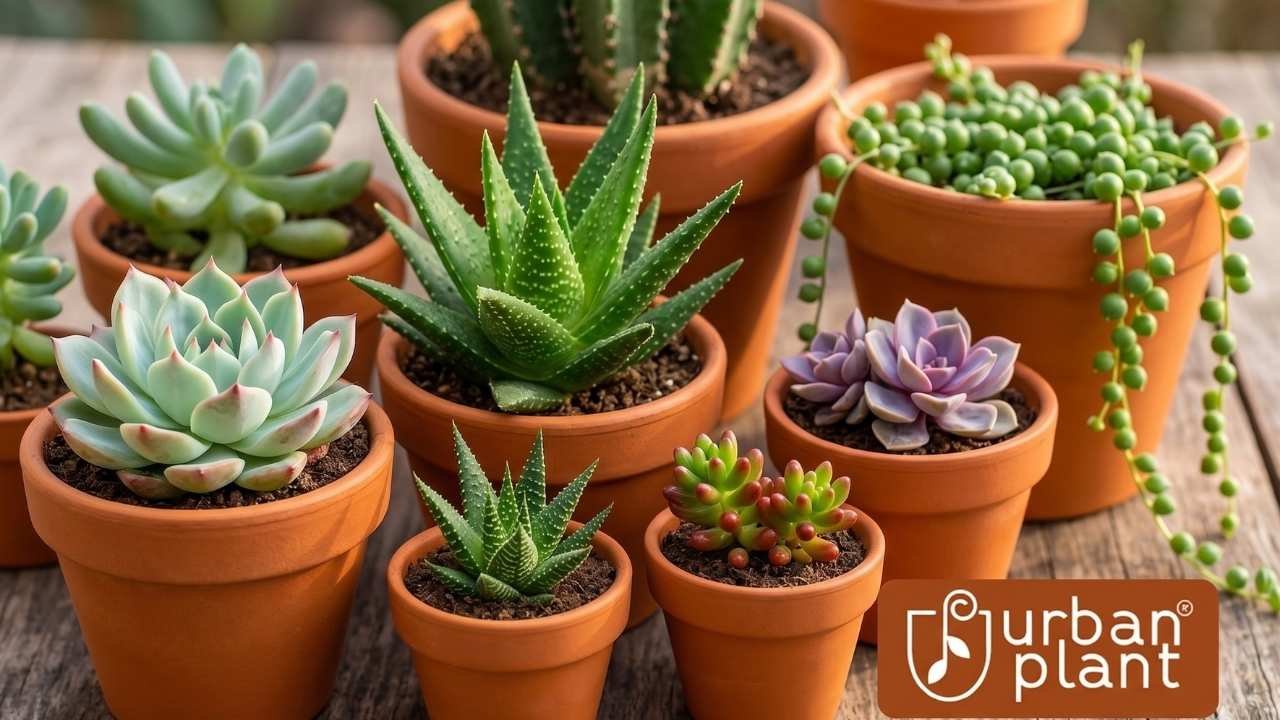
Obregonia Care Guide: Obregonia is one of the most distinctive and sought after succulents in the cactus world. Known for its unusual appearance and slow growing nature, this fascinating plant attracts collectors who appreciate rare and visually striking species. Its geometric form, textured surface, and beautiful flowers make it a prized addition to any succulent collection.
Native to a limited region of northeastern Mexico, Obregonia has adapted to survive in harsh conditions where water is scarce and sunlight is abundant. Despite its reputation as a rare plant, it can thrive in cultivation when provided with the right care. Understanding its natural habitat and growth habits is the key to maintaining a healthy specimen for many years.
This guide covers everything you need to know about growing, propagating, and caring for Obregonia successfully.
Understanding Obregonia
Obregonia is represented by a single species, Obregonia denegrii. It is often recognized by its unique rosette shaped growth pattern that resembles an artichoke. The plant consists of triangular tubercles arranged in a spiral formation, creating a highly ornamental appearance.
Unlike many larger cacti, Obregonia remains relatively compact throughout its life. Mature specimens can develop impressive forms over time, becoming increasingly attractive as they age.
One of the most rewarding features of this succulent is its flowering habit. Healthy plants produce delicate white flowers that emerge from the center of the rosette during the growing season. These blooms add elegance and charm to an already remarkable plant.
Ideal Growing Conditions
Creating the proper environment is essential for long term success with Obregonia. Although it is adaptable, it performs best when conditions closely resemble its native habitat.
Bright light is one of the most important requirements. The plant enjoys abundant sunlight and benefits from several hours of direct morning or late afternoon sun. In extremely hot climates, some protection from intense midday sunlight may help prevent stress.
Indoor growers should place Obregonia near a bright south facing or west facing window where it can receive ample light throughout the day.
Warm temperatures during the active growing season encourage healthy development. The plant prefers temperatures between 20 and 30 degrees Celsius but can tolerate slightly cooler conditions when kept dry.
Good airflow is also important. Proper ventilation helps reduce humidity around the plant and lowers the risk of fungal problems.
Choosing the Best Soil
Like most cacti and succulents, Obregonia requires exceptionally well drained soil. Excess moisture around the roots can quickly lead to rot, which is one of the most common causes of plant loss.
A high quality cactus mix combined with mineral components such as pumice, coarse sand, lava rock, or perlite creates an ideal growing medium. The soil should allow water to pass through rapidly while still providing enough support for the root system.
Avoid heavy soils that retain moisture for extended periods. Rich organic mixes designed for houseplants are generally unsuitable for this species.
Containers with drainage holes are essential. Terracotta pots are often preferred because they help excess moisture evaporate more efficiently than plastic containers.
Watering Obregonia Properly
Watering is often the most challenging aspect of caring for Obregonia. Because this succulent stores water within its tissues, it does not require frequent irrigation.
During spring and summer, water thoroughly only when the soil has completely dried out. Deep watering followed by a dry period closely mimics the plant’s natural environment.
The frequency of watering depends on temperature, humidity, pot size, and soil composition. In warm weather, watering every two to three weeks may be sufficient.
As temperatures begin to cool in autumn, gradually reduce watering. During winter dormancy, keep the plant nearly dry. Excess moisture during this resting period significantly increases the risk of root rot and fungal disease.
When in doubt, it is usually safer to wait a few extra days before watering.
Fertilizing for Healthy Growth
Obregonia is not a heavy feeder, but occasional fertilization can support healthy development and flowering.
Apply a diluted cactus fertilizer once every four to six weeks during the active growing season. A balanced fertilizer with low nitrogen content is generally recommended.
Overfertilization should be avoided. Excess nutrients can lead to unnatural growth, weakened tissues, and reduced resistance to environmental stress.
Stop feeding in late summer to allow the plant to prepare naturally for its winter dormancy.
Propagation Methods
Propagation of Obregonia requires patience, as it grows slowly and does not readily produce offsets like many other succulents.
Seed propagation is the most common and reliable method. Fresh seeds typically provide the best germination rates and stronger seedlings.
Sow seeds on the surface of a well drained seed starting mix and maintain light moisture until germination occurs. Warm temperatures and bright indirect light encourage successful sprouting.
Once seedlings appear, provide good airflow and gradually reduce humidity to prevent fungal issues. Young plants grow slowly, but consistent care will eventually produce healthy specimens.
Because mature Obregonia rarely produces offsets, vegetative propagation is generally not practical for most growers.
Encouraging Flower Production
Flowering is one of the most exciting achievements for Obregonia enthusiasts. While the plant grows slowly, mature specimens can produce beautiful white blooms when provided with proper care.
Consistent sunlight is one of the most important factors influencing flowering. Plants grown in insufficient light often fail to develop flower buds.
A proper winter dormancy period also plays a significant role. Cool, dry conditions during winter help prepare the plant for active growth and flowering in spring.
Avoid excessive watering and fertilization, as both can interfere with bloom production. Mature plants that receive balanced care are much more likely to flower regularly.
Patience is essential because younger plants may take several years before reaching flowering size.
Common Problems and Solutions
Although Obregonia is relatively hardy, certain issues can occur if growing conditions are not ideal.
Root rot is the most serious threat. It usually results from excessive watering or poorly drained soil. Immediate action is necessary if soft or discolored tissue appears.
Mealybugs can occasionally infest the plant, especially around the base and between tubercles. Regular inspections help identify infestations before they become severe.
Shriveled tissue may indicate dehydration, although it can also be a sign of damaged roots. Evaluating the root system often helps determine the true cause.
Discoloration or sunburn can occur if the plant is suddenly exposed to intense sunlight after being grown in shade. Gradual acclimation helps prevent damage.
Seasonal Care Tips
Spring is the beginning of active growth. Increase watering gradually and begin light fertilization as temperatures rise.
Summer is the primary growing season. Ensure bright light, proper ventilation, and careful watering practices.
Autumn is a transitional period. Gradually reduce watering and discontinue fertilization to prepare the plant for dormancy.
Winter should be cool and dry. Maintaining a resting period helps preserve plant health and supports future flowering.
Following seasonal changes allows Obregonia to grow in a way that closely resembles its natural life cycle.
Why Obregonia Is a Favorite Among Collectors
Obregonia has earned a special place among succulent and cactus enthusiasts because of its extraordinary appearance and rarity. Its symmetrical structure creates a sculptural quality that stands out in any collection.
The combination of slow growth, unique form, and elegant flowers makes every mature specimen feel like a living work of art. Collectors often value the plant not only for its beauty but also for the patience and dedication required to grow it successfully.
With proper care, an Obregonia can become a treasured centerpiece that continues to improve with age.
Conclusion
Obregonia is a remarkable succulent that rewards careful growers with exceptional beauty and long lasting appeal. Although it requires patience and attention to detail, its care needs are straightforward once its natural preferences are understood.
Providing bright light, fast draining soil, controlled watering, and a proper winter dormancy period will help ensure healthy growth and successful flowering. Whether you are an experienced collector or a passionate succulent enthusiast, Obregonia offers a unique growing experience that few other plants can match.
With consistent care and a little patience, this extraordinary succulent can thrive for decades and become one of the most admired plants in your collection.
