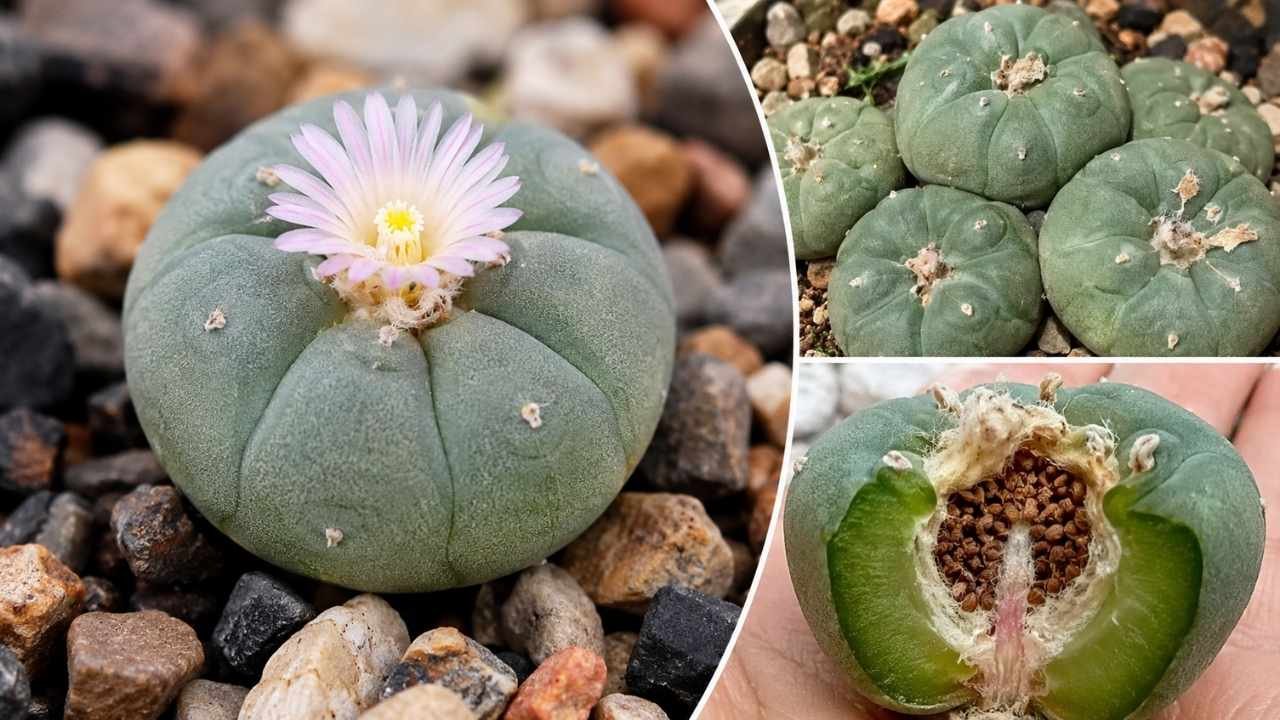
Lophophora Cactus Guide: The world of cacti is filled with fascinating species, but few are as intriguing as the Lophophora cactus. Known for its unique appearance, slow growth, and rich cultural history, Lophophora has captured the attention of plant collectors, botanists, and succulent enthusiasts around the globe. Unlike many cacti that develop long spines and dramatic shapes, Lophophora species are small, rounded, and almost spineless, giving them a distinctive and recognizable look.
Native to arid regions of North America, particularly parts of northern Mexico and the southern United States, these cacti have adapted to survive in harsh desert environments where water is scarce and temperatures can fluctuate dramatically. Their resilience and unusual beauty make them highly sought after among collectors.
This guide explores everything you need to know about Lophophora cacti, including their characteristics, identification methods, cultivation requirements, care practices, propagation techniques, common problems, and historical significance. Whether you are a beginner or an experienced cactus grower, understanding the needs of these remarkable plants will help you appreciate them even more.
Understanding the Lophophora Genus
Lophophora belongs to the cactus family and consists of a small number of species that naturally grow in rocky desert habitats. These cacti are well adapted to extreme conditions and can survive long periods without rainfall.
One of the most notable characteristics of the genus is its lack of prominent spines. Instead of sharp protective structures, most Lophophora species develop soft tufts of wool emerging from specialized growth points known as areoles. This gives the plants a smooth and distinctive appearance that differs greatly from many other desert cacti.
The body of a mature plant is generally globe shaped or slightly flattened. Colors may range from blue green to gray green depending on age, growing conditions, and species. Over time, plants can form clusters consisting of multiple heads emerging from a shared root system.
Another defining feature is the large taproot beneath the soil. This thick root stores water and nutrients, allowing the cactus to endure drought conditions for extended periods.
Natural Habitat and Distribution
Lophophora cacti naturally occur in dry regions characterized by limestone soils, sparse vegetation, and intense sunlight. They often grow partially hidden among rocks and shrubs, which provide protection from excessive heat and grazing animals.
The natural environment experiences long dry periods interrupted by occasional rainfall. As a result, these plants have evolved highly efficient water storage capabilities and slow growth rates.
Their habitat is often harsh, with daytime temperatures reaching extreme highs during summer and cooler conditions during winter. The ability to adapt to such environments contributes to the durability and longevity of these cacti when grown properly.
Many specimens in the wild can live for decades and continue growing slowly throughout their lives.
Physical Characteristics
Lophophora cacti possess several distinctive physical traits that make identification easier.
The body is usually rounded and divided into ribs that form a symmetrical pattern. Unlike many cacti with pronounced ridges, these ribs often appear as soft segments or gentle folds.
The surface texture is smooth and slightly waxy. Depending on species and environmental conditions, coloration may vary from green to bluish gray.
Small woolly areoles are distributed across the ribs. These woolly patches often become more noticeable as the plant ages.
Flowers emerge from the crown and are typically pink, white, or pale yellow. Although relatively small, they are attractive and provide one of the easiest ways to identify healthy mature specimens.
After flowering, fruits develop and eventually produce seeds that can be used for propagation.
Identifying Lophophora Species
Correct identification can be challenging because different species often share similar characteristics. However, careful observation can help distinguish them.
Growth form is one of the first indicators. Some species tend to remain solitary for long periods, while others readily form clusters.
Flower color and size can provide valuable clues. The shape and arrangement of ribs may also differ slightly between species.
The texture and amount of wool present on the crown are additional identification features. Mature plants often reveal clearer characteristics than young seedlings, making accurate identification easier with age.
Collectors frequently rely on a combination of traits rather than a single characteristic when determining species.
Why Lophophora Is Popular Among Collectors
Several factors contribute to the popularity of Lophophora among cactus enthusiasts.
Their unusual appearance sets them apart from more common cactus varieties. The smooth body and symmetrical shape create an elegant and minimalist aesthetic.
Their slow growth encourages patience and long term commitment, making them particularly rewarding for dedicated growers.
Many collectors also appreciate their historical and cultural significance. The genus has played a role in indigenous traditions for centuries and continues to be studied by botanists and researchers.
Because mature specimens can take years to develop, healthy well grown plants are often highly valued within specialist collections.
Choosing the Right Growing Environment
Creating the proper environment is one of the most important aspects of successful cultivation.
Lophophora thrives in bright conditions with plenty of indirect sunlight. While mature plants can tolerate significant sun exposure, sudden exposure to intense sunlight may cause stress or discoloration.
Good air circulation is essential. Stagnant air can increase the likelihood of fungal problems and pest infestations.
Temperature management is equally important. These cacti generally prefer warm conditions during active growth and cooler temperatures during dormancy.
Replicating natural desert conditions as closely as possible will promote healthy development and reduce the risk of disease.
Soil Requirements
Proper soil selection plays a major role in the health of Lophophora cacti.
The growing medium must provide excellent drainage. Excess moisture around the roots can quickly lead to rot, one of the most common causes of plant loss.
Many growers use mineral rich cactus mixes containing materials such as pumice, coarse sand, gravel, or crushed stone. These ingredients improve drainage and help prevent water retention.
Organic components can be included in small amounts to provide nutrients, but the mixture should remain predominantly mineral based.
A well draining substrate allows roots to receive adequate oxygen while reducing moisture related issues.
Pot Selection
Choosing the correct pot can significantly influence growth and root health.
Containers should have drainage holes that allow excess water to escape freely. Without proper drainage, water may accumulate and damage the root system.
Because Lophophora develops a substantial taproot, deeper pots are often preferable to shallow containers.
Clay pots are popular among growers because they promote faster moisture evaporation. Plastic containers can also be used successfully if watering is carefully controlled.
The selected pot should accommodate root development without being excessively large.
Watering Guidelines
Watering is often the most challenging aspect of Lophophora care.
During active growth, the soil should be thoroughly soaked and then allowed to dry completely before watering again. This approach mimics natural rainfall patterns and encourages healthy root development.
Overwatering is far more dangerous than underwatering. Excess moisture can cause root rot, fungal infections, and plant decline.
During winter dormancy, watering should be greatly reduced or stopped entirely depending on temperature conditions.
Observing the plant and soil moisture levels is more reliable than following a strict schedule.
Light Requirements
Light is essential for maintaining compact growth and healthy coloration.
Lophophora generally performs best with bright indirect light or filtered sunlight. Morning sun is often beneficial, while protection from intense afternoon heat may prevent stress.
Insufficient light can lead to elongated growth and reduced flowering. Excessive sunlight, particularly during heat waves, may cause sunburn or discoloration.
Gradual acclimation is recommended whenever plants are moved to brighter conditions.
Providing balanced light exposure helps maintain the plant’s natural shape and appearance.
Temperature and Humidity
These cacti are adapted to warm climates and generally prefer temperatures between 20 and 35 degrees Celsius during active growth.
Cooler conditions are beneficial during winter dormancy. Many growers maintain lower temperatures to encourage natural seasonal cycles.
Humidity should remain relatively low. Excessively humid environments may increase the risk of fungal diseases and rot.
Good ventilation combined with moderate temperatures creates ideal growing conditions throughout the year.
Fertilization Practices
Although Lophophora cacti are not heavy feeders, occasional fertilization can support healthy growth.
A balanced cactus fertilizer applied at reduced strength during the growing season is often sufficient.
Overfertilization should be avoided because it may produce unnatural growth patterns and weaken the plant.
Nutrient requirements are generally modest due to the slow growth rate of these cacti.
A careful and conservative approach usually yields the best results.
Propagation From Seeds
Growing Lophophora from seed is one of the most rewarding experiences for cactus enthusiasts.
Fresh seeds often provide better germination rates than older stock. Seeds are typically sown on the surface of a sterile growing medium and lightly pressed into place.
Warm temperatures and consistent moisture support successful germination.
Seedlings emerge gradually and require patience because growth is extremely slow during the early stages.
Despite the lengthy process, seed propagation allows growers to observe every phase of development from the beginning.
Propagation Through Offsets
Some mature plants produce offsets that can be separated and rooted independently.
This method is generally faster than seed propagation because the offset already possesses established tissues.
Care must be taken when removing offsets to avoid damaging the parent plant.
After separation, the cut surface should be allowed to dry before planting. This reduces the risk of infection and rot.
Once rooted, offsets can be treated similarly to mature specimens.
Common Pests
Several pests may occasionally affect Lophophora cacti.
Mealybugs are among the most common problems. These insects often hide in woolly areas and feed on plant sap.
Spider mites may appear in hot, dry environments and can cause discoloration or weakened growth.
Scale insects can also become problematic if left untreated.
Regular inspection helps identify infestations before they become severe. Early intervention usually prevents significant damage.
Common Diseases
Most diseases affecting Lophophora are related to excess moisture.
Root rot remains the greatest threat and often results from poor drainage or overwatering.
Fungal infections may develop under humid conditions with inadequate airflow.
Symptoms can include discoloration, soft tissue, unpleasant odors, and structural collapse.
Preventive care is far more effective than attempting to treat advanced infections.
Seasonal Care Tips
Lophophora experiences distinct seasonal growth patterns.
Spring marks the beginning of active growth and increased watering.
Summer is generally the most productive period, although protection from extreme heat may be necessary.
Autumn involves a gradual reduction in watering as growth slows.
Winter is typically a dormant period requiring minimal moisture and cooler temperatures.
Adjusting care according to seasonal changes promotes long term health and flowering.
Flowering and Seed Production
Flowering is one of the most rewarding aspects of cultivating Lophophora.
Healthy mature plants may produce flowers repeatedly during the growing season.
Successful pollination can result in fruit formation and seed development.
The seeds provide opportunities for propagation and conservation efforts.
Consistent care, adequate light, and proper seasonal cycles often encourage regular flowering.
Conservation Considerations
Many wild populations of Lophophora face challenges including habitat loss, illegal collection, and environmental changes.
Responsible cultivation can help reduce pressure on natural populations.
Collectors should prioritize legally obtained and ethically propagated plants whenever possible.
Supporting conservation efforts contributes to the long term survival of these unique cacti in their native habitats.
Awareness and education remain important tools in protecting vulnerable species.
Historical and Cultural Significance
Lophophora has a long history within certain indigenous cultures of North America. For centuries, it has been associated with spiritual traditions, ceremonial practices, and cultural heritage.
Its significance extends beyond horticulture and reflects deep connections between people and the natural environment.
Researchers continue to study the historical, botanical, and cultural importance of these plants.
Understanding this broader context enhances appreciation for the genus and its place within human history.
Legal Considerations
The legal status of Lophophora varies significantly between countries and regions.
Some jurisdictions permit cultivation and ownership, while others impose strict restrictions or prohibitions.
Anyone interested in obtaining or growing these cacti should carefully research applicable local laws and regulations.
Compliance with legal requirements is essential for responsible cultivation.
Conclusion
Lophophora cacti represent a fascinating combination of beauty, resilience, history, and botanical uniqueness. Their smooth appearance, slow growth, and remarkable adaptations make them stand out among desert plants. While they require patience and careful attention, the rewards of successful cultivation are considerable.
By providing well draining soil, appropriate lighting, cautious watering, and seasonal care, growers can enjoy healthy specimens for many years. Understanding identification characteristics, propagation methods, and conservation concerns further enhances the experience of cultivating these extraordinary cacti.
Whether admired for their aesthetic appeal, botanical interest, or historical significance, Lophophora cacti continue to captivate plant enthusiasts around the world and remain among the most intriguing members of the cactus family.
