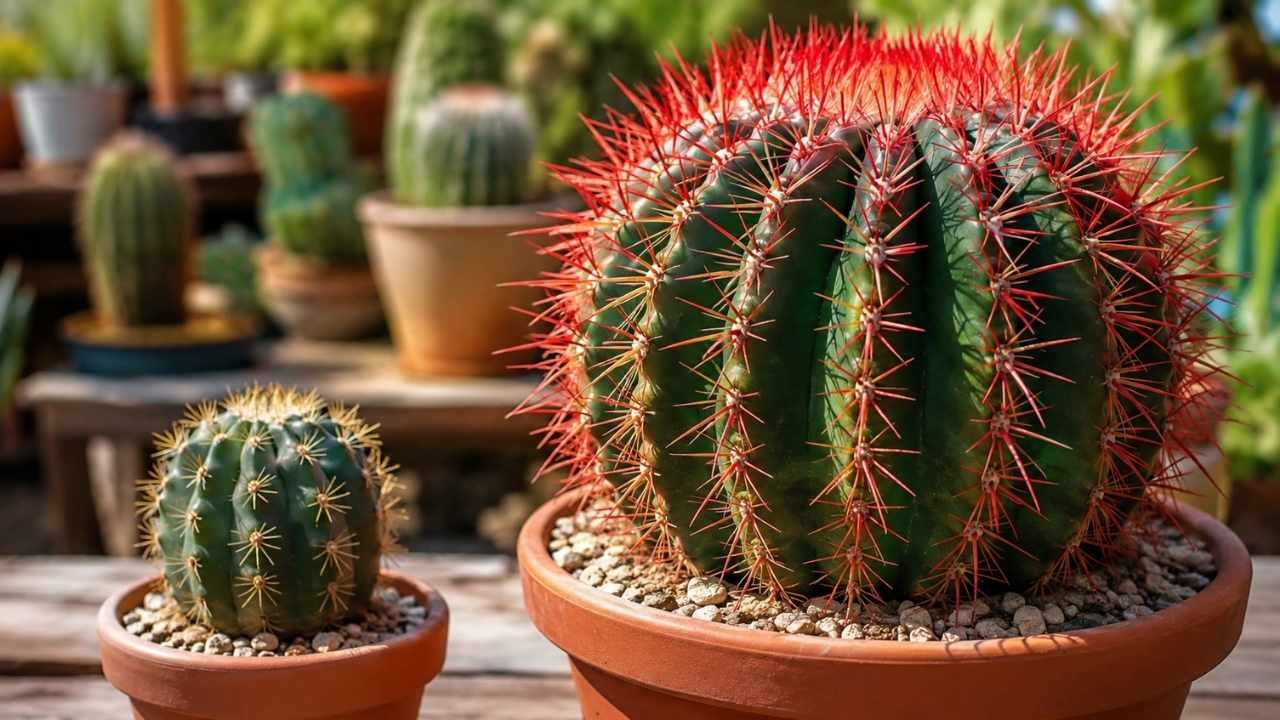
Ferocactus Care Guide: Ferocactus, commonly known as Barrel Cactus, is one of the most fascinating and resilient cactus varieties you can grow at home. Its distinctive round or cylindrical shape, striking spines, and low maintenance requirements make it a favorite among both beginner and experienced plant enthusiasts. Native to the deserts of North America, particularly Mexico and the southwestern United States, Ferocactus thrives in harsh conditions where many other plants struggle to survive.
Growing a Barrel Cactus at home can be a rewarding experience. Not only does it add a unique architectural element to indoor and outdoor spaces, but it also requires minimal care compared to many traditional houseplants. Despite its reputation for toughness, understanding its specific needs can make a significant difference in its growth, health, and longevity.
This comprehensive guide will walk you through everything you need to know about caring for Ferocactus, from selecting the right variety and potting mix to watering, lighting, propagation, and troubleshooting common problems.
Understanding Ferocactus
Ferocactus belongs to a genus of large cacti known for their ribbed bodies and impressive spines. The name Ferocactus comes from the Latin word meaning fierce cactus, referring to its formidable spines that can grow several inches long.
These cacti generally start as spherical plants and gradually become more barrel shaped as they mature. Depending on the species, they can reach heights of several feet and live for decades with proper care.
Popular species include:
Ferocactus wislizeni
Ferocactus cylindraceus
Ferocactus glaucescens
Ferocactus latispinus
Ferocactus herrerae
Each species has its own unique spine coloration, growth habits, and flowering characteristics, making them attractive additions to cactus collections.
Why Ferocactus Makes an Excellent Houseplant
One reason Barrel Cactus is so popular among plant lovers is its remarkable adaptability. Unlike many tropical houseplants that demand frequent watering and humidity, Ferocactus thrives on neglect.
Some key benefits include:
Low maintenance requirements
Excellent drought tolerance
Unique ornamental appearance
Long lifespan
Suitable for indoor and outdoor cultivation
Minimal pest issues
Ability to tolerate dry indoor air
These qualities make it an ideal plant for busy homeowners, apartment dwellers, and people new to gardening.
Choosing the Right Ferocactus
Selecting a healthy plant is the first step toward successful cultivation. When purchasing a Ferocactus, inspect it carefully for signs of health.
Look for:
Firm and plump body
Bright and evenly colored skin
Healthy spines
No soft spots
No visible pests
No signs of rot
Avoid plants that appear shriveled, discolored, or damaged. A healthy specimen will establish itself much more easily after transplanting.
Ideal Growing Conditions
Understanding the natural habitat of Ferocactus helps recreate suitable growing conditions at home.
In the wild, these cacti grow in hot, dry desert regions with intense sunlight and well drained soil. Replicating these conditions is essential for healthy growth.
The main factors to consider include:
Sunlight
Temperature
Soil quality
Watering practices
Air circulation
Container selection
When these factors are properly balanced, Ferocactus can thrive for many years.
Light Requirements
Sunlight is perhaps the most critical factor in Ferocactus care. These desert plants evolved under intense sunshine and require abundant light to maintain their shape and health.
Indoor Lighting
Place your Barrel Cactus near a south facing or west facing window where it can receive at least six to eight hours of direct sunlight daily.
If natural light is limited, consider using grow lights designed for succulents and cacti.
Outdoor Lighting
When grown outdoors, Ferocactus performs best in full sun. However, newly purchased plants should be gradually acclimated to direct sunlight to prevent sunburn.
Move the plant into brighter conditions over the course of several weeks.
Signs of Insufficient Light
Stretching or elongation
Pale coloration
Weak growth
Leaning toward light sources
Smaller spines
Providing adequate sunlight will help maintain the plant’s compact and attractive appearance.
Temperature Preferences
Ferocactus enjoys warm temperatures and can tolerate significant heat.
Ideal temperature ranges include:
Daytime temperatures between 70 and 95 degrees Fahrenheit
Nighttime temperatures above 50 degrees Fahrenheit
During the growing season, warm temperatures encourage active growth.
While mature plants can tolerate brief exposure to cooler conditions, prolonged frost can cause severe damage or death.
If you live in a region with cold winters, move outdoor container plants indoors before temperatures fall below freezing.
Humidity Requirements
Unlike tropical houseplants, Ferocactus prefers dry conditions.
Average indoor humidity levels are usually sufficient.
High humidity can create problems such as:
Fungal infections
Rotting roots
Stem diseases
Reduced airflow around the plant
Keeping the plant in a well ventilated area helps prevent moisture related issues.
Choosing the Best Soil
Proper soil is essential because Barrel Cactus is highly sensitive to waterlogged conditions.
A good cactus mix should provide:
Excellent drainage
Adequate aeration
Moderate nutrient content
Quick drying characteristics
You can purchase a commercial cactus mix or create your own blend.
A simple homemade mix may include:
Potting soil
Coarse sand
Perlite
Pumice
The goal is to create a loose growing medium that allows water to drain rapidly.
Selecting the Right Pot
Container choice plays a major role in cactus health.
Terracotta pots are often preferred because they allow moisture to evaporate through their porous walls.
When selecting a container:
Ensure drainage holes are present
Choose a pot slightly larger than the root system
Avoid oversized containers
Use stable pots that will not tip easily
Since mature Ferocactus can become heavy, sturdy containers are particularly important.
Watering Ferocactus Properly
Overwatering is the most common reason Barrel Cactus fails in cultivation.
These plants store water within their tissues and can survive extended dry periods.
A simple watering rule is to allow the soil to dry completely before watering again.
Spring and Summer
Water thoroughly when the soil becomes dry.
Depending on environmental conditions, watering may be needed every two to four weeks.
Autumn
Gradually reduce watering frequency as growth slows.
Winter
Water sparingly.
Many growers water only once every four to six weeks during dormancy.
Always adjust watering according to temperature, light levels, and humidity.
How to Water Correctly
When watering your Ferocactus:
Soak the soil thoroughly.
Allow excess water to drain completely.
Never leave the pot standing in water.
Wait until the soil becomes fully dry before watering again.
Deep watering followed by complete drying closely mimics the plant’s natural environment.
Signs of Overwatering
Recognizing overwatering early can save your cactus.
Common symptoms include:
Soft spots
Yellowing tissue
Black discoloration
Root rot
Foul odor
Sudden collapse
If these signs appear, reduce watering immediately and inspect the roots.
Signs of Underwatering
Although drought tolerant, Ferocactus still requires occasional moisture.
Symptoms of underwatering include:
Wrinkled skin
Shriveled appearance
Slow growth
Loss of firmness
Fortunately, underwatered plants usually recover quickly once watered properly.
Fertilizing Barrel Cactus
Ferocactus does not require heavy feeding.
A balanced cactus fertilizer applied during the growing season is usually sufficient.
Feed once every four to six weeks during spring and summer.
Avoid fertilizing during autumn and winter when growth naturally slows.
Too much fertilizer can result in weak growth and reduced plant health.
Repotting Ferocactus
Repotting is necessary when the cactus outgrows its container or the soil deteriorates.
Most Barrel Cacti only need repotting every two to four years.
Repotting steps include:
Allow the soil to dry completely.
Wear thick gloves.
Carefully remove the plant.
Inspect roots for damage.
Place in fresh cactus mix.
Wait several days before watering.
This recovery period helps prevent root rot and transplant shock.
