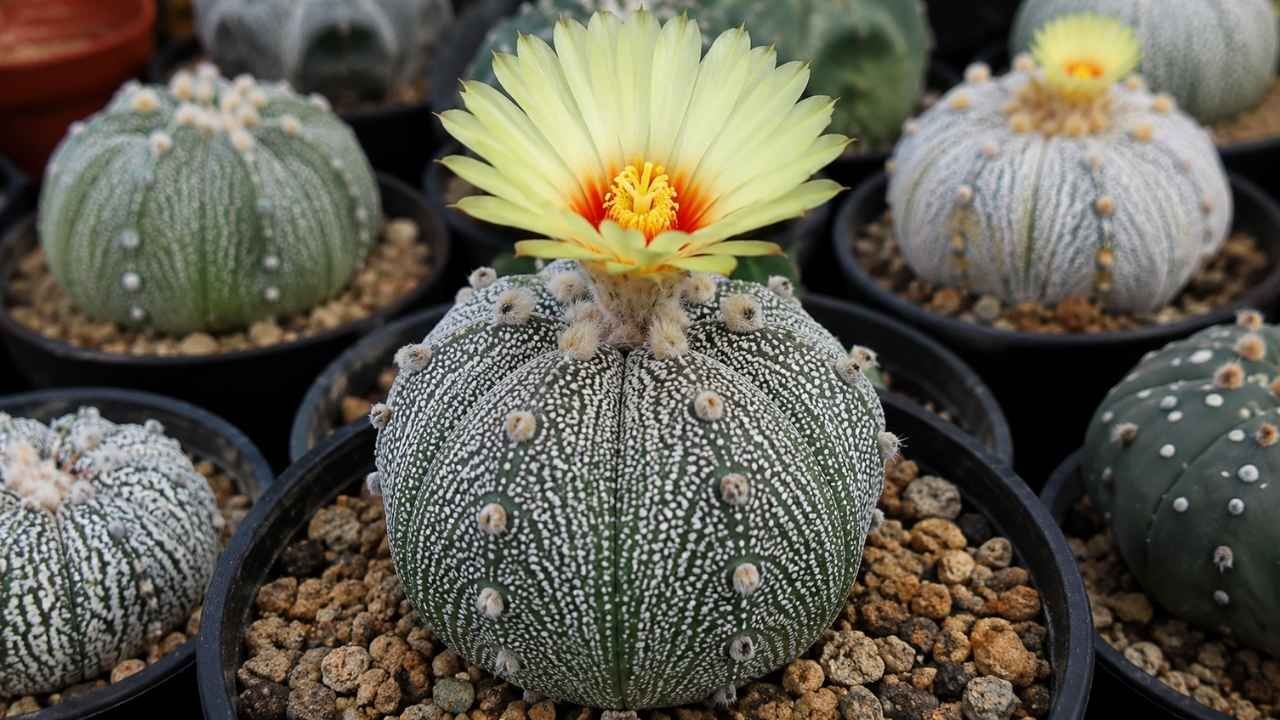
Astrophytum Cactus Care Guide: Astrophytum is one of the most fascinating cactus genera admired by plant collectors around the world. Known for its unique star shaped appearance, attractive patterns, and surprisingly beautiful flowers, this cactus has earned a special place among succulent enthusiasts. Whether you are a beginner looking for a low maintenance plant or an experienced collector searching for rare specimens, Astrophytum offers something truly special.
Native to the arid regions of Mexico and parts of southern Texas, these cacti have adapted to survive in harsh desert environments. Their ability to thrive with minimal water and care makes them excellent choices for indoor and outdoor cultivation. Beyond their resilience, Astrophytum species are prized for their geometric beauty. Many varieties feature white speckled patterns, ribbed bodies, and vibrant yellow flowers that bloom during the growing season.
Growing Astrophytum successfully requires understanding its natural habitat and providing conditions that mimic its desert origins. When given proper sunlight, well draining soil, and careful watering, these plants can live for decades and become stunning centerpieces in any collection.
What Is Astrophytum?
The name Astrophytum comes from Greek words meaning “star plant,” a reference to the star like shape visible when viewed from above. The genus belongs to the cactus family and consists of several species, each with distinctive characteristics.
Unlike many cacti that develop numerous spines, some Astrophytum species are almost spineless. Their bodies are often covered with tiny white scales known as trichomes. These scales help reflect sunlight and reduce water loss, allowing the plant to survive extreme heat and drought.
Astrophytum plants grow slowly, which makes them highly desirable among collectors. Their compact size allows them to fit comfortably on windowsills, balconies, patios, and greenhouse shelves.
Popular Types of Astrophytum Cactus
Astrophytum myriostigma is one of the most widely cultivated species. Commonly known as the Bishop’s Cap Cactus, it features a smooth body with five distinct ribs. The surface is covered with tiny white flecks that give it a silvery appearance. Mature plants produce bright yellow flowers near the top.
Astrophytum asterias is another favorite among enthusiasts. This species is almost flat and spineless, resembling a green sea urchin. Its symmetrical shape and attractive flowers make it highly sought after by collectors.
Astrophytum ornatum is the largest species in the genus. It develops pronounced ribs and long curved spines as it matures. White markings arranged in bands across the body create a striking visual effect.
Astrophytum capricorne is known for its unusual twisted spines that resemble goat horns. The plant combines dramatic texture with large yellow flowers, making it one of the most ornamental species.
Astrophytum coahuilense closely resembles Astrophytum myriostigma but can be distinguished by its floral characteristics. It often develops dense white speckling that enhances its decorative appeal.
Hybrid Astrophytums are also becoming increasingly popular. Breeders create unique combinations featuring unusual patterns, shapes, and growth habits that appeal to serious collectors.
Natural Habitat and Growing Conditions
In their native habitats, Astrophytum cacti grow in rocky, well drained soils where rainfall is limited and temperatures can be extreme. Understanding these conditions helps growers recreate a suitable environment.
These plants typically receive intense sunlight throughout the year. However, they often benefit from partial protection during the hottest hours of the day. Good air circulation is equally important because stagnant humidity can lead to fungal problems.
The natural soils where Astrophytum grows are generally mineral rich and fast draining. Water quickly moves away from the roots, preventing rot and other moisture related issues.
Light Requirements
Proper lighting is one of the most important factors in Astrophytum cultivation. These cacti thrive in bright conditions and require several hours of direct sunlight each day.
Indoor growers should place plants near a south facing or west facing window whenever possible. Bright indirect light may be sufficient for some species, but stronger light encourages compact growth and flowering.
When moving a cactus from shade to direct sun, gradual acclimation is essential. Sudden exposure can cause sunburn, leading to permanent discoloration on the plant’s surface.
Outdoor specimens generally perform well in locations that receive morning sunlight and some afternoon protection during periods of intense summer heat.
Soil and Potting Mix
A well draining soil mixture is critical for healthy root development. Standard garden soil retains too much moisture and can quickly lead to root rot.
An ideal Astrophytum mix contains a high percentage of mineral materials such as pumice, coarse sand, crushed granite, or perlite. These ingredients improve drainage while maintaining adequate aeration around the roots.
Many experienced growers use cactus specific potting mixes enhanced with additional mineral components. The goal is to create a substrate that dries relatively quickly after watering.
Terracotta pots are often preferred because they allow excess moisture to evaporate through the porous walls. Containers must always have drainage holes to prevent standing water.
Watering Astrophytum Cactus
Watering is perhaps the most misunderstood aspect of cactus care. Although Astrophytum is drought tolerant, it still requires regular moisture during active growth.
During spring and summer, water thoroughly and then allow the soil to dry completely before watering again. This cycle mimics natural rainfall patterns in desert environments.
Overwatering is far more dangerous than underwatering. Constantly wet soil deprives roots of oxygen and creates conditions favorable for rot.
During autumn, watering frequency should gradually decrease. In winter, most Astrophytum species enter a dormant period and require very little moisture. Many growers keep their plants nearly dry until growth resumes in spring.
Temperature and Humidity
Astrophytum cacti appreciate warm temperatures during the growing season. Daytime temperatures between 20 and 35 degrees Celsius generally support healthy growth.
Most species tolerate short periods of cooler weather, especially when kept dry. However, prolonged exposure to freezing temperatures can cause severe damage.
Humidity should remain relatively low. High humidity combined with poor ventilation increases the risk of fungal diseases and rot. Indoor growers should ensure adequate airflow around their plants.
Fertilization
Although Astrophytum cacti are not heavy feeders, occasional fertilization can encourage stronger growth and improved flowering.
A balanced cactus fertilizer diluted to half strength can be applied during the active growing season. Monthly feeding is usually sufficient.
Avoid excessive nitrogen because it can promote soft, weak growth that is more susceptible to disease. Fertilization should stop during dormancy when the plant is not actively growing.
Flowering Characteristics
One of the greatest rewards of growing Astrophytum is witnessing its flowers. Most species produce large, daisy like blooms that emerge from the plant’s crown.
The flowers are typically bright yellow, although some species may display orange or red centers. Blooms often open during sunny days and close at night.
Flowering generally occurs during late spring and summer once plants reach maturity. Adequate sunlight, proper watering practices, and a cool winter rest period often increase blooming potential.
The contrast between the geometric cactus body and the delicate flowers creates a stunning display that captivates growers year after year.
Propagation Methods
Most Astrophytum species are propagated from seed. Seed grown plants develop stronger root systems and often display greater genetic diversity.
Fresh seeds usually germinate within one to three weeks when kept warm and slightly moist. Bright indirect light and consistent temperatures improve success rates.
Some hybrid varieties may also be grafted onto faster growing rootstocks. Grafting can accelerate growth and help preserve rare specimens.
Patience is essential because seedlings grow slowly during their early years. However, the reward of raising a cactus from seed is well worth the effort.
Common Problems and Solutions
Root rot remains the most common issue affecting Astrophytum cacti. Symptoms include soft tissue, discoloration, and collapse of the plant body. Improving drainage and reducing watering are the best preventive measures.
Mealybugs occasionally attack roots and stems. Early detection allows effective treatment before serious damage occurs.
Sunburn can occur when plants are exposed to intense sunlight without proper acclimation. White or brown patches may appear on the surface.
Poor growth often results from insufficient light, improper watering, or depleted soil nutrients. Identifying the underlying cause is essential for long term success.
Why Astrophytum Is a Collector’s Favorite
Astrophytum combines beauty, rarity, and ease of care in a way few cacti can match. Its symmetrical forms, unique patterns, and vibrant flowers make it a standout addition to any plant collection.
The slow growth habit encourages patience and appreciation for gradual development. Many specimens become more valuable and impressive with age.
Whether displayed individually or as part of a larger cactus collection, Astrophytum consistently attracts attention and admiration.
Conclusion
Astrophytum cacti are among the most rewarding plants a grower can cultivate. Their remarkable shapes, attractive markings, and brilliant flowers provide year round interest while requiring relatively simple care. By supplying bright light, excellent drainage, careful watering, and suitable temperatures, growers can enjoy healthy specimens for many years.
From the iconic Bishop’s Cap to the rare and highly prized Astrophytum asterias, each species offers unique characteristics that make the genus truly exceptional. With patience and proper cultivation techniques, anyone can successfully grow these beautiful star shaped treasures and experience the satisfaction of watching them thrive.
