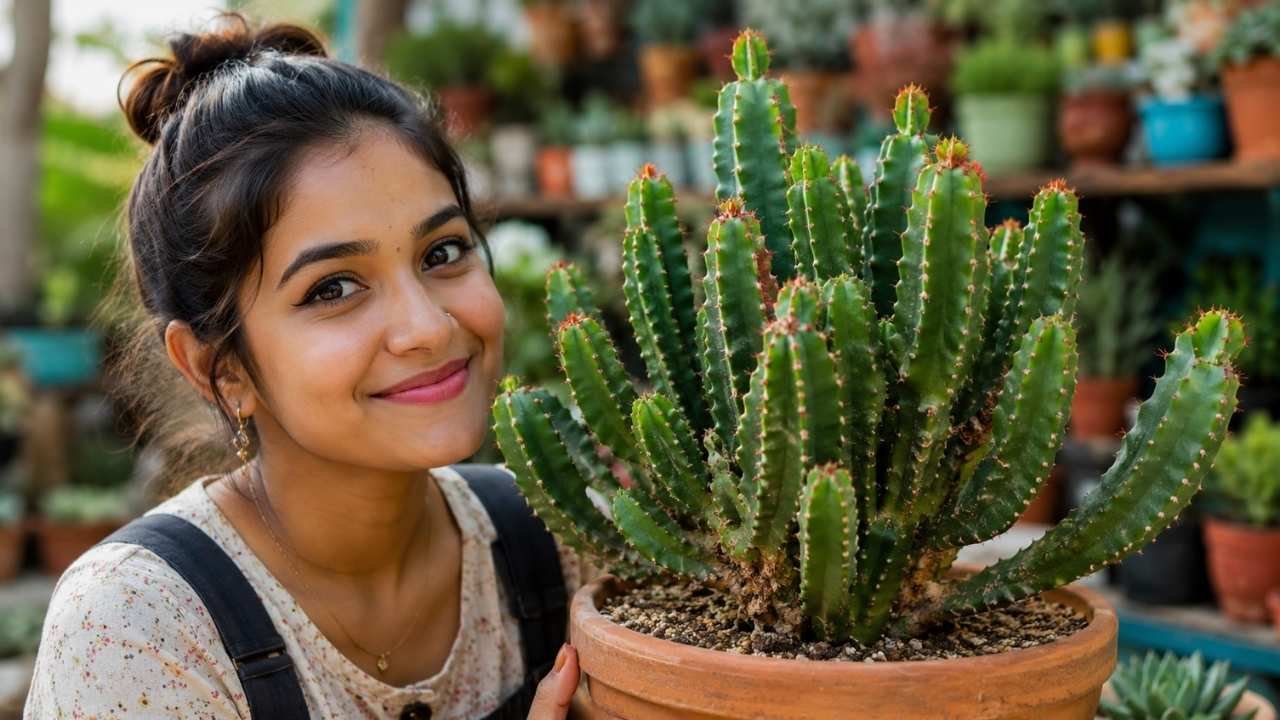
Bolivicactus Care Guide: Bolivicactus is one of those fascinating cactus plants that instantly captures attention with its unique shape, striking spines, and remarkable ability to thrive in challenging environments. Native to parts of South America, particularly regions with dry climates and rocky landscapes, this cactus has become increasingly popular among plant enthusiasts and collectors around the world.
What makes Bolivicactus especially appealing is its combination of beauty and resilience. Unlike many houseplants that demand constant attention, this cactus can tolerate periods of neglect while still maintaining its attractive appearance. Whether you are a beginner exploring the world of succulents or an experienced collector searching for an unusual addition to your collection, Bolivicactus offers a rewarding growing experience.
Growing a healthy cactus is not simply about placing it on a sunny windowsill and forgetting about it. Understanding its natural habitat, watering needs, soil preferences, and growth habits can make a significant difference in its long-term health. When cared for properly, Bolivicactus can live for many years and even produce beautiful flowers under the right conditions.
This comprehensive guide covers everything you need to know about growing, propagating, and maintaining a thriving Bolivicactus.
Understanding Bolivicactus
Bolivicactus belongs to a group of cacti adapted to survive in environments where rainfall is limited and temperatures can fluctuate dramatically between day and night. These plants have evolved specialized features that allow them to store water efficiently and minimize moisture loss.
Most varieties display rounded or columnar growth forms with pronounced ribs and clusters of spines. The spines serve multiple purposes. They help protect the plant from animals, provide shade from intense sunlight, and reduce water loss by limiting airflow around the plant’s surface.
One of the most fascinating aspects of Bolivicactus is its slow growth rate. While some gardeners may initially find this frustrating, slow growth actually contributes to the plant’s longevity and low maintenance requirements. With patience and proper care, the cactus gradually develops into a striking specimen.
Choosing the Right Location
Location plays a crucial role in the health of any cactus. Bolivicactus naturally thrives in bright environments where sunlight is abundant.
Indoor growers should place the plant near a south-facing or west-facing window where it can receive several hours of direct sunlight each day. Bright light encourages healthy growth and helps maintain the plant’s compact shape.
If sunlight is insufficient, the cactus may begin stretching toward the light source. This condition, known as etiolation, results in weak, elongated growth that diminishes the plant’s natural beauty.
Outdoor cultivation is possible in regions with warm, dry climates. When moving a cactus outdoors, it is important to introduce it gradually to direct sunlight. Sudden exposure can cause sunburn, leading to discolored patches on the plant’s surface.
Temperature Requirements
Bolivicactus generally prefers warm temperatures during the growing season. Daytime temperatures between 70°F and 90°F are ideal for active growth.
During winter, many species benefit from a cooler resting period. Temperatures between 45°F and 60°F help simulate natural seasonal conditions and can encourage flowering in mature specimens.
Extreme cold poses a serious threat to most cacti. Frost can damage plant tissues and may even kill the plant if exposure is prolonged. Gardeners living in colder regions should move outdoor plants indoors before temperatures drop significantly.
Selecting the Best Soil
Proper soil is essential for maintaining healthy roots. One of the most common mistakes cactus owners make is planting their specimens in regular potting soil.
Standard potting mixes retain too much moisture, increasing the risk of root rot. Bolivicactus requires a fast-draining growing medium that allows excess water to escape quickly.
A quality cactus mix usually contains materials such as coarse sand, pumice, perlite, and small gravel particles. These ingredients create air pockets around the roots while promoting efficient drainage.
Some experienced growers prefer creating their own soil blend. A mixture containing equal parts cactus soil, coarse sand, and pumice often works exceptionally well.
Choosing the Right Pot
The container you select can significantly impact plant health. Terracotta pots are often considered the best option because they are porous and allow excess moisture to evaporate through the sides.
Plastic pots retain moisture longer, which may be beneficial in extremely dry environments but requires careful watering management.
Drainage holes are absolutely essential. Water should never remain trapped at the bottom of the container. Standing water creates conditions that encourage root diseases and fungal problems.
Choose a pot that provides a little extra space for growth without being excessively large. Oversized containers hold more moisture than the plant can use, increasing the likelihood of overwatering issues.
Watering Bolivicactus Correctly
Watering is perhaps the most important aspect of cactus care. Surprisingly, many cacti suffer not from drought but from excessive watering.
Bolivicactus follows a simple watering principle. Water thoroughly, then allow the soil to dry completely before watering again.
During spring and summer, the plant actively grows and typically requires more frequent watering. Depending on environmental conditions, watering may be necessary every one to three weeks.
During autumn and winter, growth slows considerably. Watering should be reduced significantly. In some cases, mature plants may only need occasional moisture throughout the entire winter season.
Always check soil dryness before watering. If moisture remains beneath the surface, wait a few more days.
Fertilizing for Healthy Growth
Although Bolivicactus can survive in nutrient-poor environments, occasional feeding supports stronger growth and flowering.
A balanced cactus fertilizer applied during the active growing season is usually sufficient. Fertilizing once a month during spring and summer often produces excellent results.
Avoid excessive fertilizer use. Too much nutrition can encourage weak, unnatural growth and may damage sensitive roots.
During winter dormancy, fertilization should be stopped entirely.
Understanding Dormancy
Dormancy is a natural resting period that many cactus species experience during cooler months.
During this phase, growth slows dramatically as the plant conserves energy. New growth may be minimal or completely absent.
Some owners mistakenly assume their cactus is unhealthy when growth stops. In reality, dormancy is an important part of the plant’s life cycle.
Providing cooler temperatures and reducing water during this period helps maintain long-term health and encourages future flowering.
How to Propagate Bolivicactus
Propagation is an exciting way to expand your collection and share plants with fellow enthusiasts.
Many Bolivicactus species produce offsets, commonly called pups. These small plants develop around the base of the parent cactus.
When the offset reaches a reasonable size, it can be carefully removed using a clean, sharp tool. The cutting should then be left in a dry location for several days to allow the wound to callus.
Once the cut surface has dried, the offset can be planted in a well-draining cactus mix.
Water sparingly until new roots develop.
Propagation from Seeds
Growing Bolivicactus from seed requires patience but offers a rewarding experience.
Fresh seeds generally produce the best germination rates. The seeds should be placed on the surface of a sterile, well-draining growing medium and lightly pressed into place.
Warm temperatures and gentle humidity encourage germination. Under favorable conditions, seedlings may begin appearing within a few weeks.
Young seedlings require bright indirect light and careful moisture management. Excess water can quickly destroy delicate new plants.
Common Problems and Solutions
Even hardy cacti occasionally encounter problems.
Overwatering remains the leading cause of plant decline. Symptoms often include yellowing, soft tissues, and root rot.
Insufficient light can lead to stretched growth and poor coloration.
Pests such as mealybugs and spider mites sometimes attack weakened plants. Regular inspections help identify infestations before they become severe.
Maintaining proper light, watering, and airflow significantly reduces the likelihood of most problems.
Encouraging Flower Production
Flowering is one of the most rewarding aspects of growing Bolivicactus.
Mature plants are more likely to bloom than younger specimens. Consistent sunlight, proper dormancy, and careful watering all contribute to successful flowering.
Patience is essential. Some species may require several years before producing their first flowers.
When blooming occurs, the display often justifies every moment of waiting.
Long Term Care Tips
Successful long-term cultivation depends on consistency rather than constant intervention.
Observe your cactus regularly and adjust care based on seasonal changes. Repot only when necessary, maintain excellent drainage, and avoid the temptation to water too frequently.
Remember that cacti evolved to survive difficult conditions. In many cases, less attention is actually better than excessive care.
A healthy Bolivicactus can become a cherished part of your plant collection for decades, rewarding you with unique growth patterns, impressive resilience, and occasional spectacular blooms.
Conclusion
Bolivicactus is a remarkable cactus that combines beauty, durability, and low maintenance requirements. Whether grown indoors on a sunny windowsill or outdoors in a suitable climate, it can thrive when its basic needs are met.
Providing bright light, fast-draining soil, careful watering, and occasional feeding creates the foundation for success. Understanding dormancy, propagation methods, and common challenges further improves your ability to grow healthy plants.
With patience and proper care, Bolivicactus can flourish for many years, becoming a standout feature in any cactus collection. Its resilience serves as a reminder that some of nature’s most beautiful creations are also among the toughest.
