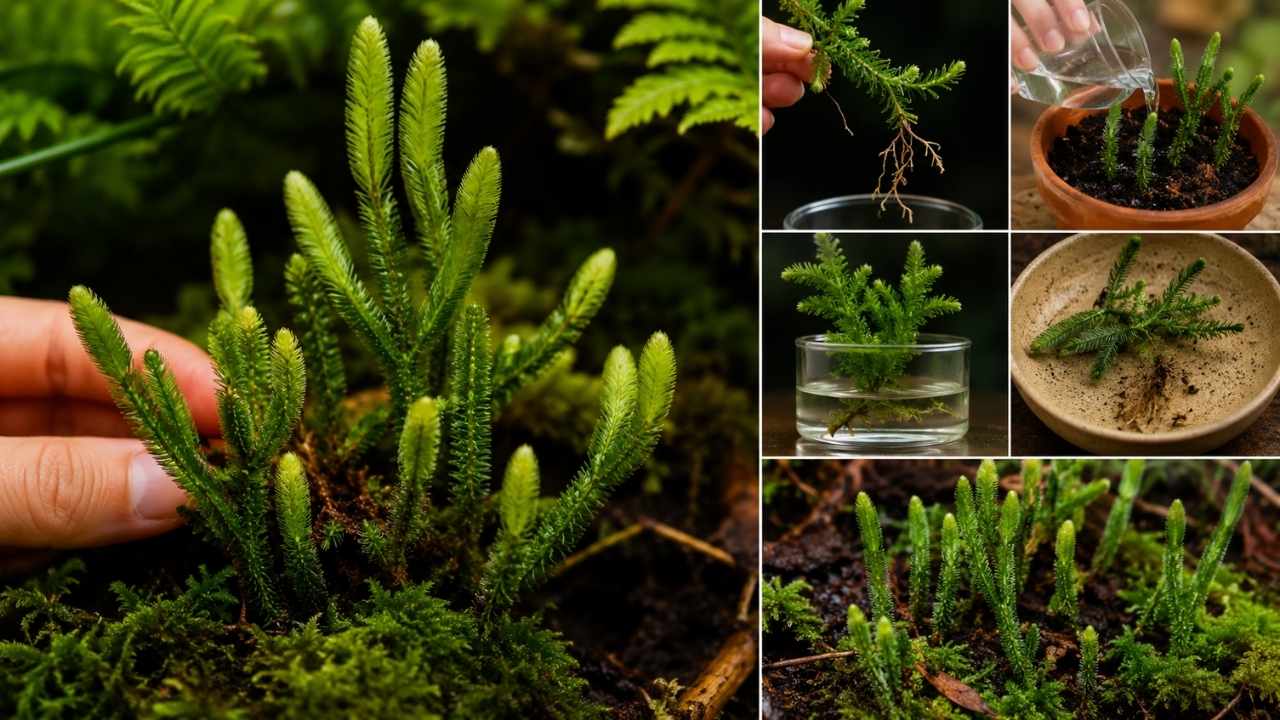
How to Grow Lycophytes: Lycophytes are among the oldest surviving groups of vascular plants on Earth, dating back hundreds of millions of years. These fascinating plants are admired for their unique textures, lush green appearance, and ability to thrive in moist, shaded environments. Many gardeners and plant enthusiasts grow lycophytes for their ornamental beauty, while others appreciate their historical and botanical significance.
Unlike flowering plants, lycophytes reproduce through spores rather than seeds, making them especially interesting for collectors and indoor plant hobbyists. Popular examples include club mosses, spike mosses, and quillworts. Although they may appear delicate, lycophytes can thrive successfully when provided with the right growing conditions.

Understanding their natural habitat, moisture requirements, soil preferences, and propagation methods is essential for healthy growth. Whether you plan to grow them indoors, in a terrarium, or outdoors in a shaded garden, proper care can help these ancient plants flourish for years.
Understanding Lycophytes and Their Natural Habitat
Lycophytes belong to one of the oldest plant lineages still existing today. They are commonly found in forests, wetlands, tropical regions, and humid mountainous areas. These plants naturally grow in moist environments with filtered sunlight and stable humidity.

In nature, many lycophytes spread across forest floors, rocks, and damp soil surfaces. Some species prefer tropical rainforests, while others thrive in cooler temperate climates. Understanding their native conditions is important because recreating a similar environment at home significantly improves growth and overall health.
Most lycophytes dislike dry air, direct sunlight, and compacted soil. Their roots are generally shallow, and they absorb moisture efficiently from their surroundings. Because of this, maintaining consistent humidity is one of the most important aspects of successful cultivation.

Choosing the Right Lycophyte Species
There are several types of lycophytes suitable for home gardens and indoor growing. Some species are more beginner friendly than others, depending on climate and care requirements.
Club mosses are popular for shaded gardens and woodland settings due to their soft, evergreen foliage. Spike mosses are commonly grown indoors because they adapt well to terrariums and humid spaces. Quillworts are aquatic or semi aquatic species often cultivated in water gardens or aquariums.

When selecting a species, consider your local climate, available growing space, and humidity levels. Tropical species usually require warmer temperatures and higher humidity, while temperate varieties may tolerate cooler conditions more easily.
Healthy nursery specimens with vibrant green foliage and no signs of dryness or browning are the best choices for successful establishment.
Ideal Light Conditions for Lycophytes
Most lycophytes prefer indirect or filtered light rather than direct sun exposure. In their natural habitat, they often grow beneath larger plants and forest canopies where sunlight is soft and diffused.
Bright indirect light is ideal for indoor species. A location near an east facing window or in a shaded room works well for most varieties. Direct afternoon sunlight can scorch delicate foliage and dry out the plant quickly.

Outdoor lycophytes grow best in shaded or partially shaded areas with protection from intense heat. Woodland gardens, shaded patios, and moist garden beds provide excellent conditions.
If indoor lighting is insufficient, artificial grow lights with moderate brightness can support healthy growth without causing heat stress.

Soil Requirements for Healthy Growth
The right soil mixture plays a major role in maintaining healthy lycophytes. These plants prefer loose, moisture retaining soil that drains well while staying consistently damp.
A mix containing peat moss, coco coir, leaf mold, and perlite often works effectively. This combination provides both moisture retention and aeration, preventing root rot while supporting steady hydration.

Avoid heavy clay soil or compacted mixes that trap excessive water around the roots. Although lycophytes enjoy moisture, stagnant water can damage their delicate root systems.
For terrarium growing, adding sphagnum moss to the substrate helps maintain humidity and encourages natural spreading growth.

Watering Lycophytes Properly
Consistent moisture is essential for thriving lycophytes. Unlike drought tolerant plants, they should never dry out completely. Their soil should remain evenly moist at all times.
Watering frequency depends on temperature, humidity, and growing conditions. Indoor plants may require watering several times a week, especially in dry climates or during winter heating periods.

Use room temperature water to avoid shocking the roots. Rainwater or filtered water is often preferred because some species are sensitive to minerals and chemicals found in tap water.
Misting the foliage regularly can also help maintain humidity levels, especially for tropical varieties grown indoors.
Humidity and Temperature Needs
Humidity is one of the most critical factors for successful lycophyte care. Most species thrive in environments with moderate to high humidity levels.
Indoor humidity between 60 and 80 percent is ideal for many tropical lycophytes. Terrariums, humidifiers, and pebble trays filled with water can help maintain suitable conditions.
Dry air often leads to browning tips, curling foliage, and slowed growth. Bathrooms, greenhouses, and enclosed plant cabinets are excellent locations for humidity loving species.
Temperature requirements vary depending on the species, but most lycophytes prefer moderate temperatures between 60 and 75 degrees Fahrenheit. Extreme heat and cold should be avoided whenever possible.
Fertilizing Lycophytes Carefully
Lycophytes generally require very little fertilizer compared to flowering plants. Overfertilizing can damage roots and lead to weak or discolored growth.
A diluted liquid fertilizer applied once every month during the growing season is usually sufficient. Use a balanced fertilizer at half strength to avoid salt buildup in the soil.
Organic compost tea or diluted fish emulsion may also provide gentle nutrition for outdoor species. During winter or dormant periods, fertilization should be reduced or stopped entirely.
Healthy lycophytes typically maintain their lush green appearance without heavy feeding.
Propagation Techniques for Lycophytes
Propagating lycophytes can be both rewarding and fascinating because these plants reproduce differently from most common houseplants.
Division is the easiest propagation method for beginners. Mature clumps can be carefully separated into smaller sections, each containing healthy roots and stems. Replant the divisions in moist soil and maintain high humidity until new growth appears.
Spore propagation is more advanced but highly interesting for plant enthusiasts. Lycophytes produce spores in specialized structures rather than seeds. These spores can be collected and placed on sterile, moist growing media under humid conditions.
Because spore propagation takes time and patience, many growers prefer division for faster results.
Growing Lycophytes in Terrariums
Terrariums provide one of the best environments for many lycophyte species. The enclosed space naturally maintains humidity and creates stable growing conditions.
Use a clear glass container with proper airflow and drainage layers at the bottom. Activated charcoal helps reduce odors and fungal growth, while moss and loose substrate support healthy root development.
Lycophytes pair beautifully with ferns, mosses, and other humidity loving plants in terrarium displays. Keep the terrarium in bright indirect light and avoid placing it in direct sun to prevent overheating.
Regular monitoring is important to ensure excess moisture does not lead to mold or rot.
Common Problems and How to Fix Them
Although lycophytes are relatively low maintenance once established, they can develop problems if growing conditions become unfavorable.
Brown or crispy foliage usually indicates low humidity or underwatering. Increasing moisture levels and misting the plant often resolves the issue.
Yellowing stems may suggest overwatering or poor drainage. Adjust watering frequency and improve soil aeration if necessary.
Pests are generally uncommon, but spider mites and fungus gnats occasionally appear in dry or overly damp environments. Maintaining proper airflow and balanced moisture helps prevent infestations.
Fungal diseases can occur if humidity is excessive without ventilation. Removing affected foliage and improving air circulation usually prevents further spread.
Benefits of Growing Lycophytes
Lycophytes offer several benefits beyond their visual appeal. Their lush greenery creates a calming atmosphere and adds texture to indoor and outdoor plant collections.
Because many species thrive in terrariums and shaded environments, they are ideal for spaces where flowering plants struggle. Their ancient lineage also makes them fascinating conversation pieces for botanical enthusiasts.
Some gardeners use lycophytes in woodland landscapes to create natural, prehistoric style garden designs. Others appreciate their ability to retain moisture and contribute to humid microenvironments in plant displays.
Their relatively slow growth and low fertilizer needs also make them manageable for long term care.
Conclusion
Growing lycophytes can be a rewarding experience for both beginner and experienced plant enthusiasts. These ancient plants thrive when provided with consistent moisture, high humidity, indirect light, and well draining soil. By understanding their natural habitat and adapting your care routine accordingly, you can successfully cultivate healthy and vibrant lycophytes indoors or outdoors.
Whether grown in terrariums, shaded gardens, or decorative indoor containers, lycophytes bring a unique and timeless beauty to any plant collection. With proper watering, careful propagation, and attention to humidity levels, these remarkable plants can continue thriving for many years while adding a touch of prehistoric elegance to your space.