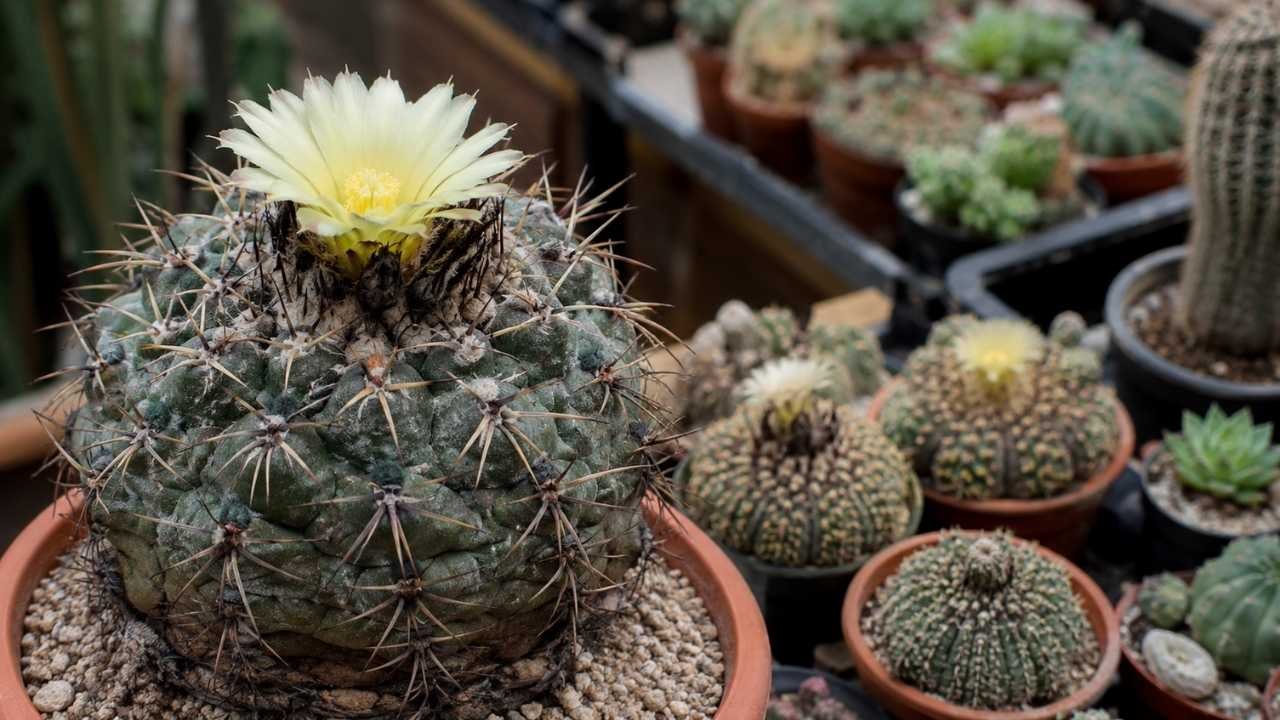
Copiapoa Cactus Care Guide: Among the world’s most fascinating desert plants, Copiapoa cacti stand in a class of their own. Native to the harsh coastal deserts of northern Chile, these remarkable succulents have captivated collectors, botanists, and cactus enthusiasts for generations. Their unique appearance, slow growth, and ability to survive in one of the driest environments on Earth make them highly desirable additions to any succulent collection.
Unlike many common cacti found in garden centers, Copiapoa species possess a distinct character that reflects their extreme habitat. Many varieties develop stunning silver, gray, or white coatings that protect them from intense sunlight. Others form impressive clusters over decades, creating living sculptures that become more beautiful with age.
Growing Copiapoa successfully requires understanding their natural environment and adapting cultivation techniques accordingly. While they are not considered difficult plants, they demand a different approach compared to faster growing cactus species. Patience, proper watering, excellent drainage, and adequate sunlight are essential for long term success.
This comprehensive guide explores the most sought after Copiapoa varieties, explains their care requirements, and provides expert growing tips to help these extraordinary Chilean succulents thrive in cultivation.
The Natural Habitat of Copiapoa
To understand how to care for Copiapoa, it is important to appreciate the conditions in which these plants evolved.
Copiapoa species are native to the Atacama Desert in northern Chile, widely recognized as one of the driest places on Earth. Some regions receive virtually no measurable rainfall for years at a time. Instead of relying on regular precipitation, many plants survive through moisture collected from coastal fog.
The environment is characterized by intense sunlight, rocky soils, dramatic temperature fluctuations, and minimal organic matter. These challenging conditions have shaped Copiapoa into highly specialized plants capable of conserving water and resisting prolonged drought.
Many species grow on hillsides, rocky slopes, and exposed desert terrain where drainage is exceptional. Their roots quickly absorb available moisture before the soil dries completely.
When cultivated at home, recreating aspects of this environment is the key to healthy growth.
Why Copiapoa Is Highly Valued Among Collectors
Copiapoa has earned a reputation as one of the most collectible cactus genera in the world.
One reason is their extraordinary appearance. Many species develop a powdery coating known as farina, which gives the plants an attractive silver white coloration. This natural sunscreen reflects intense sunlight and enhances their visual appeal.
Another factor is their slow growth. A mature specimen may require decades to reach impressive size. This slow development makes large plants especially valuable and admired by collectors.
Their rarity also contributes to their desirability. Several species are limited to small geographic regions in Chile, making conservation efforts increasingly important.
Additionally, no two mature plants look exactly alike. Variations in spine patterns, body shape, clustering habits, and coloration create unique specimens that become living works of art over time.
Popular Copiapoa Varieties
The genus contains numerous fascinating species, each with distinctive characteristics.
Copiapoa cinerea
Often considered the crown jewel of the genus, Copiapoa cinerea is famous for its thick silver coating and dramatic appearance.
The plant typically forms solitary stems when young but may eventually produce clusters. Its chalky white surface contrasts beautifully with dark spines, creating one of the most recognizable cactus silhouettes.
Collectors frequently regard this species as one of the most desirable cacti available.
Copiapoa columna alba
Known for its striking white coloration, this species develops tall columnar stems covered in dense farina.
The bright appearance helps protect the plant from intense desert sunlight while giving it a unique ornamental quality.
Copiapoa hypogaea
This unusual species remains relatively small and often grows partially below the soil surface in its natural habitat.
Its flattened shape helps reduce exposure to harsh environmental conditions. The species is especially appreciated by collectors interested in miniature desert plants.
Copiapoa humilis
One of the more variable members of the genus, Copiapoa humilis displays considerable diversity in spine formation and body shape.
It tends to grow faster than some other species and can be an excellent choice for beginners interested in exploring the genus.
Copiapoa dealbata
Recognized for its beautiful gray white epidermis and compact growth habit, this species adapts well to container cultivation.
Its attractive appearance makes it a favorite among succulent enthusiasts worldwide.
Light Requirements
Proper lighting is one of the most important aspects of Copiapoa cultivation.
These cacti naturally experience intense desert sunlight for much of the year. In cultivation, they generally perform best when provided with abundant bright light.
Outdoor specimens benefit from several hours of direct sun daily, particularly during morning hours. However, plants that have been grown indoors or under shade should be introduced gradually to stronger light conditions.
Sudden exposure to intense sunlight can cause sunburn, especially on younger plants.
Indoor growers should position Copiapoa near the brightest available window. South facing windows often provide ideal conditions in many regions.
Supplemental grow lights can also be highly effective for maintaining compact growth and healthy coloration.
Insufficient light may result in stretching, poor spine development, and reduced overall vigor.
Choosing the Right Soil
Excellent drainage is absolutely essential.
Copiapoa roots are highly sensitive to prolonged moisture, making heavy organic soils unsuitable. Waterlogged conditions can quickly lead to root rot and plant decline.
A mineral rich cactus mix is generally preferred. Many experienced growers use blends containing pumice, coarse sand, crushed granite, lava rock, or similar materials.
The goal is to create a substrate that allows water to move rapidly through the container while maintaining adequate airflow around the roots.
Organic components can be included in moderation, but excessive peat or moisture retaining materials should be avoided.
A well draining soil mixture closely mimics the rocky conditions these plants experience in nature.
Watering Copiapoa Correctly
Overwatering remains the most common cause of failure when growing Copiapoa.
These plants are adapted to extended dry periods and should never be watered according to a fixed schedule. Instead, watering should be based on soil dryness, seasonal growth patterns, and environmental conditions.
During active growth in spring and summer, water thoroughly and allow the soil to dry completely before watering again.
The frequency may vary from one environment to another. Warm temperatures, strong light, and good airflow generally increase water usage.
As temperatures cool in autumn, watering should gradually decrease.
During winter dormancy, many growers provide little or no water at all, particularly when temperatures remain cool.
This dry rest period encourages healthy growth and reduces the risk of rot.
Temperature Preferences
Copiapoa enjoys warm conditions during the growing season.
Daytime temperatures between 70°F and 90°F often produce excellent results. The plants appreciate warmth but also benefit from cooler nighttime temperatures.
Many species can tolerate brief periods of near freezing conditions if kept completely dry. However, prolonged exposure to frost should be avoided.
In colder climates, indoor winter protection is usually necessary.
Maintaining a cool and dry winter environment helps mimic natural seasonal cycles and promotes stronger growth during the following season.
Fertilizing for Healthy Growth
Because Copiapoa naturally grows in nutrient poor environments, heavy feeding is unnecessary.
A balanced cactus fertilizer diluted to half strength can be applied occasionally during active growth.
Most growers fertilize only a few times per year.
Excessive fertilizer may encourage weak, unnatural growth and reduce the plant’s characteristic appearance.
Moderation is always the best approach.
Healthy roots, proper light, and suitable watering practices contribute far more to success than frequent feeding.
Pot Selection and Repotting
Choosing the right container can significantly influence plant health.
Terracotta pots are popular because they allow moisture to evaporate through the container walls, helping prevent excessive soil wetness.
Plastic pots can also be used successfully but may require more careful watering.
Repotting should generally occur every few years or when the plant has clearly outgrown its container.
When repotting, inspect the roots carefully and remove any damaged sections.
Allow injured roots to heal for several days before resuming watering.
Fresh mineral rich soil provides improved drainage and encourages healthy root development.
Common Problems and Solutions
Even experienced growers occasionally encounter challenges.
Root rot is by far the most serious issue. It is usually caused by excessive moisture, poor drainage, or watering during dormancy.
Signs may include discoloration, softness, or collapse of plant tissue.
Prevention through proper cultural practices remains the most effective strategy.
Pests such as mealybugs and root mealybugs can also affect Copiapoa. Regular inspection helps identify infestations before they become severe.
Poor light may cause stretching and loss of compact form.
Adjusting growing conditions early can often reverse these problems and restore healthy growth.
Growing Copiapoa from Seed
Seed propagation is a rewarding way to experience the full life cycle of these remarkable plants.
Fresh seeds generally produce the best germination rates.
Use a sterile, well draining seed starting mix and maintain moderate warmth during germination.
Young seedlings require more moisture than mature plants but should still be protected from excessive wetness.
Patience is essential.
Copiapoa seedlings grow slowly compared to many other cacti, yet watching them develop over the years provides immense satisfaction.
Many collectors find seed growing to be one of the most enjoyable aspects of cultivating the genus.
Long Term Care and Maturity
One of the most appealing characteristics of Copiapoa is the way these plants transform over time.
Young specimens often appear simple and understated. As decades pass, they develop thicker bodies, stronger spine structures, and increasingly dramatic coloration.
Some species eventually form impressive clusters containing dozens of heads.
Others become substantial solitary specimens with remarkable sculptural presence.
The slow pace of development encourages a deeper appreciation for the natural growth process.
Unlike fast growing ornamental plants, Copiapoa rewards patience and consistent care over many years.
Conservation and Ethical Collecting
Many Copiapoa populations face increasing pressure from habitat loss, climate challenges, and illegal collection.
Responsible cultivation plays an important role in protecting wild populations.
Collectors should seek plants propagated legally through reputable nurseries rather than acquiring specimens of questionable origin.
Seed grown and nursery propagated plants help reduce demand for wild collected material.
Supporting ethical growers contributes to the long term preservation of these extraordinary desert species.
Conservation awareness ensures that future generations can continue to appreciate Copiapoa both in cultivation and within its natural Chilean habitat.
Conclusion
Copiapoa cacti represent some of the most remarkable succulents on Earth. Their ability to survive in the harsh Atacama Desert has produced plants of exceptional beauty, resilience, and character. From the iconic silver appearance of Copiapoa cinerea to the compact charm of Copiapoa hypogaea, each species offers something unique for collectors and enthusiasts.
Successful cultivation depends on understanding their natural environment. Bright light, excellent drainage, careful watering, and patience form the foundation of proper care. While these cacti may grow slowly, they reward dedication with increasingly impressive form and beauty over time.
Whether you are an experienced cactus collector or a beginner exploring rare succulents, Copiapoa provides a fascinating and rewarding growing experience. With proper care and ethical sourcing, these rare Chilean treasures can thrive for decades, becoming living reminders of one of the world’s most extraordinary desert ecosystems.
