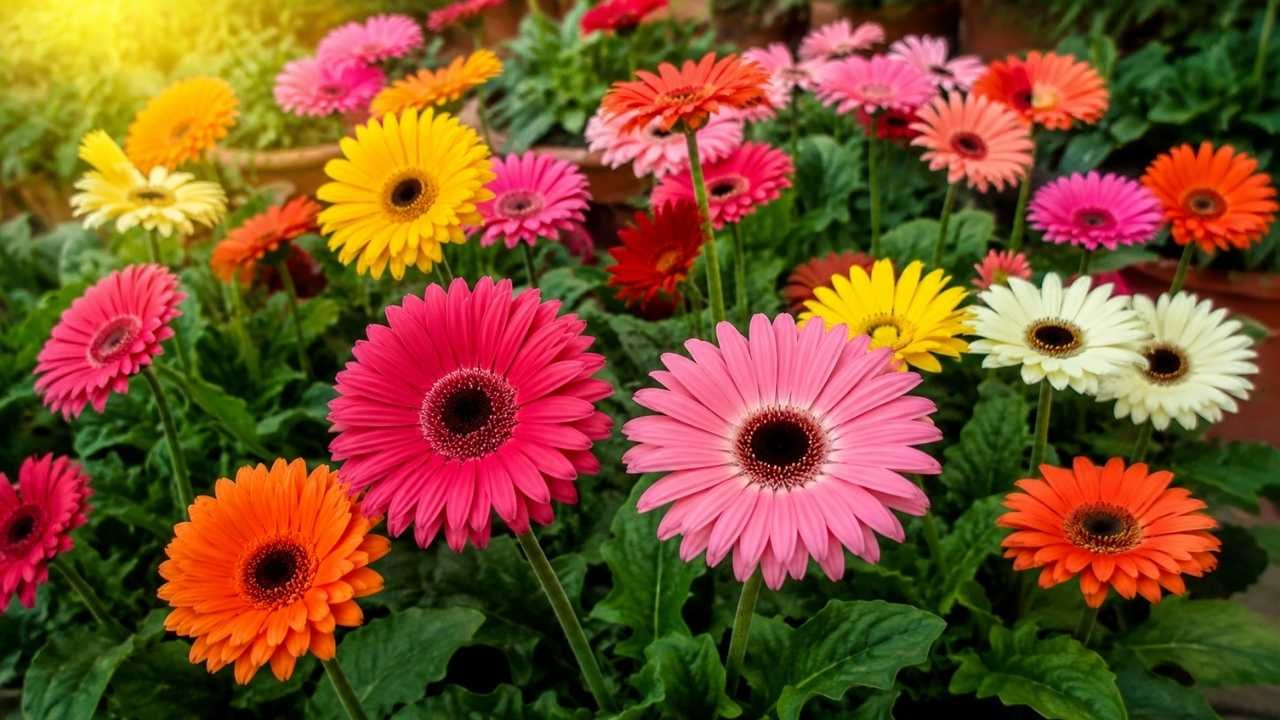
Barberton Daisy Care Guide: Barberton Daisy is one of the most eye catching flowering plants you can grow in a garden. Known for its large colorful blooms and cheerful appearance, this beautiful plant instantly adds life and energy to outdoor spaces. Whether planted in flower beds, borders, containers, or patio pots, Barberton Daisies create a vibrant display that attracts attention throughout their blooming season.
Gardeners love these flowers because they are available in a wide range of colors including red, pink, orange, yellow, white, and even bi colored varieties. Their daisy like blooms sit atop sturdy stems and seem to float above the foliage, creating a bright and elegant look.
Although Barberton Daisies are often admired for their beauty, many people hesitate to grow them because they believe they require special care. In reality, these flowers are relatively easy to maintain when provided with the right growing conditions. Understanding their basic needs can help you enjoy healthy plants and continuous blooms for months.
This complete care guide covers everything you need to know about growing Barberton Daisies successfully, from planting and watering to fertilizing and dealing with common problems.
Understanding the Barberton Daisy
Barberton Daisy belongs to the Gerbera family and is commonly known as Gerbera Daisy. Native to South Africa, these flowers have become popular around the world due to their striking appearance and long lasting blooms.
The flowers feature large petals arranged around a central disk, creating the classic daisy shape that gardeners adore. Depending on the variety, blooms can range from a few inches to over five inches across.
One of the reasons Barberton Daisies are so popular is their versatility. They can be grown outdoors in gardens, indoors as houseplants, or in decorative containers. Their ability to brighten almost any space makes them a favorite choice among beginner and experienced gardeners alike.
Choosing the Right Location
Selecting the proper location is one of the most important steps in growing healthy Barberton Daisies.
These plants thrive in areas that receive plenty of sunlight. Ideally, they should get at least six hours of direct sunlight each day. Morning sunlight is particularly beneficial because it encourages strong growth while reducing the risk of excessive heat stress during the afternoon.
In regions with extremely hot summers, partial shade during the hottest part of the day can help protect the flowers and foliage from scorching.
Good air circulation is equally important. Proper airflow reduces humidity around the plant and helps prevent fungal diseases that can affect leaves and blooms.
When choosing a planting location, avoid areas where water tends to collect after rainfall. Barberton Daisies dislike soggy conditions and may develop root problems if left in overly wet soil.
Soil Requirements
Healthy soil plays a major role in the success of Barberton Daisies.
These flowers prefer well drained soil that allows excess water to move away from the roots quickly. Heavy clay soil often retains too much moisture and can lead to root rot.
A rich, fertile soil amended with compost or organic matter provides ideal growing conditions. Organic material improves drainage while supplying valuable nutrients that support vigorous growth.
The soil should be slightly acidic to neutral. Maintaining balanced soil conditions helps the plant absorb nutrients more effectively and encourages abundant flowering.
Before planting, loosen the soil thoroughly and mix in compost to improve structure and fertility.
Planting Barberton Daisies
Proper planting sets the foundation for long term success.
When planting young Barberton Daisy seedlings, dig a hole slightly larger than the root ball. Place the plant carefully into the hole, ensuring that the crown remains just above soil level.
Planting too deeply can cause moisture to accumulate around the crown, increasing the risk of rot.
Space multiple plants adequately apart to allow room for growth and proper air circulation. Crowded plants are more susceptible to disease and may not bloom as freely.
After planting, water thoroughly to help settle the soil around the roots and eliminate air pockets.
Watering Needs
Water management is crucial when caring for Barberton Daisies.
These plants appreciate consistent moisture but do not tolerate waterlogged conditions. The goal is to keep the soil evenly moist without making it soggy.
During active growth and flowering, water deeply whenever the top layer of soil begins to dry out. Deep watering encourages stronger root development and improves drought tolerance.
It is generally better to water at the base of the plant rather than overhead. Wet foliage can create favorable conditions for fungal diseases.
Container grown plants may require more frequent watering because pots dry out faster than garden soil.
During cooler seasons or periods of reduced growth, watering can be decreased accordingly.
Sunlight Requirements
Barberton Daisies thrive when they receive adequate sunlight.
Bright light encourages healthy foliage, sturdy stems, and abundant blooms. Plants grown in insufficient light often become weak and produce fewer flowers.
In moderate climates, full sun is usually ideal. However, in areas with intense summer heat, providing some afternoon shade can help protect the flowers from stress.
Monitoring the plant’s response to sunlight is important. If leaves appear scorched or blooms fade quickly, slight shade during peak afternoon hours may improve performance.
Fertilizing for Healthy Blooms
Regular feeding helps Barberton Daisies maintain strong growth and continuous flowering.
A balanced fertilizer applied throughout the growing season can provide the nutrients necessary for healthy development.
Many gardeners prefer using a water soluble fertilizer every few weeks during active growth. Slow release fertilizers can also be effective and require less frequent application.
Avoid excessive nitrogen, as it may encourage lush foliage growth at the expense of flower production.
Adding compost around the plants periodically can further improve soil fertility and support long term plant health.
Growing Barberton Daisies in Containers
Container gardening is an excellent option for Barberton Daisies.
Growing these flowers in pots allows gardeners to enjoy their vibrant colors on patios, balconies, porches, and indoor spaces.
Choose a container with adequate drainage holes to prevent water accumulation. A high quality potting mix designed for flowering plants provides excellent growing conditions.
Containers should be large enough to accommodate root development while maintaining stability for the plant.
Regular watering and feeding are especially important for potted specimens because nutrients and moisture are depleted more quickly than in garden beds.
Container grown Barberton Daisies can also be moved easily to protect them from harsh weather conditions.
Pruning and Deadheading
Routine maintenance helps keep Barberton Daisies looking their best.
Deadheading involves removing faded flowers before they begin producing seeds. This practice encourages the plant to direct energy toward producing new blooms rather than seed development.
Use clean garden scissors or pruning shears to cut spent flower stems near the base.
Removing damaged or yellowing leaves also improves appearance and promotes better air circulation.
Regular grooming not only enhances visual appeal but can significantly extend the flowering season.
Seasonal Care Tips
Barberton Daisies benefit from seasonal adjustments in care.
During spring, focus on encouraging new growth through proper watering, fertilization, and planting.
Summer requires careful monitoring of moisture levels, particularly during hot and dry periods. Additional watering may be necessary to prevent stress.
In autumn, flowering may gradually slow down. Reducing fertilizer applications allows plants to prepare for cooler temperatures.
Winter care depends on local climate conditions. In frost free regions, plants may continue growing year round. In colder areas, protection from freezing temperatures becomes essential.
Winter Protection
Barberton Daisies are sensitive to frost and freezing temperatures.
Gardeners in cooler climates often treat them as annuals, while those in milder regions can grow them as perennials.
Applying mulch around the base of outdoor plants helps insulate roots during cooler weather.
Container plants can be moved indoors or into sheltered locations before frost arrives.
When grown indoors during winter, place plants near a bright window where they can continue receiving sufficient light.
Common Pests
Like many flowering plants, Barberton Daisies can occasionally attract pests.
Aphids are among the most common insects affecting these flowers. They feed on plant sap and can cause distorted growth.
Spider mites may appear during hot, dry conditions and often create fine webbing on leaves.
Whiteflies can also become problematic, especially in greenhouse or indoor environments.
Regular inspection allows gardeners to identify infestations early. Mild pest problems can often be managed by washing plants with water or using insecticidal soap.
Maintaining healthy plants is one of the best defenses against pest issues.
Common Diseases
Barberton Daisies can experience several disease related challenges if growing conditions are unfavorable.
Powdery mildew is a fungal disease that appears as a white coating on leaves.
Root rot often develops when soil remains excessively wet for prolonged periods.
Leaf spot diseases may create brown or dark lesions on foliage.
Good air circulation, proper watering practices, and well drained soil significantly reduce the likelihood of disease.
Removing infected plant material promptly helps prevent problems from spreading.
Encouraging More Flowers
Every gardener wants more blooms, and several simple techniques can help maximize flowering.
Providing adequate sunlight remains one of the most important factors.
Regular deadheading encourages continued flower production throughout the season.
Consistent watering and balanced fertilization support healthy growth and flowering.
Avoid allowing plants to become overcrowded, as competition for resources can reduce bloom production.
Healthy, stress free plants naturally produce more flowers and maintain longer blooming periods.
Propagating Barberton Daisies
Propagation allows gardeners to expand their collection without purchasing additional plants.
Division is one of the easiest methods. Mature plants can be carefully divided during the growing season, ensuring each section has healthy roots and foliage.
Seeds can also be used to grow new plants, although resulting flowers may vary from the parent plant.
When starting from seed, provide warm temperatures and consistent moisture to encourage germination.
Patience is important, as seedlings require time to develop before producing flowers.
Landscape Design Ideas
Barberton Daisies are incredibly versatile in landscape design.
They create stunning displays when planted in masses, producing vibrant blocks of color across garden beds.
Their bright blooms pair beautifully with ornamental grasses, flowering perennials, and low growing ground covers.
Container arrangements featuring mixed flower colors can create eye catching focal points on patios and entryways.
These daisies also work wonderfully in cottage gardens, modern landscapes, and pollinator friendly plantings.
Attracting Pollinators
Barberton Daisies contribute to a healthy garden ecosystem by attracting pollinators.
Bees, butterflies, and other beneficial insects frequently visit their colorful blooms in search of nectar and pollen.
Creating pollinator friendly spaces with diverse flowering plants supports local biodiversity and enhances garden productivity.
Avoiding unnecessary pesticide use further encourages beneficial insect activity.
A thriving pollinator population benefits not only flowers but also fruits and vegetables growing nearby.
Indoor Growing Success
Many gardeners enjoy growing Barberton Daisies indoors as decorative houseplants.
Bright indirect light or several hours of direct sunlight are essential for indoor success.
Place plants near south facing or east facing windows whenever possible.
Indoor humidity levels should remain moderate, and overwatering should be avoided.
Rotating the plant occasionally ensures even growth and prevents leaning toward the light source.
With proper care, indoor Barberton Daisies can provide colorful blooms for extended periods.
Why Gardeners Love Barberton Daisies
There are many reasons these flowers continue to be favorites around the world.
Their vibrant colors create instant visual impact.
The blooms are long lasting and suitable for cutting gardens.
They adapt well to both garden beds and containers.
Their relatively simple care requirements make them accessible to beginners.
Most importantly, Barberton Daisies bring a sense of joy and brightness that few flowers can match.
Final Thoughts
Barberton Daisies are among the most cheerful and rewarding flowers a gardener can grow. Their brilliant colors, elegant blooms, and versatile nature make them a wonderful addition to nearly any landscape or container garden.
By providing plenty of sunlight, well drained soil, consistent watering, and regular maintenance, gardeners can enjoy healthy plants and spectacular blooms throughout the growing season. Whether you are a beginner planting your first flower bed or an experienced gardener looking to add vibrant color to your outdoor space, Barberton Daisies offer beauty, charm, and lasting appeal.
With the right care and attention, these stunning flowers will continue to brighten your garden year after year, creating a lively and welcoming environment filled with color and natural beauty.
