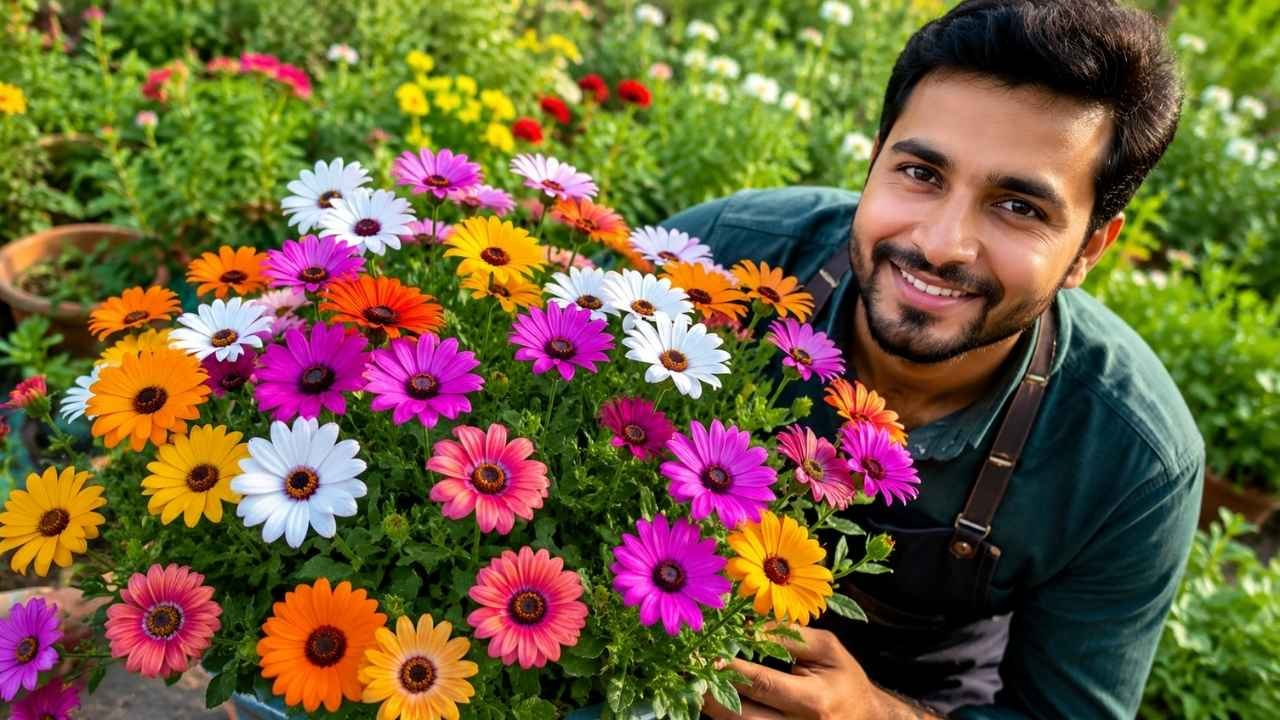
Transvaal Daisy Care Guide: Few flowering plants bring as much color and cheer to a garden as the Transvaal Daisy. Known for its bright, eye catching blooms and long flowering season, this beloved ornamental plant has become a favorite among gardeners around the world. Whether grown in garden beds, borders, containers, or as indoor décor, the Transvaal Daisy offers a stunning display that instantly brightens any space.
Native to South Africa, the Transvaal Daisy is admired for its large daisy like flowers that come in an impressive range of colors. Shades of red, pink, orange, yellow, white, and even bi colored varieties create a vibrant visual impact that few other flowering plants can match. Its popularity continues to grow because it combines beauty with relatively simple care requirements.
For both beginners and experienced gardeners, learning how to properly care for Transvaal Daisies can lead to months of spectacular blooms. Understanding their sunlight needs, watering requirements, soil preferences, and seasonal care will help ensure healthy growth and abundant flowering throughout the year.
This comprehensive guide explores everything you need to know about growing and maintaining Transvaal Daisies successfully.
Understanding the Transvaal Daisy
The Transvaal Daisy belongs to the Gerbera genus and is commonly known as Gerbera Daisy. Its name originates from the Transvaal region of South Africa, where the species naturally occurs. The plant is treasured for its large flower heads that sit atop sturdy stems rising above attractive green foliage.
Each bloom consists of multiple layers of petals surrounding a prominent central disk. Depending on the variety, flowers may be single, semi double, or fully double. Their striking appearance makes them a popular choice for landscaping, floral arrangements, and decorative container gardening.
Transvaal Daisies are perennial plants in warm climates, although they are often grown as annuals in regions with colder winters. Under suitable conditions, they can provide continuous color from spring through autumn.
Why Gardeners Love Transvaal Daisies
One reason for the widespread popularity of Transvaal Daisies is their incredible diversity of colors. Few flowering plants offer such a broad palette, allowing gardeners to create vibrant displays that suit any design style.
Another attractive feature is their long blooming period. With proper care, plants continue producing flowers for several months, ensuring consistent garden interest throughout the growing season.
These flowers also make exceptional cut blooms. Their sturdy stems and long vase life make them highly valued in floral arrangements. Freshly cut flowers can remain attractive indoors for more than a week when properly maintained.
Additionally, Transvaal Daisies attract beneficial pollinators such as bees and butterflies. By planting them in your garden, you contribute to a healthier ecosystem while enjoying their visual beauty.
Choosing the Right Location
Selecting an appropriate planting location plays a major role in the success of Transvaal Daisies. These plants thrive when they receive abundant sunlight and good air circulation.
In cooler climates, full sun is ideal. Six to eight hours of direct sunlight daily encourages vigorous growth and abundant flowering. In hotter regions, some afternoon shade can help protect blooms from excessive heat stress.
Avoid planting in low lying areas where water tends to collect. Poor drainage can quickly lead to root problems and plant decline. Elevated beds or well drained garden locations are often the best choice.
When growing in containers, place pots where they can receive bright light throughout most of the day. A sunny patio, balcony, or garden terrace can provide excellent growing conditions.
Soil Requirements
Healthy soil forms the foundation for thriving Transvaal Daisies. These plants prefer loose, fertile, and well drained soil rich in organic matter.
Heavy clay soils often retain too much moisture and can create unfavorable conditions for root development. If your garden contains dense soil, consider improving it with compost, aged manure, or other organic materials before planting.
The ideal soil pH ranges from slightly acidic to neutral. Well balanced soil promotes nutrient absorption and supports strong plant growth.
Container grown plants perform best in high quality potting mixes designed for flowering plants. Such mixes typically provide good drainage while retaining enough moisture for healthy development.
Planting Transvaal Daisies
Proper planting techniques help establish strong, healthy plants. Begin by preparing the soil thoroughly and removing weeds or debris from the planting area.
Dig a hole slightly larger than the root ball. Position the plant so that its crown remains just above the soil surface. Planting too deeply can encourage crown rot and other moisture related problems.
After placing the plant in the hole, gently backfill with soil and firm it lightly around the roots. Water thoroughly to eliminate air pockets and help roots settle into their new environment.
When planting multiple specimens, allow adequate spacing between plants. Good airflow reduces disease risk and promotes healthier growth.
Watering Guidelines
Water management is one of the most important aspects of Transvaal Daisy care. These plants appreciate consistent moisture but dislike soggy conditions.
Water deeply whenever the top layer of soil begins to dry. Deep watering encourages roots to grow downward, resulting in stronger and more drought tolerant plants.
Avoid frequent shallow watering, which can weaken root systems over time. Instead, provide thorough irrigation when needed.
Try to water at the base of the plant rather than overhead. Wet foliage can increase the likelihood of fungal diseases. Morning watering is generally preferable because it allows excess moisture to evaporate during the day.
Container grown plants often require more frequent watering than those planted in garden beds, especially during hot weather.
Fertilizing for Healthy Growth
Regular feeding helps Transvaal Daisies produce lush foliage and abundant flowers. A balanced fertilizer formulated for flowering plants can support healthy development throughout the growing season.
Apply fertilizer according to product instructions, typically every few weeks during active growth. Excessive fertilization should be avoided because it may encourage leafy growth at the expense of flowers.
Organic options such as compost, worm castings, and fish emulsion can also provide valuable nutrients while improving overall soil health.
Monitoring plant appearance can help identify nutrient deficiencies. Pale leaves or reduced flowering may indicate the need for supplemental feeding.
Mulching Benefits
Adding mulch around Transvaal Daisies offers several advantages. Organic mulch helps conserve soil moisture, suppress weeds, and regulate soil temperature.
Apply a thin layer around the base of plants while keeping mulch away from direct contact with stems and crowns. This reduces the risk of moisture related diseases.
As organic mulch gradually breaks down, it contributes valuable nutrients to the soil, further supporting plant health.
Mulching is particularly beneficial during hot summer months when soil moisture can evaporate rapidly.
Pruning and Deadheading
Routine maintenance keeps Transvaal Daisies looking their best throughout the growing season. One of the most effective practices is deadheading spent flowers.
Removing faded blooms encourages the plant to direct energy toward producing new flowers rather than forming seeds. This simple task can significantly extend the flowering period.
Prune away yellowing or damaged leaves whenever they appear. Keeping plants tidy improves appearance and enhances air circulation.
Regular inspection allows gardeners to identify potential issues early and maintain vigorous, attractive plants.
Common Pests and How to Manage Them
Like many garden plants, Transvaal Daisies can occasionally attract pests. Aphids, spider mites, whiteflies, and thrips are among the most common visitors.
Routine monitoring helps detect infestations before they become severe. A strong spray of water may remove small populations of pests from leaves and stems.
Insecticidal soaps and neem based products can provide effective control when necessary. Encouraging beneficial insects such as ladybugs also helps maintain natural balance within the garden.
Healthy plants are generally more resistant to pest problems, making proper care an important preventive measure.
Disease Prevention
Good cultural practices play a crucial role in preventing disease. Most problems arise from excessive moisture, poor air circulation, or unfavorable growing conditions.
Root rot, crown rot, and powdery mildew are among the issues that may affect Transvaal Daisies. Ensuring proper drainage and avoiding overwatering greatly reduces these risks.
Remove infected plant material promptly to prevent disease spread. Maintaining adequate spacing between plants also promotes healthier growing conditions.
Regular observation allows gardeners to respond quickly if symptoms appear.
Growing Transvaal Daisies in Containers
Container gardening offers an excellent way to enjoy Transvaal Daisies even when garden space is limited. Choose pots with drainage holes and use a well draining potting mix.
Containers allow flexibility in placement and make it easier to protect plants from extreme weather conditions. They are ideal for patios, balconies, courtyards, and entryways.
Regular watering and feeding are especially important for container grown plants because nutrients and moisture are depleted more quickly than in garden beds.
With proper care, potted Transvaal Daisies can produce impressive floral displays throughout the growing season.
Conclusion
Transvaal Daisies continue to captivate gardeners with their brilliant colors, elegant blooms, and long flowering season. Their versatility makes them suitable for a wide range of gardening styles, from formal landscapes to casual container displays.
By providing adequate sunlight, well drained soil, proper watering, and regular maintenance, gardeners can enjoy healthy plants and continuous blooms for many months. Whether you are creating a vibrant flower bed or adding color to a patio container, Transvaal Daisies reward your efforts with exceptional beauty and lasting charm.
With the right care and attention, these remarkable flowers can become one of the most rewarding highlights of any garden.
