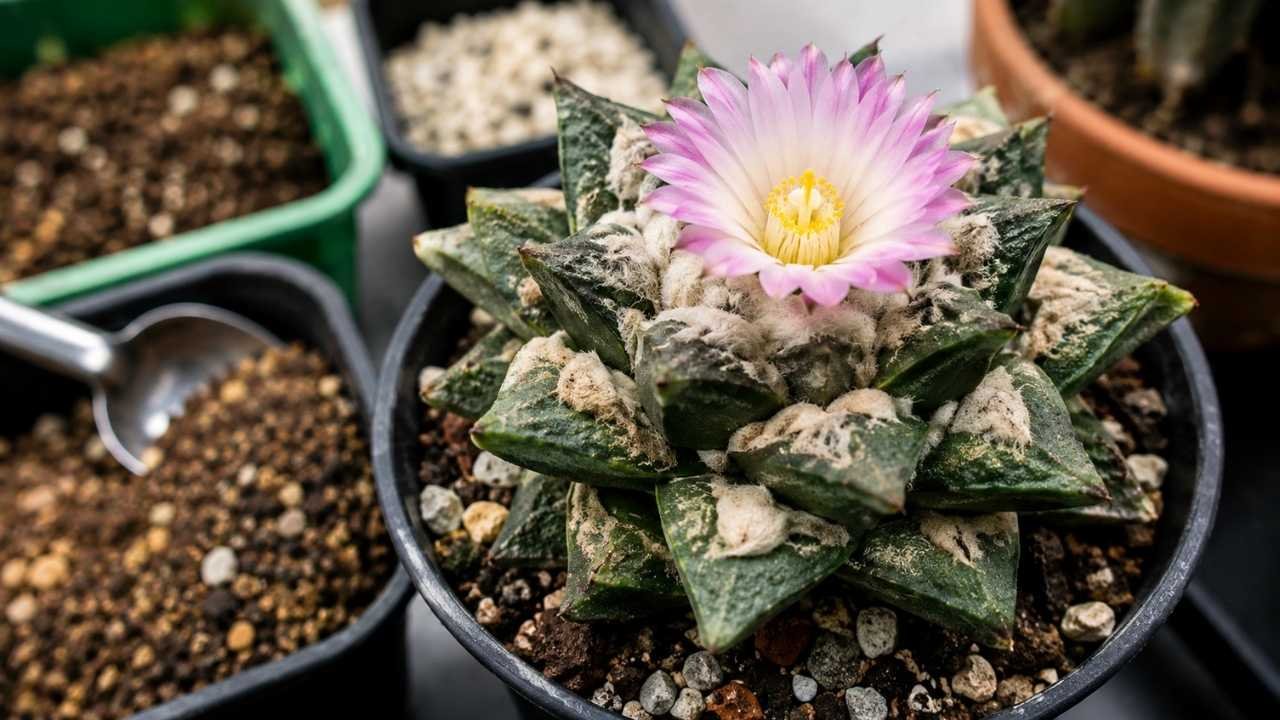
Ariocarpus Cactus Care Guide: Ariocarpus is one of the most fascinating and sought after cactus genera in the world. Unlike the stereotypical cactus covered in sharp spines, Ariocarpus species are known for their unusual appearance, slow growth, and remarkable beauty. Their textured triangular tubercles create a sculptural look that often resembles stone formations rather than living plants. This unique characteristic has earned them a special place among collectors and succulent enthusiasts.
Native to the arid regions of Mexico and parts of Texas, Ariocarpus plants have adapted to some of the harshest growing conditions on earth. These cacti thrive in rocky limestone soils, endure intense sunlight, and survive long periods without rainfall. While they may seem intimidating to beginners, growing healthy Ariocarpus plants becomes much easier once you understand their natural habitat and basic care requirements.
The key to success lies in providing the right balance of soil drainage, watering practices, sunlight exposure, and patience. Since Ariocarpus is an extremely slow growing cactus, it rewards careful growers with stunning flowers and decades of longevity.
This comprehensive guide covers everything you need to know about cultivating Ariocarpus successfully, from choosing the ideal soil mix to preventing common problems and encouraging healthy growth.
Understanding Ariocarpus Cactus
Before diving into care instructions, it helps to understand what makes Ariocarpus different from other cactus species.
Most cacti rely on thick stems and spines for survival. Ariocarpus, however, has evolved a unique structure consisting of fleshy tubercles arranged in rosette patterns. These tubercles store water and help the plant survive drought conditions.
The root system is another distinctive feature. Ariocarpus develops a large taproot that serves as a reservoir for water and nutrients. This adaptation allows the plant to withstand extended dry periods in its native environment.
Because of this specialized root system, Ariocarpus requires different cultivation methods compared to many common cacti. Excess moisture around the roots can quickly lead to rot, making proper soil and watering practices absolutely essential.
Despite their slow growth rate, these cacti can live for many decades and become valuable specimens over time. Mature plants often produce beautiful pink, white, or magenta flowers that emerge from the center of the plant, creating a spectacular display.
Choosing the Right Soil for Ariocarpus
Soil quality is arguably the most important factor in Ariocarpus cultivation.
In nature, these cacti grow in rocky limestone terrain where water drains rapidly. Their roots are rarely exposed to prolonged moisture. Replicating these conditions in cultivation significantly improves plant health.
A well draining mineral based soil mix is ideal. Many experienced growers use a blend containing pumice, coarse sand, lava rock, crushed granite, and a small amount of organic material.
A typical mix may contain:
70 to 90 percent mineral components
10 to 30 percent organic matter
The goal is to create a growing medium that dries quickly after watering while still retaining enough moisture for root absorption.
Heavy garden soil should be avoided because it holds excessive moisture and increases the risk of root rot. Standard potting soil alone is also unsuitable due to poor drainage.
Adding crushed limestone can be beneficial because Ariocarpus naturally grows in alkaline environments. This helps mimic the conditions found in its native habitat.
When preparing soil, always prioritize drainage over water retention. It is safer for Ariocarpus to dry out slightly than to remain wet for too long.
Selecting the Best Pot
The choice of container plays a significant role in successful cultivation.
Because Ariocarpus develops a substantial taproot, deeper pots are generally preferred over shallow containers. The root needs enough space to grow downward naturally.
Clay or terracotta pots are often recommended because they allow excess moisture to evaporate through the sides. This additional airflow helps reduce the chances of overwatering related problems.
Plastic pots can also be used successfully, but they tend to retain moisture for longer periods. If using plastic containers, growers should pay extra attention to watering frequency.
Regardless of the material, the pot must have adequate drainage holes. Water should never accumulate at the bottom of the container.
Repotting is usually required every few years as the plant grows. Since Ariocarpus grows slowly, frequent repotting is unnecessary and may even stress the plant.
Light Requirements for Healthy Growth
Ariocarpus enjoys bright conditions and benefits from plenty of sunlight.
In its native environment, the plant receives intense light throughout much of the year. However, cultivated specimens may require some protection from extreme afternoon sun, particularly in very hot climates.
Outdoor plants generally perform best when exposed to several hours of direct morning sunlight followed by filtered afternoon light.
Indoor growers should place Ariocarpus near a bright south facing or west facing window where it can receive maximum natural light.
Insufficient light often results in weak growth, poor coloration, and reduced flowering. Plants may also lose their compact appearance when they do not receive adequate sunlight.
If natural light is limited, supplemental grow lights can be used to maintain healthy development.
The key is consistency. Sudden changes in light intensity should be avoided because they can stress the plant and cause sunburn.
Watering Ariocarpus Correctly
Watering is where many growers encounter difficulties.
The most common mistake is watering too frequently.
Ariocarpus is highly adapted to drought and prefers a dry environment for much of the year. Its taproot stores water efficiently, allowing the plant to survive extended periods without irrigation.
During the active growing season, watering should be thorough but infrequent. Allow the soil to dry completely before watering again.
A good approach is to soak the soil thoroughly and then wait until the growing medium has become entirely dry. This method encourages healthy root development and closely resembles natural rainfall patterns.
During hot summer weather, watering intervals may vary depending on temperature, humidity, and pot size.
In winter, watering should be drastically reduced. Many growers keep their Ariocarpus nearly dry during dormancy. Excess moisture combined with cool temperatures is one of the leading causes of root rot.
Always observe the plant and soil rather than following a strict watering schedule. Environmental conditions change throughout the year, making flexibility essential.
Temperature and Climate Preferences
Ariocarpus is surprisingly resilient when grown under suitable conditions.
Warm temperatures during the growing season promote healthy development and root activity. Daytime temperatures between 20°C and 35°C are generally well tolerated.
The plant also appreciates cooler nights, which help mimic natural desert conditions.
During winter dormancy, lower temperatures can be beneficial as long as the soil remains dry. Many species tolerate cool conditions better than prolonged dampness.
Frost protection is important, particularly for young plants. Extended exposure to freezing temperatures can damage tissues and roots.
Good air circulation is equally valuable. Stagnant air combined with excessive humidity may encourage fungal issues and other problems.
Fertilizing Ariocarpus
Ariocarpus has relatively modest nutritional requirements.
In nature, these plants survive in nutrient poor environments where organic matter is scarce. Overfertilizing can cause unnatural growth and potentially weaken the plant.
A diluted cactus fertilizer applied occasionally during the active growing season is usually sufficient.
Low nitrogen formulas are generally preferred because they support balanced development without encouraging excessive soft growth.
Fertilizer should never be applied to dry roots. Water the plant lightly before feeding to reduce the risk of root damage.
Many experienced growers fertilize only a few times per year and still achieve excellent results.
Encouraging Flowering
One of the most rewarding aspects of growing Ariocarpus is witnessing its flowers.
Mature plants typically bloom during autumn, producing vibrant blossoms that contrast beautifully with their textured bodies.
Several factors contribute to successful flowering:
Adequate sunlight
Proper seasonal dormancy
Balanced watering
Healthy root development
Patience
Because Ariocarpus grows slowly, younger specimens may require several years before flowering for the first time.
Providing a cool and relatively dry winter rest period often improves blooming performance in mature plants.
The flowers may remain open for several days and become the highlight of any cactus collection.
Common Problems and Solutions
Root rot remains the most serious threat to Ariocarpus health.
Symptoms include softness, discoloration, and an unpleasant odor around the root zone. Prevention is far easier than treatment.
Using fast draining soil and practicing careful watering significantly reduces the risk.
Sunburn can occur if plants are suddenly exposed to intense sunlight. Gradual acclimation helps prevent tissue damage.
Pests such as mealybugs may occasionally attack roots or new growth. Regular inspections allow early detection and treatment.
Poor growth is often linked to insufficient light, compacted soil, or improper watering habits.
Most issues can be avoided by recreating the dry, mineral rich conditions that Ariocarpus experiences in the wild.
Conclusion
Ariocarpus is a remarkable cactus that combines beauty, rarity, and longevity in a single plant. Although it has a reputation for being challenging, successful cultivation is achievable when its natural habitat is understood and respected.
The foundation of healthy growth lies in excellent drainage, careful watering, bright light, and patience. By focusing on these core principles, growers can enjoy thriving plants that remain attractive for decades.
Whether you are a beginner exploring unusual succulents or an experienced collector seeking a unique specimen, Ariocarpus offers an incredibly rewarding growing experience. With proper care and attention, these extraordinary cacti can become treasured highlights of any collection.
