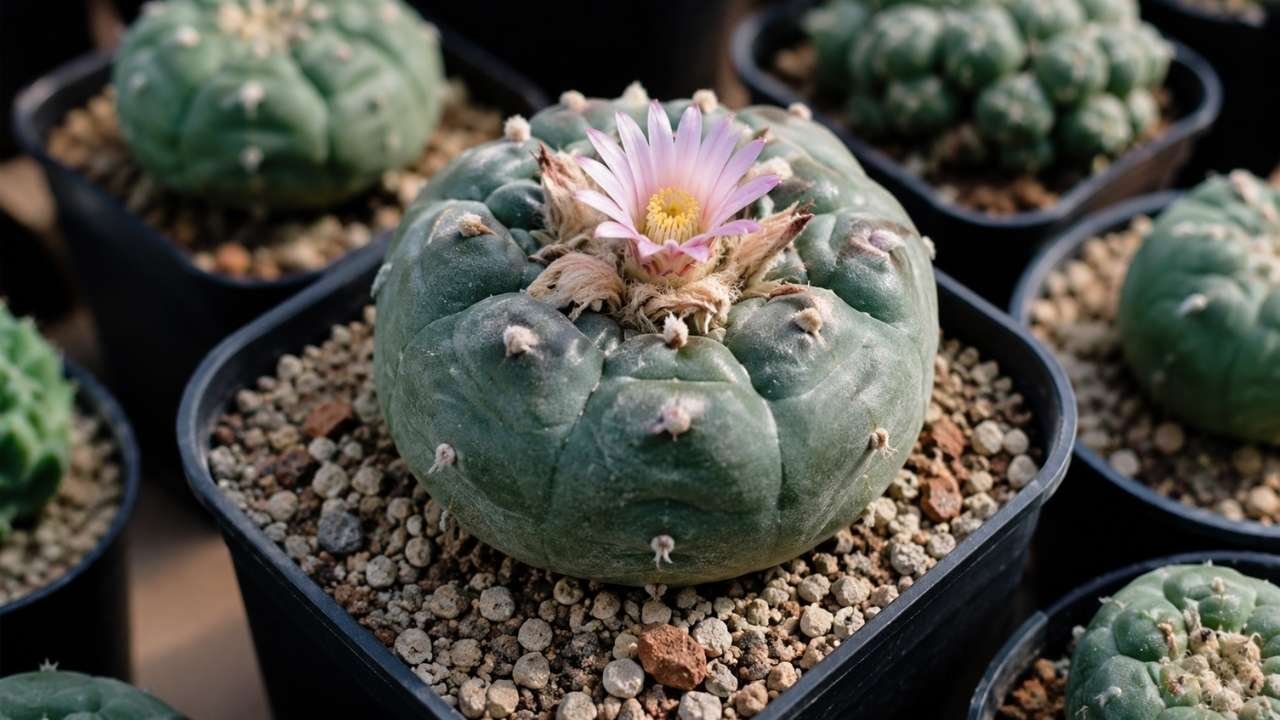
Lophophora Cactus Care Guide: The Lophophora cactus is one of the most fascinating plants in the cactus world. Known for its unusual appearance, slow growth, and rich cultural history, this small desert cactus has attracted botanists, collectors, conservationists, and plant enthusiasts for generations. Unlike many cacti that develop towering stems or dramatic spines, Lophophora species remain compact, rounded, and understated. Their beauty lies in their simplicity.
Native to arid regions of North America, particularly parts of northern Mexico and the southern United States, these cacti have adapted to some of the harshest environments on the continent. Their ability to survive intense heat, prolonged drought, and nutrient poor soils makes them remarkable examples of natural adaptation.
Today, interest in Lophophora extends beyond botanical circles. Discussions about conservation, cultural significance, habitat loss, and legal protection have made these plants the subject of global attention. Understanding the genus requires more than recognizing its appearance. It involves appreciating its ecological role, cultural history, and the challenges it faces in the wild.
This guide explores identification features, natural habitat, general care considerations, conservation concerns, and practical uses while encouraging responsible and ethical appreciation of these unique desert plants.
Understanding the Lophophora Genus
Lophophora belongs to the cactus family and consists of a small group of species adapted to dry environments. These cacti are generally characterized by their rounded shape, soft texture, and absence of prominent spines.
Most species remain relatively small throughout their lives. Instead of growing tall, they stay close to the ground, where they benefit from protection against harsh desert conditions. Their flattened growth form helps reduce moisture loss and minimizes exposure to extreme sunlight.
One of the most striking features of the genus is its subtle appearance. Unlike many ornamental cacti that rely on dramatic spines or unusual shapes, Lophophora species blend naturally into their surroundings. This camouflage serves as a survival strategy in the wild.
Because of their slow development, mature specimens are often significantly older than they appear. A plant only a few centimeters across may have taken many years to reach its current size.
How to Identify a Lophophora Cactus
Accurate identification is important for collectors, researchers, and conservationists. While species can vary slightly, several common characteristics help distinguish Lophophora from other cacti.
The body is usually round or slightly flattened and consists of soft, fleshy tissue. The color ranges from blue green to gray green depending on environmental conditions and species variation.
Instead of sharp spines, the plant displays small woolly areoles. These soft tufts often appear along the ribs and create a distinctive texture. The ribs themselves are generally broad and gently defined rather than sharply segmented.
Flowers are another useful identification feature. They are typically small and delicate, appearing in shades of white, pale pink, or light pink. Flowering often occurs near the center of the plant.
The root system is also noteworthy. Many Lophophora species possess a substantial taproot that stores water and nutrients, allowing survival during prolonged drought periods.
Because several related cactus species can appear similar, identification should be approached carefully and, when necessary, verified through botanical references or expert consultation.
Natural Habitat and Distribution
Lophophora species thrive in some of the driest landscapes in North America. Their natural range includes desert and semi desert regions characterized by intense sunlight, limited rainfall, and rocky terrain.
These cacti frequently grow among shrubs, grasses, and limestone formations. Rather than occupying open spaces, they often seek protection beneath larger plants that provide partial shade and shelter from extreme temperatures.
The soil in their native habitat is typically mineral rich and exceptionally well drained. Water rarely remains around the roots for extended periods, reducing the risk of rot and disease.
Seasonal rainfall patterns play an important role in growth cycles. Long dry periods may be interrupted by brief but significant rainfall events that replenish soil moisture and stimulate biological activity.
Habitat conditions have shaped every aspect of the plant’s biology, from its compact size to its water storage capabilities.
Adaptations for Desert Survival
The success of Lophophora in harsh desert environments is the result of remarkable evolutionary adaptations.
One of the most important adaptations is water conservation. The thick body acts as a reservoir, storing moisture during favorable conditions and gradually using it during drought.
The plant’s compact form minimizes surface area, reducing water loss through evaporation. Its muted coloration also helps reflect intense sunlight while blending into surrounding rocks and soil.
A deep root system allows access to moisture stored beneath the surface. During extended dry periods, these roots become essential for survival.
Growth rates are intentionally slow. While rapid growth might seem advantageous, slow development allows the plant to allocate resources efficiently in environments where nutrients and water are limited.
These adaptations collectively enable survival in regions where many other plant species would struggle.
General Care Considerations
People interested in maintaining legally owned cactus collections often admire Lophophora for its unique appearance and longevity. However, responsible ownership begins with understanding local laws and regulations.
General horticultural principles for desert cacti emphasize appropriate light exposure, excellent drainage, moderate airflow, and avoidance of prolonged moisture around roots.
Environmental stability is also important. Sudden changes in temperature, excessive humidity, or poorly drained growing conditions can create stress for desert adapted plants.
Because Lophophora species grow slowly, patience is essential. Their development is measured over years rather than months, making them particularly appealing to collectors who appreciate long term plant care.
Rather than focusing on rapid growth, successful caretakers prioritize plant health, environmental balance, and conservation minded practices.
Growth Patterns and Life Cycle
The life cycle of a Lophophora cactus reflects the challenges of desert living. Growth is often seasonal and influenced by temperature, moisture availability, and environmental conditions.
Young plants typically develop slowly. Even under favorable circumstances, visible size increases may occur gradually over long periods.
As the plant matures, it may produce flowers and eventually seeds. Reproductive success depends on numerous factors, including pollination opportunities and environmental stability.
Older specimens may develop clusters or multiple growth points, creating attractive forms that are highly valued from a botanical perspective.
Longevity is one of the genus’s defining characteristics. Some specimens can survive for decades, making them living records of environmental history.
Flowering Characteristics
Flowering is often considered one of the most rewarding aspects of observing mature Lophophora specimens.
The flowers are generally modest in size but possess a delicate beauty that contrasts with the rugged desert environment. Their colors range from white to soft pink tones.
Flower production can vary significantly depending on environmental conditions, age, and overall plant health. Some plants flower regularly, while others may bloom less frequently.
Pollinators such as insects contribute to reproduction in natural habitats. Successful pollination can result in the formation of small fruits containing seeds.
These flowering events demonstrate the resilience of life in desert ecosystems and highlight the ecological importance of even the smallest plant species.
Conservation Challenges
Conservation has become a major concern for Lophophora populations throughout their native range.
Habitat destruction remains one of the most significant threats. Urban development, agricultural expansion, infrastructure projects, and land use changes can permanently alter the environments these cacti depend upon.
Illegal collection has also contributed to population decline in certain areas. Because of their slow growth, wild populations may require many years to recover from disturbances.
Climate change introduces additional uncertainty. Shifts in rainfall patterns, increasing temperatures, and changing ecosystem dynamics may influence long term survival.
Conservation organizations, researchers, and local communities continue working to protect natural habitats and promote sustainable management practices.
Supporting conservation efforts helps ensure future generations can appreciate these remarkable plants in their natural environment.
Cultural and Historical Significance
Few cacti possess a cultural history as extensive as Lophophora.
For centuries, certain species have held ceremonial and spiritual importance among Indigenous communities. These traditions are deeply rooted in history, identity, and cultural continuity.
Understanding this heritage requires respect and sensitivity. The cultural significance of the plant extends beyond botanical interest and reflects longstanding relationships between people and the natural world.
Anthropologists, historians, and ethnobotanists have documented these connections extensively, emphasizing the importance of preserving both cultural knowledge and biological diversity.
Recognizing this history contributes to a more complete appreciation of the genus.
Practical Uses and Modern Interest
Interest in Lophophora today spans several fields.
Botanical research benefits from studying the plant’s adaptations, growth strategies, and ecological relationships. Scientists continue investigating how desert species respond to environmental stress and changing climate conditions.
Conservation programs use Lophophora as an example of the challenges facing slow growing desert plants. Public awareness initiatives often highlight the importance of protecting fragile ecosystems.
Educational institutions may include the genus in discussions about desert ecology, biodiversity, and plant evolution.
Collectors are frequently drawn to its unusual appearance and long lifespan. For many enthusiasts, the appeal lies not in rarity but in the opportunity to observe a remarkable species over many years.
These practical applications demonstrate that the value of Lophophora extends far beyond its physical appearance.
Common Misconceptions
Several misconceptions surround the Lophophora genus.
One common belief is that all species look identical. In reality, variations exist in shape, coloration, flower characteristics, and growth habits.
Another misconception is that these plants are easy to grow rapidly. Their naturally slow development is a defining biological characteristic and should be expected.
Some people assume that all wild populations are abundant. Conservation assessments indicate that habitat pressures and collection concerns have affected certain regions.
There is also a tendency to focus solely on the plant’s historical associations while overlooking its ecological significance. In reality, Lophophora plays a meaningful role within desert ecosystems.
Addressing these misunderstandings helps promote responsible appreciation and informed discussion.
Ethical Appreciation and Responsible Ownership
Ethical plant appreciation begins with respect for biodiversity and legal regulations.
Prospective collectors should prioritize legally sourced specimens and avoid contributing to activities that threaten wild populations. Supporting responsible nurseries and conservation initiatives can make a positive difference.
Education is equally important. Learning about habitat preservation, ecological relationships, and cultural history creates a deeper understanding of the plant’s significance.
Responsible ownership is not simply about maintaining a specimen. It involves recognizing the broader environmental and cultural context in which the species exists.
This approach benefits both conservation efforts and the long term future of the genus.
Conclusion
Lophophora cacti represent a remarkable blend of biological adaptation, cultural history, and ecological importance. Their understated appearance conceals a sophisticated survival strategy developed over countless generations in some of North America’s harshest landscapes.
From their distinctive shape and slow growth to their fascinating habitat preferences and conservation challenges, these plants continue to inspire curiosity among researchers, collectors, and nature enthusiasts alike.
Understanding Lophophora requires more than identifying a cactus. It means appreciating the delicate ecosystems that support it, respecting the cultural traditions connected to it, and recognizing the responsibility that comes with preserving rare and slow growing species.
As awareness of conservation and biodiversity continues to grow, Lophophora stands as a powerful reminder that even the smallest desert plant can hold extraordinary scientific, cultural, and ecological value.
