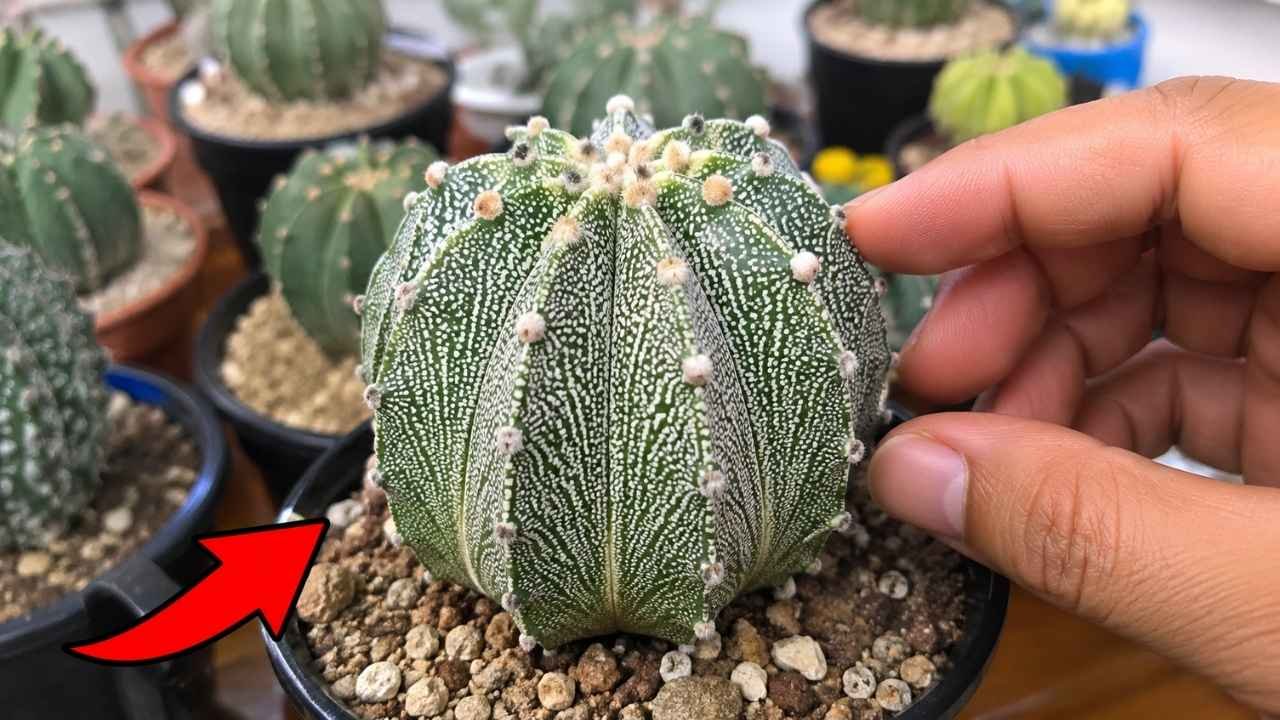
Aztekium Cactus Care Guide: Among the world’s most fascinating cacti, the Aztekium cactus stands in a class of its own. Its unusual appearance, extremely slow growth rate, and rarity have made it one of the most sought after plants among cactus collectors. Native to a small region of northeastern Mexico, this remarkable cactus has adapted to survive in harsh limestone cliffs where few other plants can thrive.
For many plant enthusiasts, growing an Aztekium cactus is both a challenge and a rewarding experience. Unlike common houseplants that grow rapidly and tolerate occasional mistakes, Aztekium species require patience, attention, and a clear understanding of their natural habitat. When properly cared for, these miniature cacti develop stunning textures, deep ridges, and delicate flowers that make them true living treasures.
This comprehensive guide covers everything you need to know about Aztekium cactus care, including growing conditions, watering requirements, soil selection, propagation methods, common problems, and expert cultivation tips.
What Is an Aztekium Cactus?
Aztekium is a small genus of rare cacti native to Mexico. The name comes from the resemblance of the plant’s ribbed structure to ancient Aztec stone carvings. These cacti are known for their distinctive geometric appearance and exceptionally slow growth.
Unlike many desert cacti that grow into large specimens, Aztekium plants remain relatively small throughout their lives. Their compact size makes them ideal for collectors who appreciate miniature succulents with extraordinary detail.
The most well known species include Aztekium ritteri, Aztekium hintonii, and Aztekium valdezii. Each species possesses unique characteristics while sharing the same general care requirements.
Natural Habitat and Growing Environment
Understanding the natural habitat of Aztekium cacti is essential for successful cultivation. These plants grow naturally on steep limestone cliffs and rocky slopes in northeastern Mexico. The environment is harsh, with intense sunlight, limited organic matter, and excellent drainage.
Rainfall is seasonal and often scarce. Water quickly drains away through cracks in the rocks, preventing prolonged moisture around the roots. Temperatures can fluctuate significantly between day and night, helping the plants adapt to challenging conditions.
When growing Aztekium at home, the goal is to recreate these natural conditions as closely as possible. This means providing plenty of light, fast draining soil, moderate watering, and good airflow.
Popular Aztekium Species
Aztekium ritteri is often considered the most iconic species. It features numerous narrow ribs and a grayish green appearance. Mature plants produce small pink flowers that add beauty to their already striking form.
Aztekium hintonii is generally larger and somewhat easier to cultivate than Aztekium ritteri. It has broader ribs and a brighter green color. This species is highly valued by collectors for its impressive appearance and relative vigor.
Aztekium valdezii is one of the newer species discovered in the wild. Its unique characteristics and limited distribution have made it particularly desirable among serious cactus enthusiasts.
Despite their differences, all Aztekium species share similar care requirements and benefit from patient cultivation.
Light Requirements
Proper lighting is one of the most important factors in Aztekium cactus care. In their natural habitat, these plants receive bright sunlight for much of the day. However, they are often partially protected by surrounding rock formations.
When grown indoors, place your Aztekium near a bright window that receives several hours of indirect or filtered sunlight. A south facing or east facing window is often ideal.
Outdoor growers should provide bright light while protecting plants from intense afternoon sun during extremely hot weather. Excessive direct sunlight can cause stress, discoloration, or sunburn.
Signs of insufficient light include stretched growth, loss of compact shape, and pale coloration. Too much direct sun may result in yellowing or brown patches on the plant’s surface.
Choosing the Right Soil
Aztekium cacti demand exceptionally well draining soil. Ordinary potting mixes retain too much moisture and can quickly lead to root rot.
A suitable soil mix typically contains a high percentage of mineral materials such as pumice, coarse sand, lava rock, crushed granite, or perlite. Only a small amount of organic matter is necessary.
The primary objective is rapid drainage. Water should move through the soil quickly while allowing roots to receive adequate oxygen.
Many experienced growers use specialized cactus mixes with added mineral components to mimic the rocky conditions found in nature.
Watering Aztekium Cactus
Watering is often the most challenging aspect of Aztekium care. Because these plants grow slowly and store moisture efficiently, they require far less water than many people expect.
During the active growing season, water thoroughly and then allow the soil to dry completely before watering again. Depending on temperature, humidity, and pot size, this may mean watering every two to four weeks.
During winter dormancy, watering should be greatly reduced. In cooler conditions, many growers water only occasionally or not at all until growth resumes in spring.
Overwatering is the most common cause of failure. Symptoms include soft tissue, discoloration, root rot, and eventual plant collapse.
Underwatering is generally less dangerous and easier to correct than excessive moisture.
Temperature and Humidity
Aztekium cacti prefer warm temperatures during the growing season. Daytime temperatures between 20 and 30 degrees Celsius are typically ideal.
These plants can tolerate cooler temperatures when kept dry. However, prolonged exposure to freezing conditions may cause severe damage.
Humidity should remain relatively low to moderate. Excessively humid environments combined with poor airflow can increase the risk of fungal diseases and rot.
Good ventilation is particularly important when growing Aztekium indoors or in greenhouses.
Fertilizing for Healthy Growth
Because Aztekium species grow naturally in nutrient poor environments, they require only minimal fertilization.
A diluted cactus fertilizer applied once or twice during the active growing season is usually sufficient. Choose a fertilizer designed specifically for cacti and succulents.
Avoid overfertilizing, as excessive nutrients can cause unnatural growth and increase susceptibility to disease.
Slow, compact growth is normal and should not be mistaken for poor health.
Repotting Aztekium Cactus
Repotting should be done infrequently. These cacti grow very slowly and often remain comfortable in the same container for several years.
When repotting becomes necessary, select a pot with excellent drainage and only slightly larger than the existing root system.
Handle the plant carefully to avoid damaging roots. After repotting, wait several days before watering to allow any damaged roots to heal.
Spring is generally considered the best time for repotting.
Propagation Methods
Propagation of Aztekium cacti can be challenging due to their slow growth and specialized requirements.
Growing from seed is the most common method. Fresh seeds are sown on a sterile, well draining substrate and maintained under controlled conditions with gentle moisture and warmth.
Germination may occur within several weeks, but seedling growth is extremely slow. Patience is essential.
Some collectors use grafting techniques to accelerate growth. By attaching an Aztekium seedling to a faster growing rootstock, development can be significantly improved. Once the plant reaches a suitable size, it may remain grafted or eventually be rooted independently.
Common Problems and Solutions
Root rot remains the most serious threat to Aztekium cacti. This condition is almost always caused by excessive moisture and inadequate drainage.
Pests such as mealybugs and spider mites occasionally attack plants, particularly those grown indoors. Regular inspections help identify problems before they become severe.
Sunburn can occur when plants are suddenly exposed to intense sunlight. Gradual acclimation helps prevent damage.
Stress from improper watering, poor soil, or inadequate lighting may result in slow decline and reduced flowering.
Expert Tips for Success
Patience is the most important quality for Aztekium growers. These plants naturally grow at an extremely slow pace and should never be forced with excessive water or fertilizer.
Use mineral rich soil with excellent drainage.
Allow the soil to dry completely between waterings.
Provide bright light without exposing plants to extreme heat.
Avoid frequent repotting.
Protect plants from prolonged cold and excessive humidity.
Monitor regularly for pests and signs of rot.
Most importantly, observe your plant closely and adjust care according to its specific needs and growing conditions.
Conclusion
The Aztekium cactus is one of the most extraordinary succulents available to collectors. Its unique appearance, remarkable adaptations, and rarity make it a prized addition to any cactus collection. Although these plants require patience and careful attention, the rewards are well worth the effort.
By providing proper lighting, well draining soil, cautious watering, and suitable temperatures, growers can enjoy healthy Aztekium specimens for many years. Whether you are an experienced cactus collector or a passionate succulent enthusiast seeking a new challenge, mastering Aztekium care offers a fascinating journey into the world of rare desert plants.
