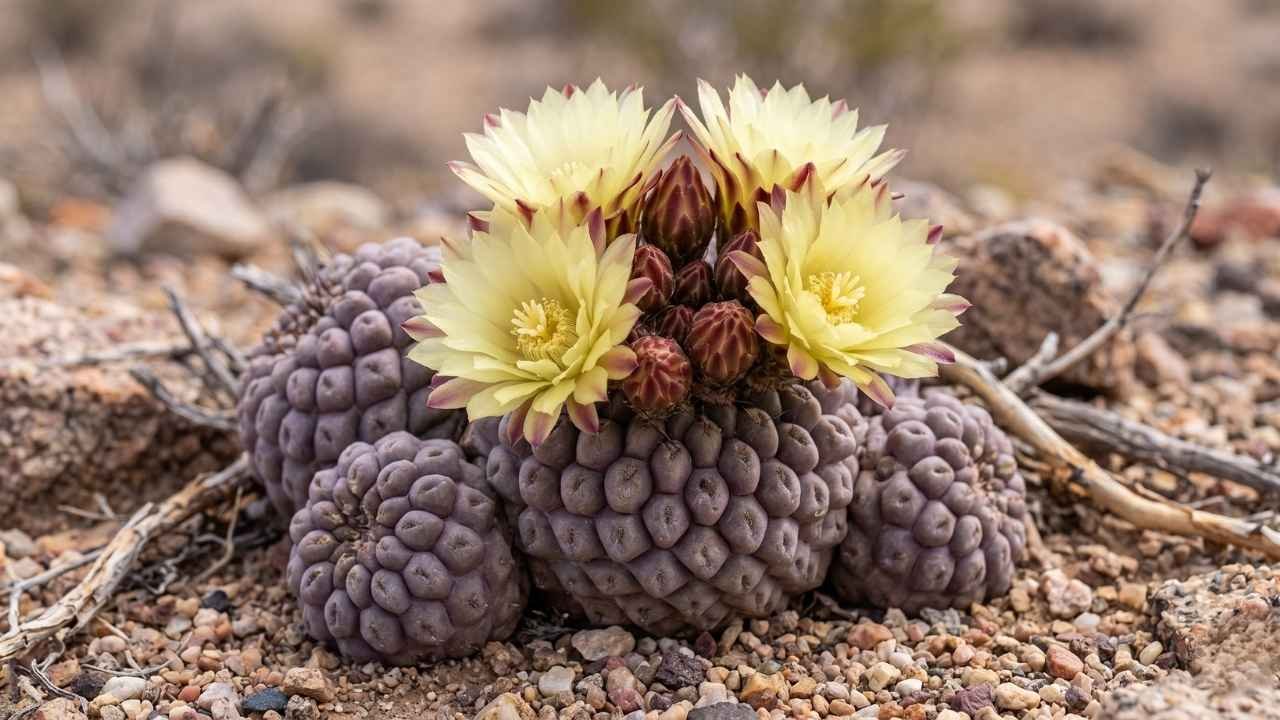
Eriosyce Cactus Care Guide: Eriosyce is a fascinating cactus genus admired by collectors for its unique appearance, remarkable resilience, and beautiful flowers. Native primarily to Chile, these cacti have evolved to survive in some of the driest and most challenging environments on Earth. Their ability to thrive in rocky landscapes and arid climates makes them an excellent choice for cactus enthusiasts seeking unusual and rewarding plants.
Although Eriosyce species vary in size, shape, and spine structure, their general care requirements are similar. By understanding their natural habitat and growth patterns, gardeners can successfully cultivate healthy plants that flourish for years. This guide explores everything you need to know about sunlight, soil, watering, fertilization, flowering, and overall maintenance.
Understanding Eriosyce Cactus
Eriosyce is a diverse genus containing numerous species, each displaying distinctive characteristics. Some plants remain small and globular throughout their lives, while others develop elongated stems as they mature. Most species feature dense spines that serve as protection from intense sunlight and grazing animals in their native environments.
These cacti are especially prized for their flowers, which often appear in vibrant shades of yellow, pink, red, white, or purple. During the blooming season, the colorful flowers create a striking contrast against the rugged appearance of the cactus body.
Because Eriosyce evolved in regions with limited rainfall and nutrient poor soils, it has developed exceptional drought tolerance and a preference for well-drained growing conditions.
Choosing the Right Sunlight Exposure
Proper sunlight is one of the most important factors in maintaining a healthy Eriosyce cactus. These plants generally thrive in bright conditions and benefit from several hours of direct sunlight each day.
Outdoor growers should place Eriosyce in a location where it receives abundant morning and midday sun. In areas with extremely intense summer heat, light afternoon shade may help prevent stress and sun damage.
Indoor cultivation requires placement near a bright south-facing or west-facing window. If natural sunlight is insufficient, supplemental grow lights can provide the intensity needed for healthy growth.
Inadequate light often results in stretched growth, poor coloration, and reduced flowering potential. Maintaining consistent light exposure encourages compact development and strong spine production.
Soil Requirements for Long Term Health
Soil quality plays a crucial role in the success of Eriosyce cultivation. These cacti naturally grow in rocky, mineral-rich substrates that drain rapidly after rainfall.
A high-quality cactus mix serves as a good foundation, but many experienced growers improve drainage by incorporating coarse sand, pumice, lava rock, crushed granite, or perlite. These materials help prevent excess moisture from remaining around the roots.
Organic matter should be used sparingly because overly rich soils can retain water and increase the risk of root problems. The ideal growing medium should allow water to pass through quickly while still providing stability for the root system.
Excellent drainage remains one of the most important factors in preventing disease and promoting healthy growth.
Watering Eriosyce Correctly
Watering practices have a significant impact on the health of Eriosyce cacti. Although these plants appreciate moisture during active growth, they are highly susceptible to problems caused by excessive watering.
During spring and summer, water deeply whenever the soil has completely dried out. Thorough watering encourages healthy root development, but it is essential to allow the growing medium to dry before watering again.
The exact watering frequency depends on temperature, humidity, sunlight exposure, and container size. Plants grown outdoors in warm conditions may require more frequent watering than indoor specimens.
As autumn arrives, reduce watering gradually. During winter dormancy, many species require very little moisture. Keeping the plant relatively dry during this period helps prevent rot and supports healthy seasonal growth cycles.
When uncertain, it is usually safer to underwater than overwater.
Temperature and Climate Preferences
Eriosyce species are adapted to a wide range of temperatures, particularly those found in their native Chilean habitats. Most enjoy warm conditions during the growing season and cooler temperatures during winter dormancy.
Many species tolerate brief periods of cold weather, but prolonged freezing conditions should generally be avoided unless the specific species is known for greater cold tolerance.
Good airflow around the plant helps maintain healthy growth and reduces the likelihood of fungal issues. Outdoor cultivation often provides ideal air circulation, while indoor growers may benefit from occasional ventilation.
Maintaining a balance between warmth, sunlight, and airflow creates an environment that closely resembles the plant’s natural habitat.
Fertilizing for Strong Growth
Unlike many ornamental plants, Eriosyce does not require frequent feeding. In nature, these cacti survive in nutrient poor soils and have adapted to slow, steady growth.
During the active growing season, a diluted cactus fertilizer can be applied every four to six weeks. Low-nitrogen formulations are often preferred because they encourage healthy root development and sturdy growth rather than excessive soft tissue production.
Overfertilization may weaken the plant and increase susceptibility to disease. Moderation is key when providing nutrients.
Fertilizer should not be applied during winter dormancy when growth has largely stopped.
Repotting and Container Selection
Eriosyce typically grows slowly, meaning repotting is needed only occasionally. Most plants benefit from repotting every few years or whenever the root system outgrows the container.
Choose a pot with drainage holes to ensure excess water can escape easily. Terracotta containers are particularly popular because they allow moisture to evaporate more effectively than plastic alternatives.
Repotting is best performed in spring before active growth begins. Fresh soil improves drainage and provides a cleaner growing environment for the roots.
After repotting, allow the plant to rest for several days before watering. This helps any damaged roots heal and reduces the risk of infection.
Propagation Techniques
Eriosyce can be propagated through seeds and, in some cases, offsets. Seed propagation is the most common method and allows growers to produce healthy specimens from an early stage.
Fresh seeds usually provide the highest germination rates. They should be sown in a sterile, well-draining medium and maintained in warm conditions with gentle moisture until germination occurs.
Seedlings develop slowly and require patience. Consistent care during the early growth stages significantly improves success rates.
Certain species may occasionally produce offsets that can be carefully removed and rooted separately. However, not all Eriosyce species generate offsets regularly.
Encouraging Beautiful Flowers
One of the most rewarding aspects of growing Eriosyce is experiencing its spectacular blooms. Mature plants often produce flowers that are surprisingly large relative to the size of the cactus.
To encourage flowering, provide abundant sunlight, proper seasonal dormancy, and balanced watering practices. Consistent care over several years helps the plant build the energy reserves necessary for blooming.
Avoid excessive fertilizer use, as this may encourage vegetative growth at the expense of flower production.
Patience is important because some species require several years to reach flowering maturity.
Common Problems and Solutions
Eriosyce is generally resilient when grown under suitable conditions, but certain issues can still arise.
Root rot is the most common problem and is almost always linked to excessive moisture. Proper drainage and careful watering practices are the best preventative measures.
Mealybugs, scale insects, and spider mites occasionally affect cultivated plants. Routine inspections allow for early detection and treatment before infestations become severe.
Sunburn can occur if a plant is suddenly exposed to intense sunlight after growing in lower light conditions. Gradual acclimation helps prevent tissue damage.
Most health problems can be avoided through proper care and regular observation.
Final Thoughts
Eriosyce is a remarkable cactus genus that combines rugged beauty, fascinating adaptations, and stunning flowers. Its ability to thrive in challenging environments makes it both an intriguing and rewarding plant for collectors and hobbyists alike.
By providing bright sunlight, well-draining soil, careful watering, moderate fertilization, and appropriate seasonal care, growers can enjoy healthy Eriosyce specimens for many years. With patience and attention to detail, these extraordinary cacti can become standout additions to any succulent collection while rewarding their caretakers with impressive blooms and lasting beauty.
