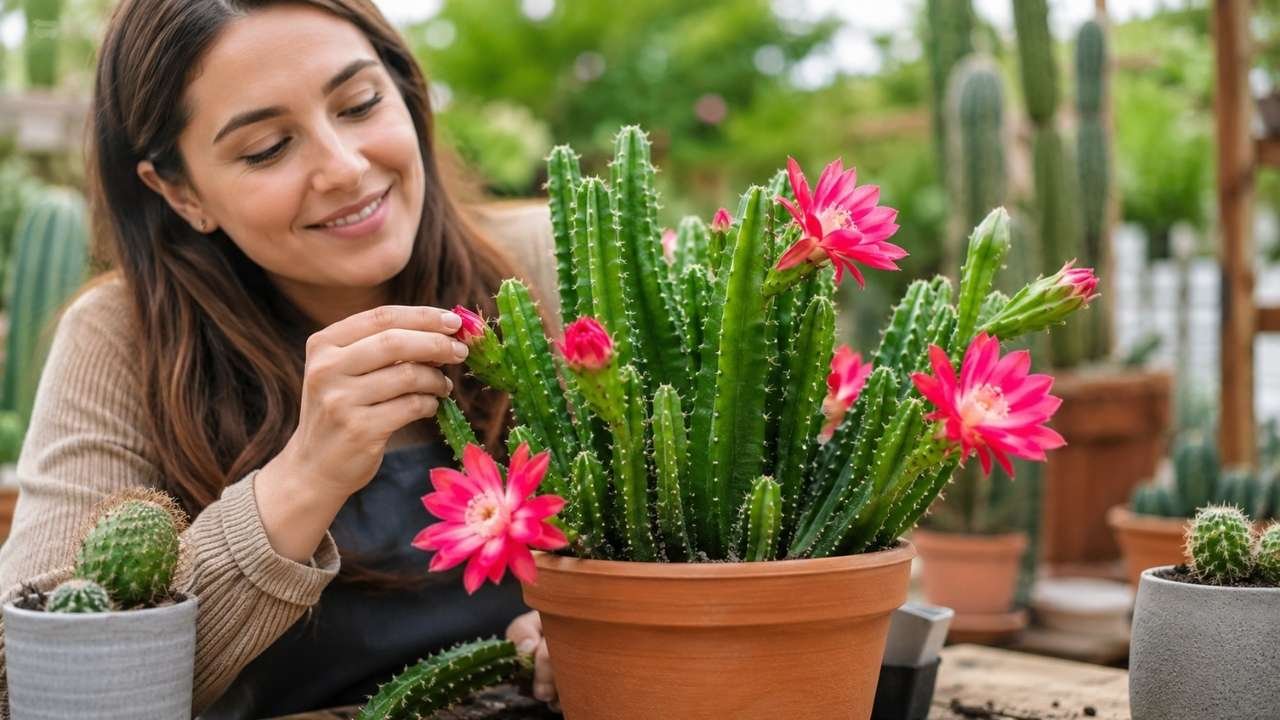
Bolivicactus Care Guide: Bolivicactus is one of the most fascinating cactus varieties for plant lovers who appreciate unique shapes, colorful blooms, and low maintenance gardening. Native to the mountainous regions of South America, this cactus has gained popularity among indoor gardeners and succulent collectors around the world. Its compact growth habit, attractive appearance, and ability to thrive in challenging conditions make it an excellent choice for both beginners and experienced growers.
Although Bolivicactus is generally easy to care for, understanding its natural environment and growth requirements can help you achieve healthier plants, stronger roots, and more vibrant flowering. Like all cacti, it has specific needs when it comes to watering, sunlight, soil composition, and seasonal care. Providing the right conditions can significantly improve its growth and longevity.
This complete guide covers everything you need to know about growing, propagating, and maintaining healthy Bolivicactus plants. Whether you are growing one on a sunny windowsill or building an entire cactus collection, these practical tips will help your plant thrive for years.
Understanding Bolivicactus
Bolivicactus belongs to a group of cacti adapted to dry environments where rainfall is limited and temperatures can vary significantly between day and night. These plants have evolved specialized features that allow them to store water efficiently and survive extended periods of drought.
Most Bolivicactus varieties remain relatively small compared to larger desert cacti. Their stems are often rounded or cylindrical and may display distinct ribs, spines, or textured surfaces. During the flowering season, mature plants can produce stunning blooms that contrast beautifully against their green bodies.
One reason for their popularity is their adaptability. While they naturally grow in arid regions, they can successfully adapt to indoor environments when proper care is provided.
Choosing the Right Growing Location
Selecting an appropriate location is one of the most important factors for successful cultivation.
Bolivicactus thrives in bright environments with plenty of sunlight. Indoors, a south facing or west facing window often provides the ideal amount of light. The plant should receive several hours of direct sunlight each day.
If natural light is limited, supplemental grow lights can help maintain healthy growth. Insufficient light may cause stretching, pale coloration, and weakened stems.
Outdoor cultivation is also possible in regions with warm climates. However, sudden exposure to intense sunlight can cause sunburn if the plant has been growing indoors. Gradually acclimating the cactus to outdoor conditions helps prevent damage.
Good air circulation is equally important. Stagnant conditions may encourage fungal problems and pest infestations.
Soil Requirements for Healthy Growth
The right soil mixture can make a significant difference in plant health.
Bolivicactus prefers fast draining soil that prevents water from accumulating around the roots. Standard garden soil is usually too dense and retains excessive moisture, which can lead to root rot.
A suitable cactus mix should contain ingredients that improve drainage and aeration. Many growers combine cactus potting mix with coarse sand, pumice, perlite, or small gravel. This creates a loose structure that allows excess water to drain quickly.
Healthy roots require oxygen as much as moisture. Dense soil can suffocate roots and increase the likelihood of disease.
When preparing a soil blend, focus on drainage first and nutrient content second. Cacti naturally thrive in nutrient poor environments and do not require rich soil.
Selecting the Best Pot
The choice of container affects root health, moisture retention, and overall growth.
Terracotta pots are often considered the best option because they allow moisture to evaporate through their porous walls. This helps reduce the risk of overwatering.
Plastic pots retain moisture longer and may be suitable in very dry climates. However, they require greater attention to watering frequency.
Always choose containers with drainage holes. Without proper drainage, water can accumulate at the bottom of the pot and cause root problems.
The pot should be slightly larger than the root system. Oversized containers hold excess moisture and increase the risk of rot.
Watering Bolivicactus Properly
Overwatering is the most common reason cactus plants fail.
Bolivicactus stores water in its tissues and can survive dry periods much better than wet conditions. Water thoroughly only when the soil has completely dried out.
During active growth in spring and summer, watering may be needed every one to three weeks depending on temperature, humidity, and pot size.
In autumn, watering frequency should gradually decrease as growth slows.
Winter is typically a resting period. During this time, minimal watering is required. Some growers water only once every four to six weeks during dormancy.
Always check the soil before watering. If moisture remains beneath the surface, wait a few more days.
Understanding Light Requirements
Sunlight plays a critical role in the health and appearance of Bolivicactus.
Bright light encourages compact growth, strong stems, and abundant flowering. Plants grown in insufficient light often become elongated and weak.
Most varieties benefit from at least four to six hours of direct sunlight daily. Morning sunlight is generally gentler and highly beneficial.
When introducing a cactus to stronger light conditions, increase exposure gradually. Sudden changes can cause sunburn, resulting in white or brown patches on the plant surface.
A balanced light environment helps maintain natural coloration and healthy development throughout the growing season.
Temperature and Climate Preferences
Bolivicactus is adapted to warm daytime temperatures and cooler nights.
Ideal growing temperatures generally range between 18°C and 30°C. These conditions support active growth and flowering.
Many species can tolerate short periods of cooler weather if kept dry. However, prolonged exposure to freezing temperatures can cause serious damage.
Indoor growers should keep plants away from cold drafts, air conditioners, and heating vents.
Maintaining stable conditions helps reduce stress and encourages steady growth.
Fertilizing for Better Growth
Although cacti do not require heavy feeding, occasional fertilization can support healthy growth and flowering.
A balanced cactus fertilizer applied during spring and summer is usually sufficient. Use a diluted solution and avoid overfeeding.
Excess fertilizer may lead to soft growth, reduced resilience, and nutrient imbalances.
Most growers fertilize once a month during the active growing season and stop feeding entirely during autumn and winter.
Moderation is the key. A little fertilizer can be beneficial, but too much often causes more harm than good.
Repotting Your Bolivicactus
Repotting becomes necessary when roots outgrow the container or the soil begins to break down.
Most Bolivicactus plants benefit from repotting every two to three years.
Choose a slightly larger container and replace old soil with a fresh, well draining mix. Handle the plant carefully to avoid damaging roots or spines.
After repotting, wait several days before watering. This allows any minor root injuries to heal and reduces the risk of infection.
Repotting is best performed during spring when active growth is beginning.
How to Propagate Bolivicactus
Propagation is an enjoyable way to expand your collection and share plants with others.
Many Bolivicactus species produce offsets or small pups around the base of the parent plant.
Carefully remove the offset using a clean knife or by gently separating it from the mother plant. Allow the cut surface to dry and form a callus before planting.
Once callused, place the offset in a well draining cactus mix. Water lightly after roots begin developing.
Some species can also be propagated from seeds. While seed propagation takes longer, it allows growers to produce large numbers of plants and observe their development from an early stage.
Patience is essential during propagation. Young plants often require several months before showing significant growth.
Encouraging Flower Production
One of the most rewarding aspects of growing Bolivicactus is seeing it bloom.
Flowering depends on several factors, including plant maturity, sunlight exposure, temperature cycles, and seasonal dormancy.
Providing bright light throughout the year is crucial. Mature plants generally bloom more readily than younger specimens.
A cool, dry winter rest period often encourages flower bud formation in spring.
Avoid excessive watering and fertilization, as these can interfere with blooming.
Healthy, stress free plants are more likely to produce abundant flowers each year.
Common Pests and How to Control Them
While generally resistant to pests, Bolivicactus can occasionally encounter problems.
Mealybugs are among the most common cactus pests. These insects appear as white cotton like clusters on stems and around growth points.
Spider mites may cause discoloration and fine webbing.
Scale insects can attach themselves to the plant surface and feed on plant sap.
Regular inspection helps identify infestations early. Minor outbreaks can often be controlled by removing pests manually or using appropriate insecticidal treatments.
Maintaining good airflow and avoiding excessive humidity also reduces pest problems.
Preventing Diseases
Most cactus diseases are related to excessive moisture.
Root rot is the most serious issue and typically results from overwatering or poor drainage.
Symptoms include soft stems, discoloration, foul odors, and collapsing tissue.
Fungal infections may also occur in humid conditions.
Preventive measures include using well draining soil, watering correctly, and ensuring adequate ventilation.
Healthy growing practices are the most effective defense against disease.
Seasonal Care Tips
Different seasons require slight adjustments in care routines.
Spring marks the beginning of active growth. Increase watering gradually and resume fertilization.
Summer is typically the peak growing season. Monitor soil moisture carefully and provide sufficient sunlight.
Autumn signals the transition toward dormancy. Reduce watering and stop fertilizing.
Winter is the resting phase. Keep the plant relatively dry and protect it from freezing temperatures.
Following seasonal cycles helps mimic natural conditions and promotes long term health.
Signs of a Healthy Bolivicactus
A healthy plant displays several clear indicators.
The stem should appear firm, well shaped, and evenly colored.
Growth should be compact rather than stretched.
Roots should remain white or light colored and free from unpleasant odors.
Flowers, when produced, should appear vibrant and fully developed.
Consistent growth and resilience are signs that environmental conditions are suitable.
Common Mistakes to Avoid
Many beginners unintentionally create problems through excessive care.
Overwatering remains the biggest mistake and is responsible for most cactus losses.
Using heavy soil can trap moisture and damage roots.
Insufficient sunlight often leads to weak growth and poor flowering.
Overfertilization may cause unnatural growth and increased susceptibility to disease.
Avoiding these common errors greatly improves the chances of long term success.
Long Term Care and Maintenance
Bolivicactus can live for many years when provided with proper care.
Regular observation allows growers to detect changes before they become serious problems.
Keep the plant clean by removing dead flowers and debris. Rotate indoor specimens occasionally to ensure balanced growth.
Monitor drainage, lighting, and watering habits throughout the year.
With consistent attention and a basic understanding of its needs, Bolivicactus becomes an exceptionally rewarding plant that continues to grow and bloom season after season.
Conclusion
Bolivicactus is an attractive and resilient cactus that rewards growers with unique forms, beautiful flowers, and relatively simple care requirements. By providing bright sunlight, fast draining soil, careful watering, and appropriate seasonal care, you can enjoy a healthy plant for many years.
Whether you are new to cactus gardening or an experienced collector, understanding the natural preferences of Bolivicactus is the foundation of successful cultivation. From propagation and repotting to pest prevention and flowering encouragement, every aspect of care contributes to a stronger and more vibrant plant.
With patience, observation, and consistent maintenance, your Bolivicactus can become one of the most impressive and dependable plants in your collection.
