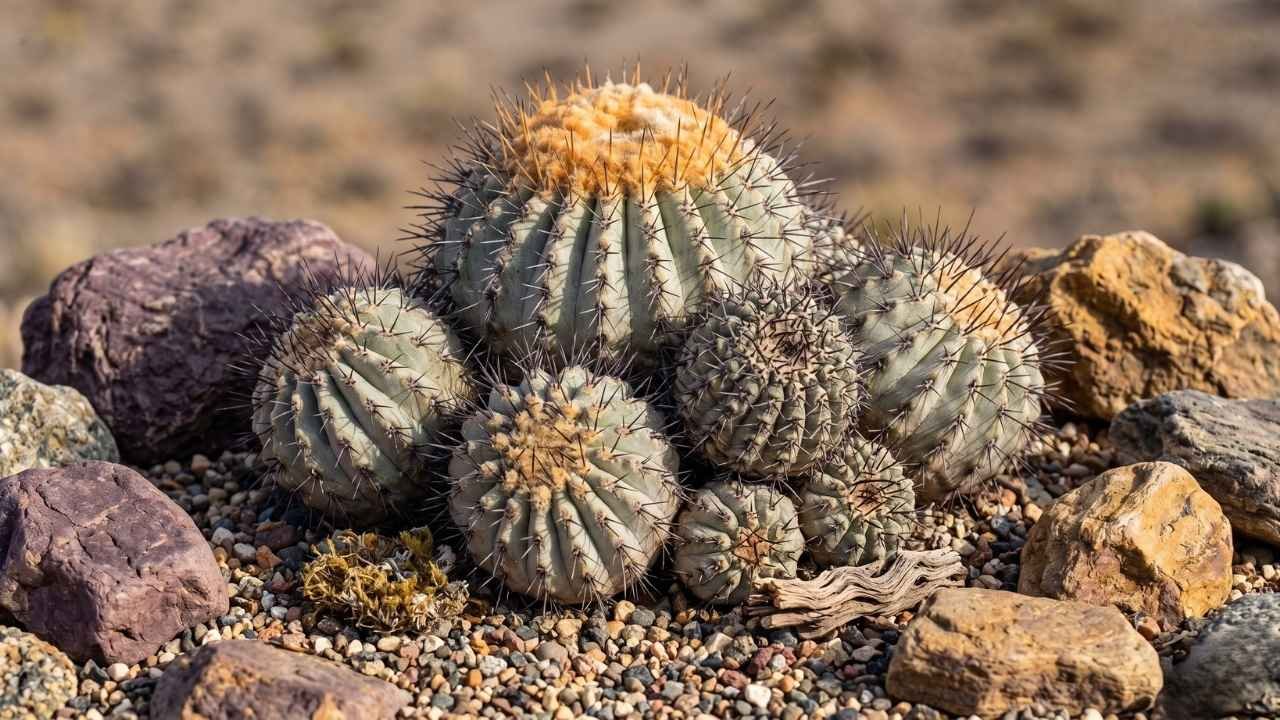
Copiapoa Cactus Care Guide: Copiapoa is one of the most admired cactus genera among collectors and succulent enthusiasts worldwide. Native to the arid coastal deserts of Chile, these remarkable plants have evolved to survive some of the harshest growing conditions on Earth. Their distinctive shapes, silvery coatings, dramatic spines, and slow growing nature make them highly desirable additions to cactus collections.
What makes Copiapoa especially fascinating is its incredible diversity. Some species remain small and solitary throughout their lives, while others develop large clumps containing dozens or even hundreds of stems. Many display beautiful gray, white, black, or blue tones that create a striking appearance unlike most other cacti.
Although certain varieties are considered rare and valuable, growing Copiapoa successfully is achievable when their natural habitat and unique requirements are understood. With proper care, these extraordinary plants can thrive for decades and become treasured specimens.
Understanding Copiapoa
Copiapoa originates from the coastal deserts of northern Chile, particularly in regions where rainfall is extremely limited. Instead of relying on regular precipitation, many species benefit from coastal fog that provides moisture in an otherwise dry environment.
The genus includes numerous species with varying appearances. Some develop rounded globular bodies, while others grow into columnar forms as they mature. Their stems are often covered with a powdery wax coating that protects them from intense sunlight and helps reduce water loss.
Many collectors are attracted to the striking coloration found in species such as blue gray, chalky white, or nearly black forms. Combined with golden, brown, or black spines, these features create exceptional visual appeal.
Despite their rugged appearance, Copiapoa plants grow relatively slowly, rewarding patient growers with increasingly beautiful specimens over time.
Popular Copiapoa Varieties
The diversity within this genus is one reason for its popularity among collectors. Several species are especially sought after for their unique characteristics.
Copiapoa cinerea is perhaps the most famous species. Known for its silvery white coating and robust form, it is often considered one of the most beautiful cacti in cultivation.
Copiapoa dealbata is admired for its pale appearance and attractive clustering habit. Mature plants can form impressive groups that become stunning display specimens.
Copiapoa humilis remains smaller and is often easier for beginners to grow. It produces attractive flowers and readily develops offsets under favorable conditions.
Copiapoa columna alba features tall stems covered with a dense white coating that gives it a dramatic appearance in any collection.
Each species offers its own unique charm while sharing similar care requirements.
Ideal Growing Conditions
Providing the right environment is essential for maintaining healthy Copiapoa plants.
Bright light is one of the most important factors. These cacti thrive in sunny locations and appreciate several hours of direct sunlight each day. Strong light helps maintain compact growth and encourages the development of attractive stem coloration.
Indoor growers should place plants near the brightest available window. Supplemental grow lights may be beneficial in areas with limited natural sunlight.
Warm temperatures during the growing season support healthy development. Most species perform best when daytime temperatures remain between 20 and 32 degrees Celsius.
Good airflow is equally important. Proper ventilation helps prevent fungal problems and supports strong growth throughout the year.
Soil Requirements
Excellent drainage is absolutely critical for Copiapoa cultivation. In their natural habitat, these plants grow in mineral rich soils that allow water to pass through rapidly.
A cactus mix containing high levels of mineral components such as pumice, lava rock, coarse sand, or gravel is ideal. The growing medium should dry quickly after watering while still providing adequate support for the root system.
Heavy soils that retain moisture for long periods should be avoided. Excess moisture around the roots can quickly lead to rot and other health problems.
Many experienced growers prefer using a predominantly mineral based soil mix to closely replicate the plant’s native environment.
Watering Techniques
Watering Copiapoa correctly is one of the most important aspects of successful cultivation.
During spring and summer, water thoroughly only when the soil has completely dried out. Deep watering followed by a dry period closely mimics natural growing conditions.
Because these plants are highly drought tolerant, overwatering poses a much greater risk than underwatering. Constantly moist soil can cause root damage and fungal infections.
As autumn approaches, gradually reduce watering frequency. During winter dormancy, keep watering to a minimum or withhold it almost entirely, especially in cooler conditions.
Observing the plant and monitoring soil moisture will help determine the most appropriate watering schedule.
Fertilizing for Strong Growth
Copiapoa does not require heavy feeding, but occasional fertilization can support healthy growth and flowering.
Apply a diluted cactus fertilizer once every four to six weeks during the active growing season. A low nitrogen formula is generally preferred because it promotes balanced growth without causing excessive soft tissue development.
Too much fertilizer can weaken the plant and reduce its natural compact appearance. Moderate feeding provides the best long term results.
Fertilization should stop as the growing season ends and the plant enters dormancy.
Propagation Methods
Propagation allows growers to expand their collections and preserve valuable specimens.
Seeds are the most common method for propagating Copiapoa. Fresh seeds generally provide higher germination rates and stronger seedlings.
Sow seeds in a well drained growing medium and maintain gentle moisture until germination occurs. Warm temperatures and bright indirect light encourage successful development.
Seedlings grow slowly, requiring patience and consistent care. However, growing plants from seed can be highly rewarding and allows collectors to observe every stage of development.
Some clustering species also produce offsets that can be separated and rooted independently. Allow cut surfaces to callus before planting to reduce the risk of infection.
Flowering and Bloom Production
Copiapoa flowers may be modest in size, but they add significant beauty to mature plants. Most species produce yellow blooms that emerge from the crown during the growing season.
Adequate sunlight is essential for flower production. Plants grown in low light conditions rarely bloom consistently.
A proper dormancy period during winter also contributes to successful flowering. Seasonal changes help stimulate bud development and encourage healthy growth in spring.
Avoid excessive watering and fertilization, as both can interfere with flowering performance.
Mature plants are generally more likely to bloom than younger specimens, making patience an important part of the growing process.
Common Problems and Solutions
While Copiapoa is relatively hardy, certain issues can occur if growing conditions are not ideal.
Root rot is the most common problem and is typically caused by overwatering or poor drainage. Using a fast draining soil mix and watering carefully can prevent most cases.
Mealybugs may occasionally appear around the roots or stem surface. Regular inspections help detect infestations before they become severe.
Stretching or elongated growth usually indicates insufficient sunlight. Relocating the plant to a brighter position often restores healthy growth patterns.
Sunburn may occur if a plant is suddenly moved from shade into intense sunlight. Gradual acclimation helps prevent tissue damage.
Consistent observation allows growers to identify and address issues before they become serious.
Seasonal Care Guide
Spring signals the beginning of active growth. Gradually increase watering and begin light fertilization as temperatures rise.
Summer is the primary growing season. Provide abundant sunlight, good airflow, and careful watering practices.
Autumn is the time to reduce watering and prepare the plant for dormancy. Fertilization should cease during this transition period.
Winter should remain cool and relatively dry. Allowing the plant to rest helps support future flowering and overall health.
Following these seasonal adjustments closely mirrors the plant’s natural growth cycle.
Why Collectors Love Copiapoa
Copiapoa has achieved legendary status among cactus enthusiasts for good reason. Its unique appearance, rarity, and remarkable adaptations make it one of the most desirable cactus genera in cultivation.
Many species develop extraordinary coloration and texture as they mature. The contrast between powdery stems and dramatic spines creates a sculptural quality that few plants can match.
Their slow growth encourages patience and appreciation, while their longevity allows collectors to enjoy them for many years. Mature specimens often become the centerpiece of an entire collection.
Conclusion
Copiapoa is a truly remarkable cactus genus that combines beauty, resilience, and rarity. Native to the harsh deserts of Chile, these plants have evolved unique adaptations that make them both fascinating and rewarding to grow.
By providing bright light, excellent drainage, careful watering, and a proper winter dormancy period, growers can enjoy healthy plants and occasional blooms for decades. Whether you are cultivating a prized Copiapoa cinerea or exploring other rare varieties, understanding their natural preferences is the key to long term success.
With patience, attention, and proper care, Copiapoa can become one of the most impressive and valuable plants in any succulent collection.
