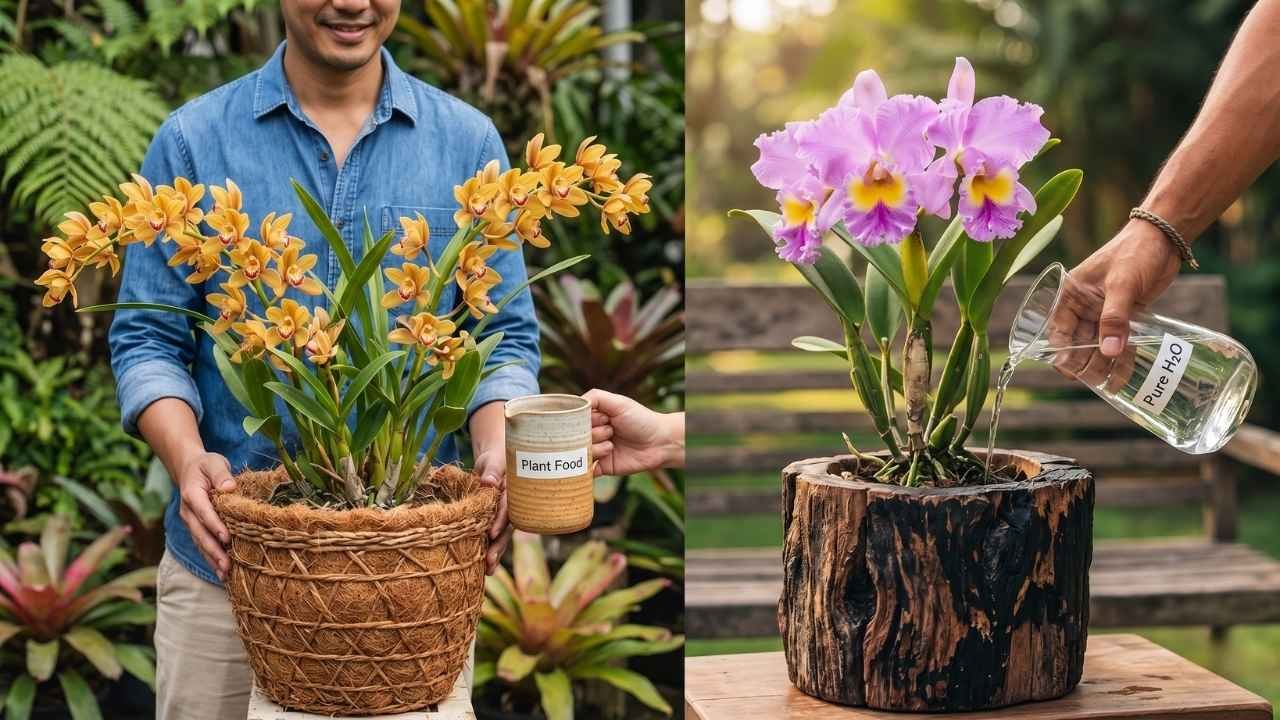
Maihuenia Plant Care Guide: Maihuenia is one of the most fascinating succulent plants for collectors and gardening enthusiasts. Native to the rugged landscapes of South America, this unique cactus stands apart from many other succulent species because of its dense cushion-like growth and remarkable adaptability. While it may look delicate at first glance, Maihuenia is surprisingly tough and capable of thriving in challenging conditions when given proper care.
Whether you are new to succulents or an experienced gardener looking to expand your collection, understanding the specific needs of Maihuenia can help you enjoy healthy growth and long-lasting beauty. This guide covers everything you need to know about successfully growing and caring for this unusual succulent.
Understanding the Maihuenia Plant
Maihuenia belongs to a small genus of cactus plants native to Argentina and Chile. Unlike many cacti that grow upright or develop large pads, Maihuenia forms compact clusters of fleshy stems covered with small leaves and spines. Over time, these clusters can spread into dense mats that create an attractive ground cover effect.
One of the most interesting characteristics of Maihuenia is its ability to survive in cold climates. Many cactus species prefer warm temperatures year-round, but Maihuenia has adapted to mountainous environments where temperatures can drop significantly. This makes it a popular choice among succulent enthusiasts seeking hardy and unusual plants.
Choosing the Right Growing Location
Providing the proper location is one of the most important factors for successful Maihuenia cultivation. These plants thrive in bright environments with plenty of sunlight. Ideally, they should receive at least six hours of direct sunlight each day.
Outdoor gardeners should select a location that receives morning and afternoon sun while maintaining excellent air circulation. Indoor growers should place the plant near a south-facing or west-facing window where it can enjoy maximum light exposure.
Insufficient sunlight often leads to weak growth, reduced flowering, and a less compact appearance. If natural light is limited, supplemental grow lights can help maintain healthy development.
Soil Requirements for Healthy Growth
Maihuenia requires exceptionally well-draining soil. Like most succulents and cacti, it is highly sensitive to excessive moisture around its roots. Poor drainage can quickly lead to root rot and other health problems.
A cactus or succulent potting mix works well for most growers. You can improve drainage further by adding coarse sand, pumice, or perlite to the soil mixture. The goal is to create a growing medium that allows water to flow through quickly while still providing enough support for the root system.
Heavy garden soils that retain moisture should be avoided whenever possible.
Watering Maihuenia Correctly
Watering is often the most challenging aspect of succulent care, and Maihuenia is no exception. The key is to water thoroughly but infrequently.
During the active growing season in spring and summer, water the plant when the soil has completely dried out. Allow excess water to drain freely from the container or planting area. Never allow the roots to sit in standing water.
During autumn and winter, growth naturally slows down. At this time, reduce watering significantly. In many cases, mature outdoor plants may require very little supplemental water during colder months.
Overwatering remains the most common cause of problems for Maihuenia. Signs of excessive moisture include soft stems, discoloration, and root decay.
Temperature and Climate Considerations
One of the major advantages of Maihuenia is its cold tolerance. Unlike many succulents that suffer when temperatures drop, this cactus can handle surprisingly cool conditions.
While exact tolerance levels may vary by species and growing conditions, many Maihuenia plants survive light frost and cold winters better than typical desert cacti. However, prolonged exposure to excessive moisture combined with freezing temperatures can still cause damage.
In regions with harsh winters, gardeners often grow Maihuenia in containers that can be moved to protected locations when necessary.
Fertilizing for Strong Development
Maihuenia is not a heavy feeder and generally performs well without frequent fertilization. However, occasional feeding during the growing season can encourage stronger growth and flowering.
A balanced cactus fertilizer diluted to half strength is usually sufficient. Apply fertilizer once every four to six weeks during spring and summer. Avoid fertilizing during the dormant season, as the plant has little need for additional nutrients at that time.
Excessive fertilization may lead to weak growth and reduced resilience, so moderation is important.
Repotting and Container Care
Container-grown Maihuenia benefits from occasional repotting. This process refreshes the soil and provides additional space for root development.
Repotting is best performed during spring when active growth begins. Choose a container with drainage holes and use a fresh, well-draining succulent mix.
When handling the plant, take care to avoid the spines. Wearing gardening gloves can make the process much easier and safer.
After repotting, allow the plant a few days to settle before resuming regular watering.
Propagation Methods
Maihuenia can often be propagated through stem segments or divisions. Healthy sections removed from established plants may develop roots when placed in suitable growing conditions.
Allow cut sections to dry and form a callus before planting. This step helps reduce the risk of rot and encourages successful rooting.
Once planted in a well-draining medium, provide bright light and minimal water until new roots begin to form. Patience is important, as propagation may take several weeks depending on environmental conditions.
Common Problems and Solutions
Although Maihuenia is generally resilient, a few common issues can arise.
Overwatering is the most frequent problem and can result in root rot. Improving drainage and reducing watering usually prevents this issue.
Pests such as mealybugs and scale insects occasionally appear, particularly on indoor plants. Regular inspections allow early detection and treatment before infestations become severe.
Insufficient sunlight may cause stretched or weak growth. Moving the plant to a brighter location often restores its compact form.
Good airflow, proper watering practices, and suitable lighting conditions significantly reduce the likelihood of most health concerns.
Encouraging Flowers and Long-Term Health
Healthy Maihuenia plants may produce attractive flowers during the growing season. Flowering is encouraged by providing abundant sunlight, proper watering, and a natural seasonal cycle that includes cooler winter conditions.
Consistency is key to long-term success. Avoid sudden changes in light, temperature, or watering habits. Stable growing conditions help the plant maintain strong growth and improve its chances of blooming regularly.
With proper care, Maihuenia can become a long-lasting addition to any succulent collection and continue growing for many years.
Final Thoughts
Maihuenia is a unique and rewarding succulent that offers both beauty and resilience. Its unusual appearance, cold tolerance, and relatively simple care requirements make it an excellent choice for gardeners seeking something different from traditional cactus varieties.
By providing plenty of sunlight, well-draining soil, careful watering, and occasional maintenance, you can enjoy a thriving Maihuenia plant that remains healthy and attractive throughout the year. Whether grown in containers, rock gardens, or succulent collections, this remarkable cactus has the potential to become a standout feature in any growing space.
