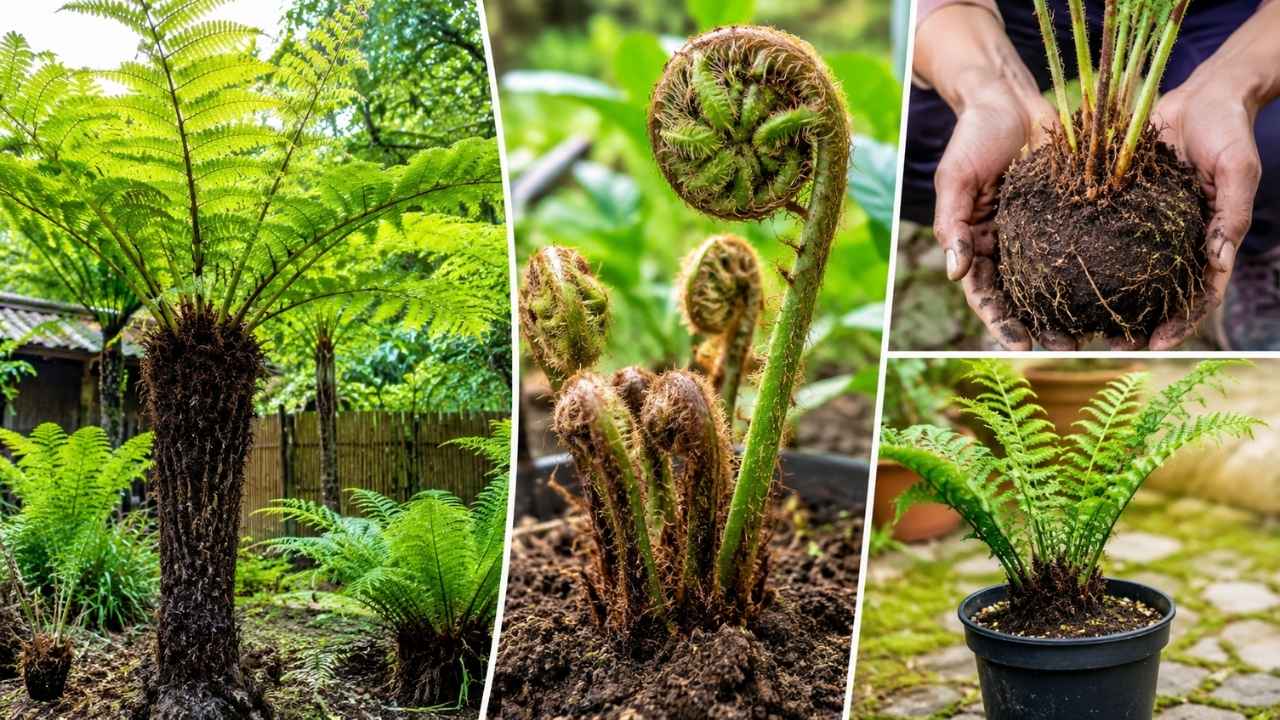
How to Grow Cyatheales Ferns: Cyatheales ferns are among the most striking and ancient plants found in tropical and subtropical landscapes. Commonly known as tree ferns, these plants are admired for their tall trunks, graceful fronds, and lush prehistoric appearance. Gardeners around the world grow Cyatheales ferns to create dramatic garden displays, shaded tropical landscapes, and unique indoor plant collections.
Unlike ordinary ferns, Cyatheales species can grow several feet tall and develop trunk like stems covered with fibrous roots and old leaf bases. Their elegant foliage creates a cooling canopy effect that instantly transforms outdoor spaces into rainforest inspired environments.

Although these ferns appear exotic and delicate, they can thrive successfully when provided with the right growing conditions. Understanding their moisture needs, soil preferences, lighting requirements, and propagation methods is essential for maintaining healthy growth. Whether you plan to grow them in the ground, in containers, or inside a greenhouse, proper care can help these ancient ferns flourish for many years.
Understanding Cyatheales Ferns and Their Natural Habitat
Cyatheales ferns naturally grow in humid forests, mountainous regions, and tropical rainforests where rainfall is abundant and temperatures remain moderate throughout the year. These ferns are commonly found in regions of Australia, New Zealand, Southeast Asia, Central America, and South America.
In their natural habitat, tree ferns grow beneath forest canopies where they receive filtered sunlight and constant moisture. The environment is rich in organic matter, and humidity levels remain high due to dense vegetation and frequent rainfall.
Understanding these natural conditions is important because successful cultivation depends on recreating a similar environment. Cyatheales ferns dislike dry air, intense sunlight, and poor soil conditions. They perform best when kept cool, moist, and protected from harsh weather.

Choosing the Right Cyatheales Fern Species
There are many species within the Cyatheales order, and selecting the right one depends on climate, available space, and personal preference.
Some species remain relatively compact and are suitable for smaller gardens or containers, while others can become very tall and require significant outdoor space. Popular tree fern varieties include Australian tree ferns, New Zealand tree ferns, and tropical soft tree ferns.

When purchasing a plant, look for healthy specimens with vibrant green fronds and no signs of dryness, yellowing, or pest damage. Young plants establish more easily and adapt better to new environments compared to overly mature specimens.
Climate compatibility is also important. Some Cyatheales ferns tolerate mild frost, while tropical species require consistently warm temperatures year round.

Ideal Lighting Conditions for Cyatheales Ferns
Proper lighting plays a major role in maintaining healthy and attractive tree ferns. Most Cyatheales species prefer partial shade or filtered sunlight rather than direct exposure to intense afternoon sun.
Bright indirect light encourages lush green growth and prevents frond scorching. Outdoor plants perform best beneath larger trees, beside shaded walls, or in woodland style gardens where sunlight is naturally softened.

Indoor or greenhouse grown ferns should be placed near bright windows with indirect light. Excessive direct sunlight often causes browning and dehydration, while extremely dark environments may slow growth and reduce frond development.
Morning sunlight is usually well tolerated, especially in cooler climates, but strong midday heat should be avoided whenever possible.

Soil Preparation for Healthy Growth
Soil quality is one of the most important factors in successful Cyatheales fern cultivation. These plants require rich, moisture retaining soil that drains well and contains high amounts of organic matter.
A suitable soil mix may include compost, peat moss, leaf mold, coco coir, and coarse sand or perlite for improved aeration. The goal is to maintain consistent moisture without allowing the roots to remain waterlogged.

Tree ferns naturally absorb nutrients through both their roots and trunk surfaces, making organic material especially beneficial for long term health.
Heavy clay soil should be avoided because it restricts airflow and can lead to root rot. Raised beds or amended garden soil often provide better drainage and growing conditions.

Watering Cyatheales Ferns Correctly
Consistent watering is essential for healthy tree fern growth. Cyatheales ferns naturally grow in environments where moisture is constantly available, so they should never be allowed to dry out completely.
Water both the soil and the trunk regularly, especially during warm weather. The fibrous trunk absorbs moisture and nutrients, helping the plant maintain healthy fronds and overall vigor.

During hot or dry conditions, daily watering may be necessary for outdoor specimens. Container grown plants usually require more frequent watering because pots dry out faster than garden soil.
Using mulch around the base of the plant helps retain moisture and keeps roots cool. However, excessive standing water should still be avoided to prevent fungal problems.
Humidity and Temperature Requirements
Cyatheales ferns thrive in humid environments with moderate temperatures. High humidity supports healthy frond development and prevents dryness or browning at the edges.
In dry climates, regular misting or the use of humidifiers can improve growing conditions significantly. Greenhouses and shaded patios often provide ideal humidity levels for these plants.
Most species prefer temperatures between 60 and 75 degrees Fahrenheit. Tropical varieties may struggle in cold conditions, while some hardier species tolerate light frost if protected properly.
Strong winds can damage delicate fronds and dry out the plant quickly, so sheltered locations are recommended for outdoor cultivation.
Fertilizing Tree Ferns for Strong Growth
Cyatheales ferns benefit from gentle and consistent feeding during the growing season. Organic fertilizers and slow release products work particularly well because they mimic the natural nutrient cycle of forest environments.
Balanced liquid fertilizers diluted to half strength can be applied every few weeks during active growth. Compost and well decomposed organic matter also improve soil fertility and moisture retention.
Avoid overfertilizing because excessive nutrients may burn the roots or damage sensitive fronds. Feeding should be reduced during cooler months when growth slows naturally.
Healthy tree ferns typically display vibrant green foliage and steady frond production without requiring heavy fertilization.
Propagation Techniques for Cyatheales Ferns
Propagating Cyatheales ferns requires patience, but it can be a fascinating process for plant enthusiasts.
Most tree ferns reproduce through spores rather than seeds. Spores develop on the undersides of mature fronds and can be collected once they become ripe.
To propagate from spores, place them on sterile, moist growing media and maintain warm temperatures with high humidity. The process can take several months and requires careful attention to moisture and cleanliness.
Some species also produce offsets or side shoots that can occasionally be separated and replanted, although this method is less common.
Because spore propagation is slow, many gardeners prefer purchasing young plants from nurseries rather than starting from scratch.
Growing Cyatheales Ferns in Containers
Container growing is an excellent option for gardeners with limited outdoor space or colder climates. Large pots allow tree ferns to be moved indoors or protected during winter.
Choose deep containers with good drainage holes and use rich organic soil that retains moisture effectively. Larger pots help maintain stable moisture levels and support the expanding root system.
Container grown ferns require more frequent watering and feeding compared to plants grown directly in the ground. Regular monitoring is important because potted soil dries out faster.
Outdoor containers should be placed in shaded areas protected from strong wind and intense sunlight.
Common Problems and Solutions
Although Cyatheales ferns are relatively hardy when grown correctly, they may encounter problems if conditions become unfavorable.
Brown frond edges usually indicate low humidity, underwatering, or excessive sunlight. Increasing moisture levels and relocating the plant to a shadier area often resolves the issue.
Yellowing foliage may result from poor drainage, nutrient deficiencies, or overwatering. Improving soil structure and adjusting watering habits can restore healthy growth.
Pests such as scale insects, spider mites, and aphids occasionally affect tree ferns, especially in dry indoor environments. Regular inspection and proper humidity management help prevent infestations.
Fungal diseases may develop if airflow is poor or moisture remains stagnant around the trunk and roots. Proper spacing and ventilation are important for disease prevention.
Benefits of Growing Cyatheales Ferns
Cyatheales ferns provide exceptional beauty and structure in gardens and indoor collections. Their tall trunks and arching fronds create a dramatic tropical atmosphere that few plants can match.
These ferns also contribute to cooling and humidity in shaded landscapes, making outdoor spaces feel more comfortable during warm weather.
Because of their prehistoric appearance, tree ferns are popular in botanical gardens, rainforest themed landscapes, and decorative greenhouse displays.
Their long lifespan and relatively slow growth make them valuable centerpiece plants that can remain attractive for decades with proper care.
Tips for Long Lasting Healthy Growth
Maintaining stable growing conditions is the key to successful Cyatheales fern cultivation. Keep the soil consistently moist, protect the plant from harsh sunlight, and maintain high humidity whenever possible.
Adding mulch around the base helps conserve moisture and regulate soil temperature. Regular removal of dead fronds also improves appearance and airflow.
Avoid sudden environmental changes such as temperature extremes or prolonged drought. Healthy tree ferns respond best to gradual adjustments and steady care routines.
Monitoring the plant regularly for signs of stress allows problems to be corrected before serious damage occurs.
Conclusion
Growing Cyatheales ferns can be an incredibly rewarding experience for gardeners who appreciate tropical beauty and ancient plant species. These magnificent tree ferns thrive when provided with rich soil, consistent moisture, high humidity, and filtered sunlight.
Although they require attentive care, their graceful fronds and dramatic structure make them standout additions to gardens, greenhouses, and container collections. Understanding proper soil preparation, watering techniques, and propagation methods ensures healthy long term growth.
With patience and the right environment, Cyatheales ferns can flourish for many years, bringing a lush rainforest inspired atmosphere to any growing space.