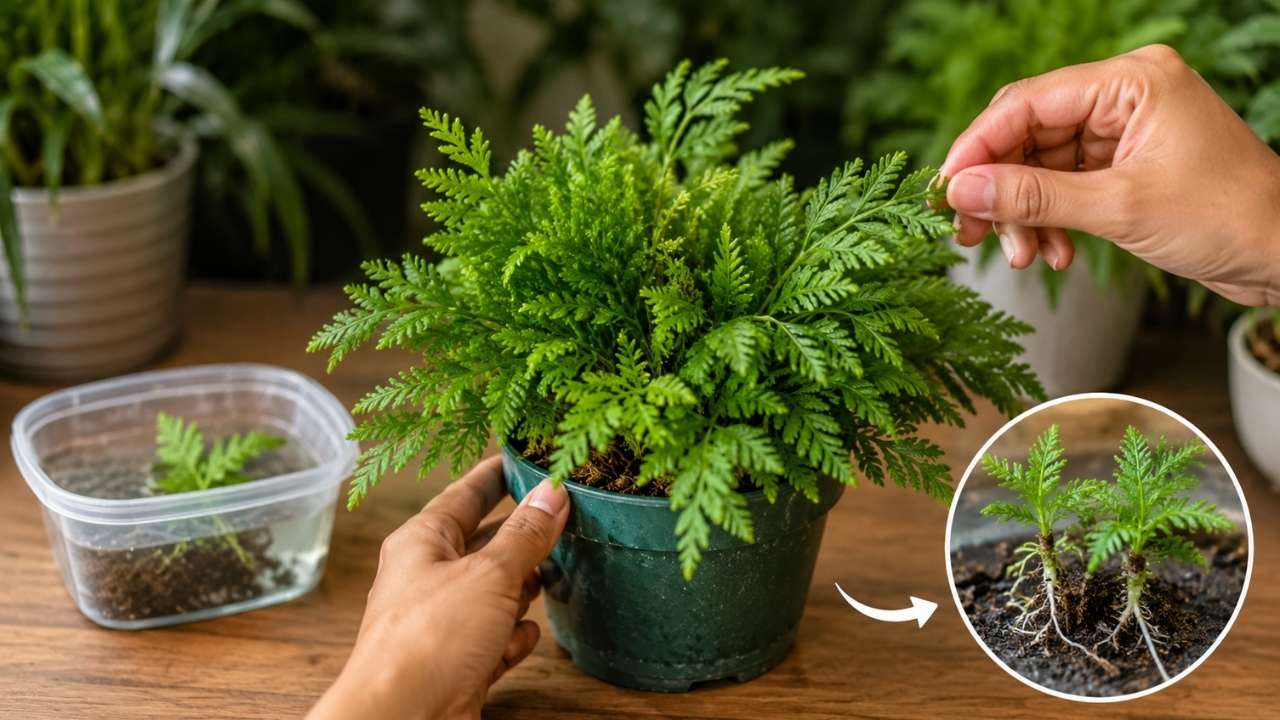
How to Grow Selaginella: Selaginella is a fascinating and beautiful plant that has gained popularity among indoor gardeners and plant collectors for its soft foliage, vibrant green color, and unique texture. Often referred to as spike moss, Selaginella belongs to an ancient group of plants that have existed for millions of years. Although it resembles moss, it is actually a vascular plant with distinct growth habits and care requirements.
This plant is especially loved for terrariums, shaded gardens, and indoor decorative displays because of its ability to create a lush and natural appearance. Some varieties spread like a carpet across the soil, while others grow upright with delicate fern like foliage. Selaginella thrives in humid environments and can reward growers with dense, healthy growth when cared for properly.
Understanding its watering needs, light preferences, humidity requirements, and propagation methods is essential for long term success. Whether you are a beginner or an experienced plant enthusiast, learning how to grow Selaginella correctly can help you maintain a thriving and attractive plant collection.
Understanding Selaginella and Its Natural Habitat
Selaginella naturally grows in tropical and subtropical regions around the world. It is commonly found in rainforests, wetlands, riverbanks, and shaded forest floors where humidity remains consistently high throughout the year.
In its natural environment, Selaginella spreads across moist soil, rocks, and decaying organic matter. The plant thrives under tree canopies where sunlight is filtered and temperatures remain relatively stable. These conditions provide clues about the ideal environment needed for healthy indoor or outdoor cultivation.
Because Selaginella evolved in humid ecosystems, it struggles in dry conditions and requires consistent moisture to maintain its lush appearance. Sudden temperature fluctuations or prolonged dryness can quickly damage the plant.

Choosing the Right Selaginella Variety
There are many different Selaginella species available, each with unique growth habits and appearances. Some are compact and suitable for terrariums, while others spread widely and work well as ground cover in shaded gardens.
Selaginella kraussiana is one of the most common varieties grown indoors because of its bright green trailing stems. Selaginella martensii features more upright growth and fern like foliage, making it attractive in decorative containers. Rainbow Selaginella is especially popular for its iridescent blue and green tones that shimmer under certain lighting conditions.

When selecting a variety, consider your growing space, humidity levels, and whether the plant will be grown indoors, outdoors, or inside a terrarium.
Ideal Lighting Conditions for Selaginella
Proper lighting is important for maintaining healthy Selaginella growth. Most species prefer bright indirect light or partial shade. Direct sunlight can scorch the delicate foliage and cause the plant to dry out rapidly.
Indoor plants grow best near east facing windows or in rooms with filtered sunlight. Artificial grow lights can also work well if natural lighting is limited.
Outdoor Selaginella should be planted in shaded garden beds or beneath larger plants where direct afternoon sunlight is blocked. Too much sun exposure often causes browning, fading, or crispy foliage.
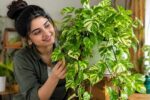
Low light conditions are tolerated better than excessive sunlight, although extremely dark environments may slow growth over time.
Soil Requirements for Healthy Growth
Selaginella prefers soil that retains moisture while still allowing proper drainage. A rich, airy growing medium helps support healthy roots and prevents waterlogging.
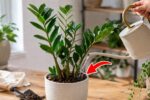
A mixture containing peat moss, coco coir, compost, and perlite works very well for most species. This combination keeps the soil moist without becoming compacted.
Adding organic matter improves moisture retention and provides nutrients that support lush foliage growth. Heavy clay soils should be avoided because they restrict airflow around the roots and increase the risk of root rot.

For terrarium cultivation, sphagnum moss can help maintain humidity and encourage spreading growth patterns.
Watering Selaginella Correctly
Consistent watering is one of the most important aspects of Selaginella care. Unlike drought tolerant plants, Selaginella should never be allowed to dry out completely.

The soil should remain evenly moist at all times. Water the plant whenever the surface begins to feel slightly dry, but avoid soaking the soil excessively.
During warm weather or in dry indoor environments, more frequent watering may be necessary. Terrarium grown Selaginella often requires less watering because enclosed environments retain moisture more effectively.

Using filtered or distilled water may help prevent mineral buildup, especially for sensitive species. Brown leaf tips sometimes develop when water quality is poor or humidity levels are too low.
Humidity Needs and Temperature Preferences
Humidity is the key to successful Selaginella growth. Most species thrive in environments with humidity levels above 60 percent.
Dry air can quickly cause wilting, curling, and browning foliage. For indoor plants, using a humidifier, pebble tray, or regular misting can significantly improve plant health.
Terrariums are ideal for Selaginella because they naturally maintain stable humidity levels. Bathrooms and kitchens with naturally humid air can also be excellent locations for these plants.
Temperature requirements are generally moderate. Selaginella grows best between 60 and 75 degrees Fahrenheit. Sudden cold drafts or intense heat should be avoided because they can stress the plant.
Fertilizing Selaginella for Better Growth
Selaginella does not require heavy fertilization, but occasional feeding can encourage healthy and vibrant growth.
A diluted liquid houseplant fertilizer applied once every four to six weeks during the growing season is usually sufficient. Overfertilizing can damage the roots and lead to weak or discolored foliage.
Organic options such as compost tea or diluted fish emulsion can also provide gentle nutrients without overwhelming the plant.
Fertilization should be reduced during cooler months when growth naturally slows down.
Propagation Methods for Selaginella
Propagating Selaginella is relatively easy, making it an enjoyable plant for gardeners who want to expand their collection.
Division is the most common and reliable method. Mature plants naturally spread and form dense mats that can be separated into smaller sections. Each section should contain healthy stems and roots before being replanted in moist soil.
Stem cuttings can also be used for propagation. Place cuttings on moist substrate and maintain high humidity until roots develop.
Some Selaginella species reproduce through spores, although this method is slower and more advanced compared to division or cuttings.
After propagation, maintaining warm temperatures and high humidity helps new plants establish successfully.
Growing Selaginella in Terrariums
Terrariums provide nearly perfect conditions for Selaginella growth because they maintain consistent moisture and humidity.
Choose a clear container with drainage layers at the bottom to prevent stagnant water accumulation. Activated charcoal helps keep the environment fresh, while moss and organic substrate support healthy root growth.
Selaginella pairs beautifully with ferns, mosses, and miniature tropical plants in decorative terrarium displays.
Keep the terrarium in bright indirect light and monitor moisture carefully. Excess condensation may indicate insufficient airflow, while dry substrate suggests the environment needs additional humidity.
Common Problems and Their Solutions
Although Selaginella is relatively easy to grow in humid environments, several issues may occur if conditions become unfavorable.
Brown or crispy foliage usually indicates low humidity or underwatering. Increasing humidity and watering consistently often solves the problem quickly.
Yellowing leaves may result from overwatering or poor drainage. Improving soil aeration and reducing excess moisture can help restore plant health.
Leggy or sparse growth often occurs in very low light conditions. Moving the plant to brighter indirect light encourages fuller growth.
Pests such as spider mites and fungus gnats occasionally appear, especially in dry or overly wet conditions. Maintaining balanced humidity and proper airflow reduces the likelihood of infestations.
Benefits of Growing Selaginella
Selaginella offers both decorative and practical benefits for indoor and outdoor spaces. Its lush green foliage creates a calming natural atmosphere and adds texture to plant displays.
Because it thrives in humid environments, it is perfect for terrariums, bathrooms, and shaded indoor corners where other plants may struggle.
Some gardeners use Selaginella as a ground cover in shaded landscapes due to its spreading growth habit and vibrant color.
The plant also helps improve humidity levels in enclosed plant displays and contributes to a more tropical aesthetic indoors.
Tips for Long Lasting Healthy Growth
To keep Selaginella healthy and vibrant, focus on maintaining stable growing conditions. Avoid allowing the soil to dry completely and protect the plant from direct sunlight.
Consistent humidity is more important than frequent fertilization. Regularly inspect the plant for signs of stress such as curling leaves, fading color, or dryness.
Repotting every couple of years helps refresh the soil and provides additional space for spreading growth.
Keeping the environment clean and providing gentle airflow also reduces the risk of fungal issues and pest problems.
Conclusion
Growing Selaginella can be a rewarding experience for plant enthusiasts who appreciate lush greenery and unique foliage textures. With proper care, this ancient plant can thrive indoors, outdoors, or inside decorative terrariums.
By providing bright indirect light, consistently moist soil, high humidity, and moderate temperatures, you can encourage healthy and vibrant growth throughout the year. Propagation is simple through division and cuttings, making it easy to expand your collection or share plants with others.
Selaginella adds elegance, softness, and a refreshing natural appearance to any space. With patience and proper care, this remarkable plant can remain healthy and beautiful for many years.