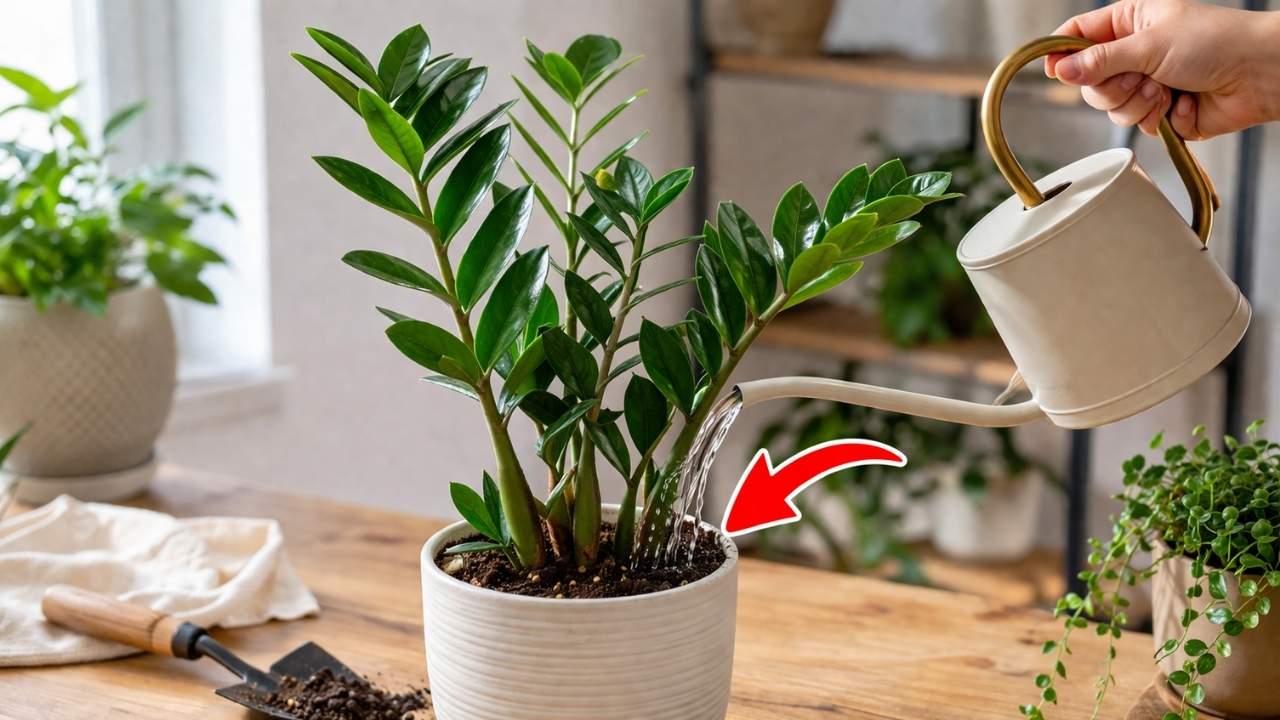
Zanzibar Gem Plant Care: The Zanzibar Gem plant, widely known as the ZZ plant, is one of the most reliable and attractive indoor plants you can grow. Its glossy, deep green leaves and upright growth pattern make it a favorite for homes, offices, and indoor spaces of all sizes. What truly sets this plant apart is its ability to thrive even when neglected, making it ideal for beginners or busy individuals.
Native to Eastern Africa, the Zanzibar Gem naturally grows in dry, drought-prone regions. This background explains its strong tolerance to low water and varying indoor conditions. If you are looking for a plant that looks elegant without demanding constant attention, this is an excellent choice.

Why the Zanzibar Gem is So Popular
The popularity of the Zanzibar Gem plant has grown rapidly in recent years, and for good reason. It combines beauty with resilience, offering a clean and modern look while requiring minimal care. Its waxy leaves reflect light, adding a subtle shine that enhances any room.
Another reason for its popularity is its adaptability. It can survive in low light, tolerate irregular watering, and still maintain a healthy appearance. For people who struggle to keep plants alive, the ZZ plant often becomes a confidence booster.

Light Requirements for Healthy Growth
One of the best features of the Zanzibar Gem is its flexibility when it comes to light. It grows well in bright, indirect light but can also tolerate low light conditions. This makes it suitable for rooms with limited natural sunlight.
However, while it can survive in dim areas, growth may slow down, and new shoots may appear less frequently. Placing the plant near a window with filtered light will encourage fuller and faster growth. Direct sunlight should be avoided, as it can cause the leaves to develop burn marks.

Watering the Zanzibar Gem
Watering is where most plant owners go wrong, especially with a plant like the ZZ. Because it stores water in its thick rhizomes beneath the soil, it does not need frequent watering.
A good approach is to allow the soil to dry out completely before watering again. In most indoor settings, this means watering every two to three weeks. Overwatering can lead to root rot, which is one of the few serious threats to this plant.

If you are unsure, it is always safer to underwater than overwater. The ZZ plant can tolerate dry conditions far better than excess moisture.
Choosing the Right Soil and Pot
Well-draining soil is essential for the Zanzibar Gem. A standard indoor potting mix combined with perlite or sand works well. This helps prevent water from sitting around the roots, which can cause damage over time.

The pot you choose should always have drainage holes. Without proper drainage, even small amounts of excess water can accumulate and harm the plant. A slightly snug pot is often better than one that is too large, as it helps control moisture levels.
Temperature and Indoor Conditions
The Zanzibar Gem thrives in typical indoor temperatures, usually between 18 to 30 degrees Celsius. It does not tolerate cold conditions well, so it should be kept away from cold drafts, open windows in winter, or air conditioning vents.

One advantage of this plant is that it does not require high humidity. Normal room humidity is usually sufficient, making it easier to care for compared to many tropical plants. This adaptability makes it perfect for both homes and offices.
Fertilizing for Better Growth
Although the ZZ plant is not a heavy feeder, occasional fertilizing can support healthier growth. During the growing season, which is typically spring and summer, you can feed the plant once a month with a balanced liquid fertilizer diluted to half strength.

There is no need to fertilize during the colder months when growth naturally slows down. Over-fertilizing can do more harm than good, so it is best to keep feeding simple and minimal.
Pruning and Cleaning
The Zanzibar Gem does not require frequent pruning, but occasional maintenance helps keep it looking its best. Remove yellow or damaged leaves to maintain a neat appearance and allow the plant to focus its energy on healthy growth.

Dust can accumulate on the shiny leaves over time, which may reduce their ability to absorb light. Gently wiping the leaves with a damp cloth every few weeks helps keep them clean and vibrant.
Easy Propagation Methods
Propagation of the ZZ plant is possible, though it requires patience. One common method is dividing the rhizomes when repotting. Each section with roots can grow into a new plant.

Another method involves leaf cuttings. A healthy leaf can be placed in soil or water, where it will eventually develop roots and form a new rhizome. This process takes time, often several months, but it is rewarding for those who enjoy growing plants from scratch.
Common Problems and How to Fix Them
The Zanzibar Gem is generally resistant to pests and diseases, but a few issues can still arise. Yellow leaves are often a sign of overwatering, while soft stems may indicate root rot.

If you notice these problems, reduce watering and check the soil condition. Repotting the plant into fresh, dry soil may help if the roots are affected.
Pests such as spider mites or mealybugs are rare but possible. If they appear, wiping the leaves and using a mild treatment can keep the problem under control.
Styling the Zanzibar Gem Indoors
The ZZ plant is not just easy to care for, it is also highly decorative. Its upright stems and symmetrical growth pattern make it a natural fit for modern interiors. It works well as a floor plant in living rooms or as a desk plant in offices.
Placing it in a simple pot enhances its clean look, while decorative planters can add personality to your space. Because it grows slowly, it maintains its shape for a long time without needing frequent adjustments.
Benefits of Keeping a Zanzibar Gem
Beyond its visual appeal, the Zanzibar Gem offers several benefits. It helps create a calm and refreshing indoor environment, which can positively affect mood and focus.
Its low-maintenance nature reduces stress for plant owners, especially those who are new to gardening. Having greenery indoors can also make spaces feel more welcoming and lively.
Final Thoughts
The Zanzibar Gem plant stands out as one of the easiest and most rewarding indoor plants to grow. With minimal watering, flexible light needs, and strong resilience, it fits perfectly into modern lifestyles.
Whether you are just starting your plant journey or looking to expand your collection, this plant is a dependable choice. With a little care and attention, it will continue to thrive and bring a touch of natural beauty into your home for years to come.