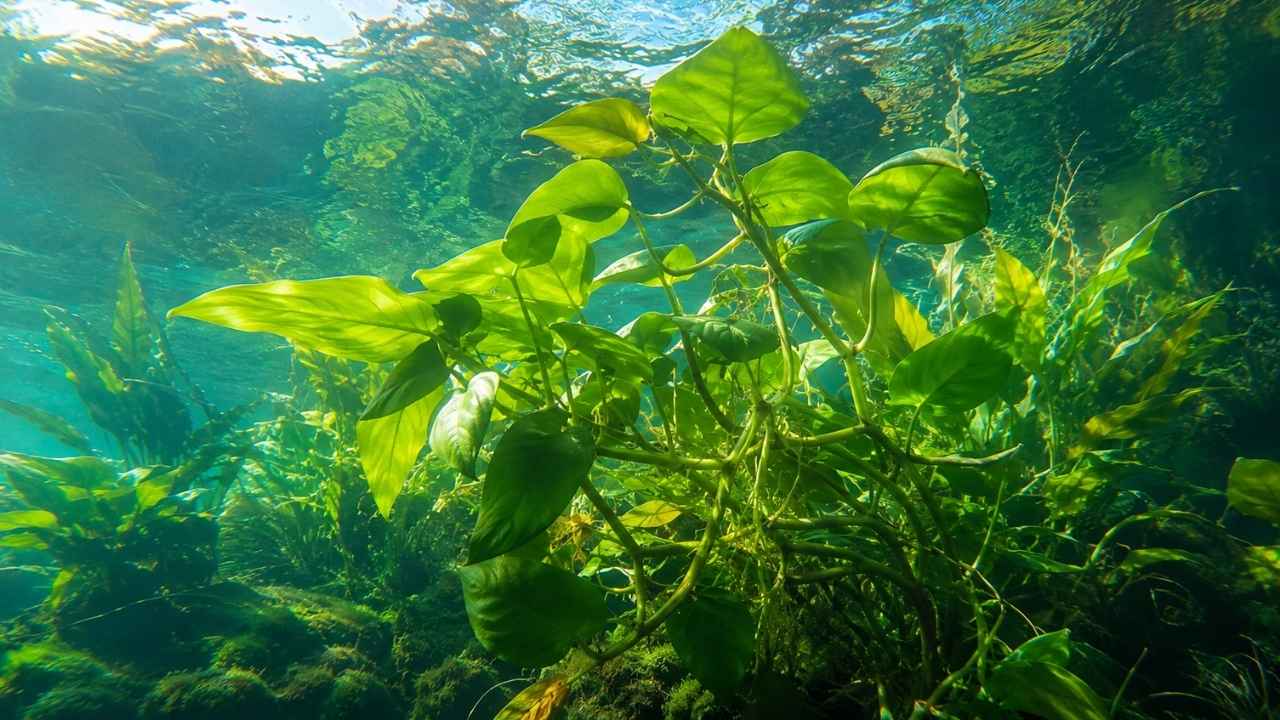
Pothoideae Subfamily: Pothoideae is a group of flowering plants that belongs to the arum family and is mainly known for its simple structure and strong ability to adapt to shaded tropical environments. These plants are not usually striking in terms of flowers, but they are extremely successful in surviving under forest canopies where sunlight is limited and humidity is high. Because of this, they are often found in dense forests where many other plant types struggle to grow.
What makes Pothoideae interesting is not just its appearance but its ecological behavior. These plants often grow quietly in the background of tropical ecosystems, yet they play an important role in maintaining balance in forest habitats. Their climbing nature and ability to spread across trees and ground surfaces allow them to occupy spaces that many other plants cannot efficiently use.
Taxonomic position and botanical identity
In botanical classification, Pothoideae is placed within the larger arum family, a well known family of monocot plants. Members of this family are generally recognized for their distinctive flower structure and their adaptability to warm environments. Pothoideae is considered one of the subgroups within this family based on shared characteristics such as growth pattern, internal structure, and reproductive traits.
Although plant classification has changed over time due to modern genetic studies, Pothoideae remains an important reference point for understanding how early taxonomists grouped similar looking plants. Earlier classifications were mainly based on visible traits such as leaf shape and climbing habit. Today, scientists also use DNA based research to confirm how closely related these plants are to each other.

This combination of traditional observation and modern science has helped refine the understanding of Pothoideae and its place in plant evolution. It also shows how plant classification is not fixed but continues to develop as new information becomes available.
Diversity and key plant members
The diversity within Pothoideae is not extremely large, but it is still significant enough to show variation in growth style and structure. Many plants in this group are climbers that rely on surrounding trees for support. Others grow closer to the ground and spread horizontally across soil and rocks.
Some well known genera associated with this group include climbing plants that are often seen in tropical gardens or natural forests. These plants usually have long stems that extend across surfaces while producing roots at intervals to anchor themselves. This gives them a strong advantage in crowded forest environments where space and light are limited.
Even though the flowers of these plants are not very large or colorful, their leaf diversity is quite noticeable. Some species have long narrow leaves while others produce broader heart shaped foliage. This variation allows them to adapt to different levels of shade and moisture availability.

Structural features and adaptations
Plants in the Pothoideae group show several interesting adaptations that help them survive in tropical ecosystems. One of the most important features is their climbing ability. Many species produce aerial roots that allow them to attach firmly to trees or rocky surfaces. These roots also help absorb moisture directly from the air, which is useful in humid environments.
The leaves of these plants are generally designed for efficient light capture. Since they often grow under dense tree canopies, they must make the most of limited sunlight. As a result, their leaves are usually broad, thin, and smooth, allowing them to collect scattered light effectively.
Another important adaptation is their flexible growth pattern. Instead of investing energy into thick woody trunks, many Pothoideae plants use nearby structures for support. This allows them to conserve energy and grow longer stems that can reach better light sources.
Their flowers are typically small and structurally specialized rather than visually bright. This suggests that they rely more on specific pollination strategies rather than attracting a wide range of pollinators through color.

Natural habitat and global distribution
Pothoideae plants are mainly found in tropical and subtropical regions where warmth and humidity remain relatively stable throughout the year. These environments provide ideal conditions for their growth because they depend on moisture rich air and shaded surroundings.
They are commonly distributed across Southeast Asia, parts of Africa, and regions of South America. In these areas, they thrive in rainforests where they occupy the understory layer. This layer is characterized by reduced sunlight due to the thick canopy above, which makes it suitable for shade tolerant plants like those in Pothoideae.
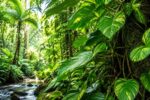
In addition to forests, some species can also be found along riverbanks and in moist lowland areas. Their ability to grow in both climbing and ground spreading forms allows them to adjust to different ecological conditions within tropical landscapes.
Ecological importance in forest systems
The ecological role of Pothoideae plants is more significant than it may appear at first glance. These plants contribute to forest structure by filling spaces between larger trees and shrubs. Their climbing nature helps connect different layers of the forest, creating microhabitats for small organisms.
Insects and other small creatures often use their leaves and roots for shelter. The shaded environment created by their foliage helps maintain moisture, which is essential for many forest floor organisms. In this way, Pothoideae plants indirectly support biodiversity.
They also play a role in nutrient cycling. When leaves fall and decompose, they return organic material to the soil, enriching it over time. Their roots can trap organic debris, which gradually breaks down and becomes part of the forest nutrient system.

In areas with heavy rainfall, these plants help reduce soil erosion by covering exposed surfaces. This protective layer prevents direct impact from rain and helps maintain soil stability in fragile ecosystems.
Reproduction and pollination process
The reproductive system of Pothoideae plants is adapted to their shaded environment. Since they do not rely heavily on bright flowers, their pollination strategies are often more subtle. Many species produce flowers that emit specific scents to attract insects that are active in forest habitats.
Insect pollinators play a key role in transferring pollen between plants. Some species may have specialized relationships with particular insects, ensuring more efficient reproduction. This kind of interaction shows a close ecological connection between plants and their surrounding fauna.
Seed dispersal in these plants is also influenced by forest conditions. In many cases, fruits are consumed by animals, which then help spread seeds to new locations. This natural process supports the expansion of these plants across suitable habitats.
Evolutionary significance and scientific study
Pothoideae provides valuable insights into how plants adapt to low light environments over long periods of evolution. Their climbing behavior, leaf structure, and reproductive strategies all reflect adaptations to competition in dense forests.
Scientists study this group to understand how different plant species evolve to occupy similar ecological niches. By comparing Pothoideae with related groups, researchers can trace patterns of plant diversification in tropical ecosystems.
Genetic studies have also helped clarify relationships within the arum family, showing how certain traits evolved multiple times in response to similar environmental pressures. This makes Pothoideae an important reference point in evolutionary botany.
Human use and horticultural value
Although Pothoideae plants are not major agricultural crops, they do have value in horticulture. Their attractive foliage and ability to thrive in low light conditions make them popular as ornamental plants in gardens and indoor spaces.
They are often used in shaded landscapes where other decorative plants may not survive. Their climbing nature also makes them suitable for vertical gardening and natural wall coverings. This adaptability has increased their popularity among plant enthusiasts.
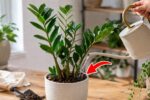
In addition, their low maintenance requirements make them ideal for indoor environments. They do not need intense sunlight and can survive with moderate care, which adds to their appeal.
Conservation concerns and environmental threats
Like many tropical plant groups, Pothoideae faces challenges due to habitat loss. Deforestation and land conversion for agriculture reduce the natural environments where these plants thrive. Since they depend on humid forest ecosystems, any disturbance in these habitats can affect their survival.
Climate change also poses a risk by altering rainfall patterns and temperature stability in tropical regions. Changes in humidity levels can directly impact their growth and reproduction.
Conservation of these plants is closely linked to forest protection efforts. Preserving tropical forests ensures that Pothoideae and many other species continue to survive in their natural environments.
Conclusion
Pothoideae represents a fascinating example of plant life adapted to shaded and humid ecosystems. Its members may not always stand out visually, but they play an essential role in maintaining ecological balance in tropical forests. From their climbing growth habits to their interactions with insects and soil systems, these plants demonstrate how life can thrive in challenging conditions.
Understanding Pothoideae helps us appreciate the complexity of forest ecosystems and the importance of conserving them. Even the quietest plant groups contribute significantly to biodiversity and environmental stability.