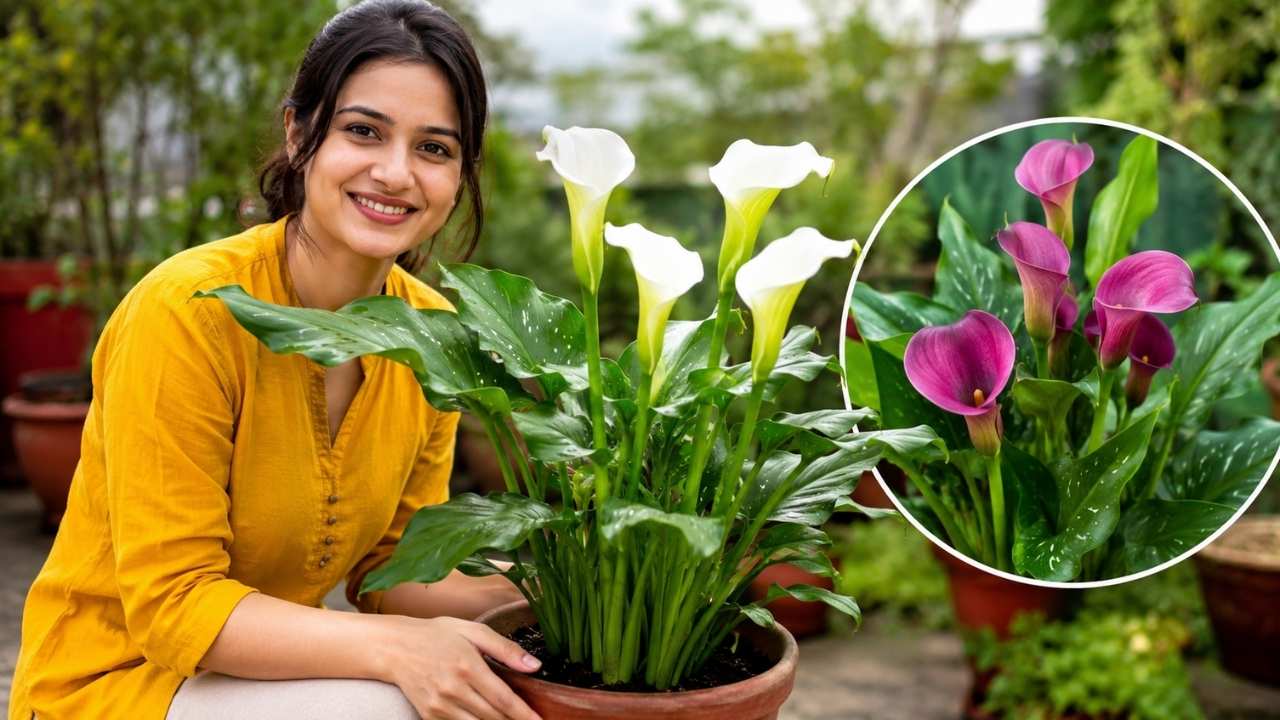
Arum Plant Care: Arum plants are striking ornamental plants known for their unique flower structure and attractive foliage. They belong to a group of shade loving perennials that naturally grow in woodland environments, making them ideal for gardens with partial shade and moist soil conditions. The plant is especially admired for its unusual flower shape, often described as a hooded spathe surrounding a central spike, along with its glossy leaves that add texture to garden spaces.
Although Arum plants are relatively low maintenance once established, they do have specific growing needs. Understanding their natural habitat helps in replicating the right conditions for healthy growth and reliable blooming.

Choosing the Right Location
Selecting the correct planting location is one of the most important steps in growing healthy Arum plants. These plants prefer partial shade or filtered sunlight rather than full sun exposure. In their natural habitat, they grow under tree canopies where they receive dappled light throughout the day.
Too much direct sunlight can scorch the leaves and reduce the plant’s vigor, while too much deep shade may limit flowering. A balanced location with morning light and afternoon shade is often ideal. Areas near walls, under deciduous trees, or beside shrubs can provide the perfect environment.

Good air circulation is also beneficial, as it helps prevent fungal issues while maintaining a stable microclimate around the plant.
Soil Preparation and Planting
Arum plants thrive in rich, well drained soil that retains moisture without becoming waterlogged. Before planting, it is important to improve the soil with organic matter such as compost or well rotted leaf mold. This not only improves fertility but also enhances soil structure and moisture retention.

The ideal soil should be slightly acidic to neutral. Heavy clay soils can be improved by adding sand and organic compost, while sandy soils benefit from extra organic matter to help retain moisture.
When planting, place the tubers at a depth of about 8 to 10 centimeters. The pointed side of the tuber should face upward. Space multiple plants about 20 to 30 centimeters apart to allow room for growth and airflow. After planting, water thoroughly to help settle the soil around the tubers.

Watering Requirements
Consistent moisture is essential for healthy Arum growth, especially during the active growing season. The soil should remain evenly moist but never soggy. Overwatering can lead to tuber rot, which is one of the most common problems in Arum cultivation.
During spring and summer, regular watering is important, particularly during dry spells. In cooler months, watering should be reduced as the plant enters dormancy. It is always better to check the top layer of soil before watering again. If it still feels damp, wait a few more days.
Mulching around the base of the plant can help retain soil moisture and reduce the frequency of watering while also suppressing weed growth.
Light and Temperature Conditions
Arum plants prefer mild to cool climates and perform best in regions with moderate temperatures. They do not tolerate extreme heat or prolonged frost without protection.

Ideal growing temperatures range between cool spring conditions and mild summer weather. In very hot climates, providing additional shade and consistent watering is essential to prevent stress.
In colder regions, the plant may die back to the ground during winter but will regrow from the tuber when conditions improve. Applying a layer of mulch can help protect the tubers from harsh frost.

Growth Cycle and Blooming
The blooming cycle of Arum plants is one of their most fascinating features. Growth typically begins in late winter or early spring, when fresh leaves emerge from the soil. These leaves are often arrow shaped and can be quite decorative on their own.
Flowers usually appear in spring or early summer, depending on the species and climate. The flower consists of a central spike surrounded by a leaf like structure that acts as a protective hood. Although the bloom is not long lasting, it is highly distinctive and adds visual interest to shaded garden areas.

After flowering, the plant often produces bright berries that add seasonal color. These berries should not be consumed as they are toxic.
As the growing season ends, the foliage gradually dies back, and the plant enters dormancy. This natural cycle is important for energy storage in the tuber, ensuring strong growth in the following season.

Fertilization and Feeding
Arum plants benefit from light feeding during their active growth period. A balanced, slow release fertilizer applied in early spring can support healthy foliage and flower development.
Organic options such as compost or well decomposed manure are also highly effective. These not only provide nutrients but also improve soil structure over time.

It is important not to over fertilize, as excessive nutrients can lead to lush foliage with reduced flowering. A modest and consistent feeding routine is usually sufficient.
Pruning and Maintenance
Maintenance for Arum plants is relatively simple. Removing spent flowers can help direct energy back into the tuber rather than seed production. Once the foliage begins to yellow and die back naturally, it can be cut down to ground level.
Cleaning up dead leaves also helps reduce the risk of pests and diseases overwintering in the garden.
Regular inspection of the plant ensures that any issues such as fungal spots or pest damage are addressed early.
Propagation Methods
Arum plants are commonly propagated through division of tubers. This is best done during the dormant period when the plant has died back.
Carefully dig up the tubers and separate healthy offsets from the main plant. Each division should have at least one growth point to ensure successful regrowth.
Replant the divided tubers immediately in prepared soil and water lightly. With proper care, these divisions will establish themselves and grow into mature plants over time.
Seed propagation is also possible but is generally slower and less predictable compared to tuber division.
Common Pests and Diseases
While generally hardy, Arum plants can occasionally be affected by pests such as aphids or slugs. Slugs are particularly attracted to the tender young shoots and leaves.
Fungal issues may arise in overly wet conditions or poorly drained soil. Root rot is a common problem when tubers are left in waterlogged soil for extended periods.
Good cultural practices such as proper spacing, balanced watering, and well drained soil can significantly reduce the risk of these problems.
If pests appear, manual removal or natural pest control methods are usually sufficient for small infestations.
Seasonal Care Tips
Seasonal care plays an important role in maintaining healthy Arum plants year after year. In spring, focus on feeding and watering as new growth begins. Summer requires consistent moisture and protection from excessive heat.
In autumn, reduce watering as the plant begins to slow down. Allow the foliage to die back naturally before removing it. In winter, protect the dormant tubers with mulch in colder regions to prevent frost damage.
By following the natural seasonal rhythm of the plant, you can ensure strong growth and consistent blooming in each cycle.
Conclusion
Arum plants are elegant and unique additions to shaded gardens, offering both attractive foliage and distinctive blooms. While they require some attention to soil quality, moisture, and seasonal care, they are generally easy to maintain once established.
By providing the right balance of shade, moisture, and nutrients, gardeners can enjoy the beauty of Arum plants year after year. Their natural woodland charm makes them a valuable choice for anyone looking to enhance garden spaces with texture and seasonal interest.