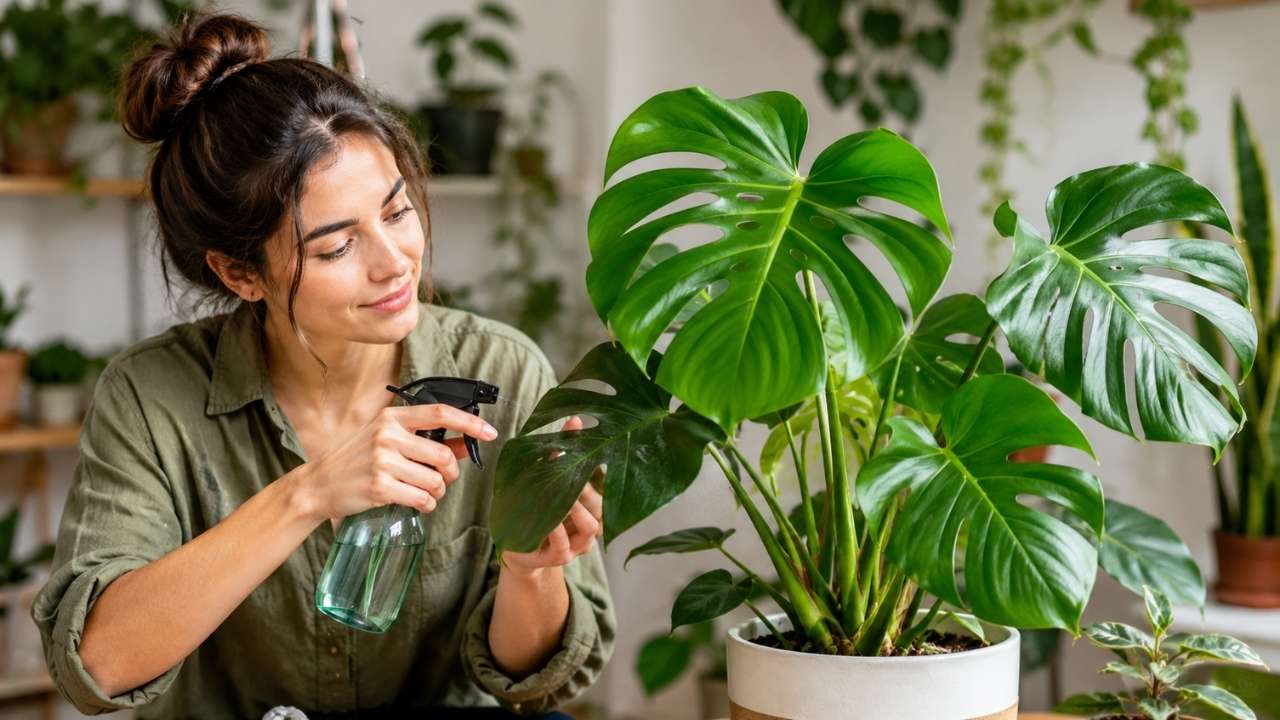
Monsteroideae Plant Care: Monsteroideae plants are among the most loved tropical houseplants in the world because of their bold foliage and easygoing nature. These plants bring a lush jungle feeling into homes, offices, and indoor spaces with very little effort when their basic needs are understood. Many people are drawn to them because they grow quickly, adapt well indoors, and create a striking visual impact even in simple setups.
This group of plants includes popular tropical species known for their large, patterned, or uniquely shaped leaves. While they look exotic, they are surprisingly forgiving and suitable even for beginners. With the right balance of light, water, humidity, and soil, they can thrive for many years and grow into impressive indoor greenery.
Understanding Monsteroideae Family
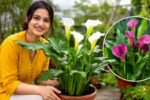
Monsteroideae is a subfamily of tropical plants that belong to the larger Araceae family. These plants naturally grow in warm and humid rainforests where they often climb trees or spread across the forest floor. Their growth habit is adapted to filtered sunlight and rich organic matter found in their natural environment.
One of the defining features of this plant group is their ability to develop aerial roots. These roots help them attach to surfaces and absorb moisture from the air. In indoor environments, these roots may look unusual at first, but they are completely normal and indicate healthy growth.

Another interesting characteristic is their leaf development. Young leaves often appear simple, while mature leaves become more complex in shape with natural holes or splits. This transformation is part of their natural growth cycle and not a sign of damage.
Ideal Light Conditions
Light plays a major role in the health of Monsteroideae plants. In their natural habitat, they grow under the canopy of taller trees, which means they receive bright but indirect sunlight.
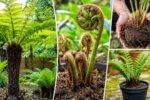
Indoors, they perform best near windows where filtered light is available. Direct harsh sunlight can damage the leaves, causing them to burn or lose color. On the other hand, too little light can slow down growth and result in smaller, less vibrant leaves.
A good approach is to place the plant in a bright room where sunlight is softened by curtains or reflected light. Rotating the plant every few weeks also helps ensure even growth on all sides.
Watering and Humidity Needs
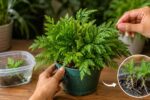
Watering is one of the most important aspects of Monsteroideae plant care. These plants prefer soil that is slightly moist but never waterlogged. Overwatering can lead to root issues, while underwatering can cause leaves to droop and lose their healthy appearance.
A helpful method is to check the top layer of soil before watering. If it feels dry to the touch, it is usually the right time to water again. During warmer months, watering may be needed more frequently, while in cooler months, the frequency should be reduced.
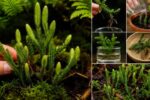
Humidity is equally important. Since these plants originate from tropical environments, they thrive in humid air. Indoor air that is too dry can cause leaf edges to turn brown. To improve humidity, you can place a tray of water near the plant, group it with other plants, or lightly mist the leaves when needed.
Soil and Potting Requirements
Healthy soil is essential for strong root development. Monsteroideae plants prefer a loose and airy soil mix that allows both moisture retention and good drainage. Compact soil can suffocate the roots and slow down growth.

A good potting mix should include organic matter such as compost along with materials that improve airflow around the roots. The pot itself should have drainage holes to prevent excess water from collecting at the bottom.
Repotting is usually needed every one to two years as the plant grows. When roots begin to outgrow the container or appear crowded, moving the plant to a slightly larger pot helps maintain healthy development.

Fertilizing for Healthy Growth
Fertilizing supports strong growth and vibrant foliage in Monsteroideae plants. During the active growing season, typically in warmer months, feeding the plant with a balanced liquid fertilizer can encourage larger leaves and faster development.
It is important not to over fertilize, as too many nutrients can harm the roots and lead to weak growth. A moderate and consistent feeding schedule works best. During cooler months, when growth slows down, fertilizing can be reduced or paused.
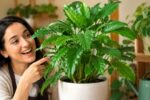
Organic options such as compost tea or natural plant feeds can also be beneficial for long term soil health.
Pruning and Maintenance
Regular maintenance helps keep Monsteroideae plants healthy and visually appealing. Pruning is mainly done to remove yellowing or damaged leaves, which allows the plant to focus its energy on new growth.
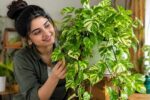
Trimming can also help control size if the plant becomes too large for its space. Cutting back overgrown stems encourages a fuller and more balanced shape over time.
Cleaning the leaves is another important step. Dust can accumulate on large leaves and block light absorption. Wiping the leaves gently with a damp cloth helps the plant breathe better and improves its overall appearance.
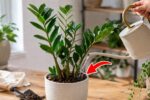
Common Problems and Solutions
Even though Monsteroideae plants are generally easy to care for, they can still face a few common issues. Yellowing leaves are often caused by overwatering or poor drainage. Adjusting the watering schedule and improving soil conditions usually resolves this problem.
Brown leaf edges are typically a sign of low humidity or inconsistent watering. Increasing moisture in the air and maintaining a stable watering routine can help restore leaf health.
Slow growth may indicate insufficient light. Moving the plant to a brighter location often encourages new growth.
Pests such as spider mites or small insects can occasionally appear, especially in dry conditions. Regular inspection and gentle cleaning of leaves can prevent infestations from spreading.
Final Thoughts
Monsteroideae plants are an excellent choice for anyone looking to bring a tropical touch into indoor spaces. Their dramatic foliage, adaptable nature, and relatively simple care needs make them both rewarding and enjoyable to grow.
With the right balance of light, water, humidity, and care, these plants can thrive for years and even decades. They not only enhance interior spaces visually but also create a calming natural atmosphere that connects indoor living with the beauty of the tropics.