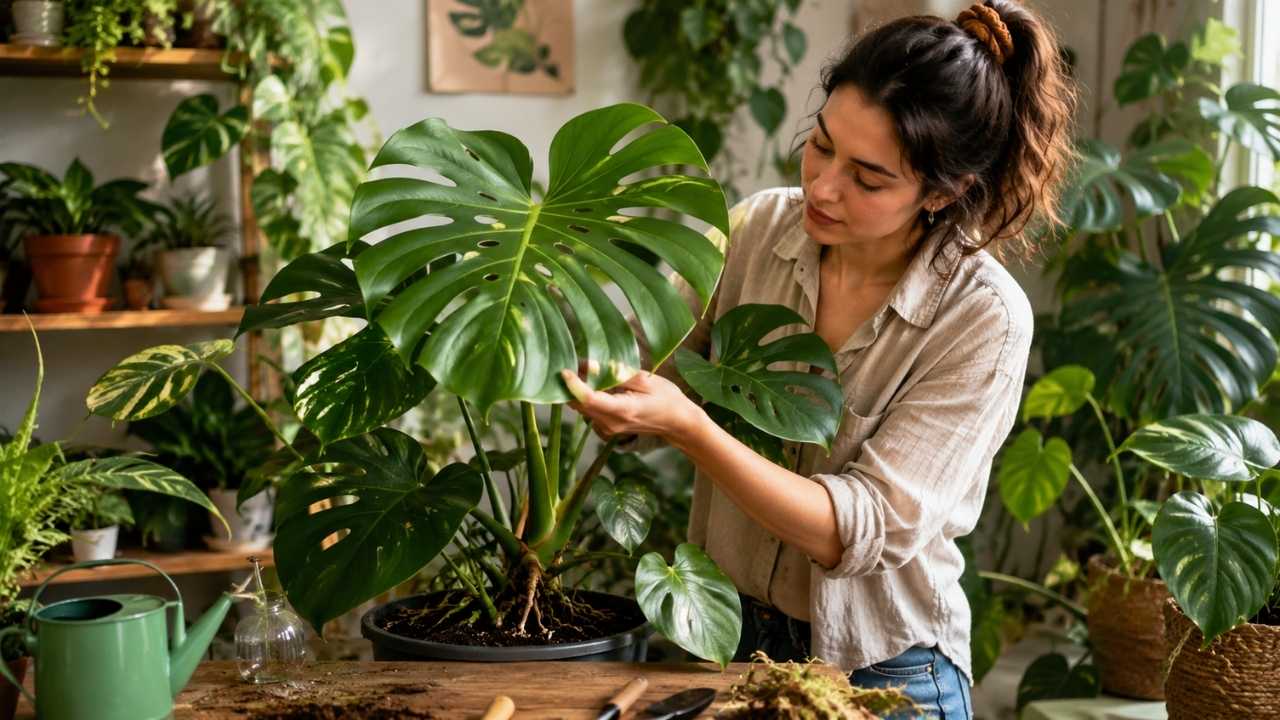
Monsteroideae Plant Care: Monsteroideae plants have become some of the most loved houseplants in the world. Their dramatic leaves, tropical appearance, and relatively simple care requirements make them perfect for both beginners and experienced plant collectors. From the iconic Monstera deliciosa to climbing Philodendrons and other tropical aroids, these plants bring a lush jungle atmosphere into any indoor space.
Native to tropical rainforests, Monsteroideae plants are known for their large foliage, aerial roots, and climbing growth habits. While they look exotic and sometimes intimidating, most varieties are surprisingly easy to maintain once you understand their natural environment and basic needs.

This guide covers everything you need to know about keeping Monsteroideae plants healthy, vibrant, and thriving indoors.
Understanding Monsteroideae Plants
The Monsteroideae subfamily belongs to the Araceae family, commonly called aroids. These plants naturally grow in warm, humid rainforests where they climb trees and absorb filtered sunlight through the forest canopy.
Popular plants within this group include Monstera deliciosa, Monstera adansonii, Rhaphidophora tetrasperma, and several climbing Philodendron varieties. Their signature leaf splits and holes are not just decorative features. In nature, these openings help wind pass through the leaves and allow sunlight to reach lower foliage.
Most Monsteroideae plants are epiphytes or hemi epiphytes, meaning they often grow on other surfaces rather than directly in soil. This explains why they appreciate airy potting mixes and vertical support structures indoors.
Choosing the Right Location
One of the most important parts of Monsteroideae care is selecting the correct spot in your home. These tropical plants love bright indirect light. Too much direct sunlight can scorch their leaves, while too little light may slow growth and prevent leaf fenestration.
An east facing window usually works well because it provides gentle morning sunlight. South or west facing windows can also work if filtered with sheer curtains. If natural light is limited, grow lights can help maintain healthy growth.
Temperature also plays a major role. Monsteroideae plants thrive in temperatures between 65 and 85 degrees Fahrenheit. They dislike cold drafts, sudden temperature changes, and air conditioning vents.
Humidity is another key factor. Since these plants originate from humid jungles, they prefer moisture in the air. A humidity level above 50 percent is ideal, although many varieties can adapt to average indoor conditions.

Watering Without Overwatering
Overwatering is one of the most common mistakes people make with Monsteroideae plants. While they enjoy moisture, they do not like sitting in soggy soil. Constantly wet roots can quickly lead to root rot.
The best approach is to allow the top few inches of soil to dry slightly before watering again. Insert your finger into the soil to check moisture levels. If the soil still feels damp, wait another day or two.

When watering, thoroughly soak the soil until water drains from the bottom of the pot. Empty any excess water from trays or decorative containers to avoid waterlogged roots.
During spring and summer, plants usually require more frequent watering because they are actively growing. In winter, growth slows down, so watering should be reduced.

Yellow leaves often signal overwatering, while curling or crispy leaves may indicate underwatering or low humidity.
Using the Best Soil Mix
Monsteroideae plants need a loose and breathable soil mix that mimics the airy conditions of rainforest floors. Standard potting soil alone is usually too dense for these plants.

A good mix often contains potting soil, orchid bark, perlite, coconut coir, and charcoal. This combination provides excellent drainage while still retaining enough moisture for healthy roots.
The goal is to create a chunky mix that allows oxygen to circulate freely around the root system. Healthy roots are essential for strong growth and large leaves.
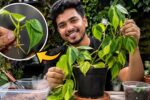
Choosing a pot with drainage holes is equally important. Without proper drainage, even the best soil can become compacted and overly wet.
Supporting Climbing Growth
Many Monsteroideae plants are natural climbers. In the wild, they attach themselves to trees using aerial roots. Indoors, providing vertical support encourages larger leaves and healthier development.
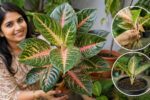
Moss poles, coco coir poles, wooden planks, and trellises all work well. As the plant grows, gently tie stems to the support structure using soft plant ties.
Climbing plants often produce more mature foliage compared to plants left trailing in hanging baskets. This is especially noticeable with Monstera deliciosa and Monstera adansonii.
Keeping aerial roots healthy can also improve growth. These roots absorb moisture and help anchor the plant as it climbs.
Feeding and Fertilizing
Monsteroideae plants benefit from regular feeding during the growing season. Spring and summer are the best times to fertilize because plants are actively producing new leaves.
A balanced liquid fertilizer diluted to half strength usually works well. Feeding once every four to six weeks is often enough for most indoor plants.
Avoid overfertilizing because excess nutrients can damage roots and cause leaf burn. If you notice white crust on the soil surface, flush the pot thoroughly with water to remove salt buildup.
During autumn and winter, reduce or stop fertilizing since plant growth naturally slows down.
Pruning and Cleaning Leaves
Pruning helps maintain the shape and health of Monsteroideae plants. Remove yellow, damaged, or dying leaves using clean scissors or pruning shears.
Trimming leggy growth can also encourage fuller development. If your plant becomes too large, stem cuttings can be propagated to create new plants.
Cleaning leaves is another important part of care. Dust buildup blocks sunlight and reduces photosynthesis. Wipe leaves gently with a damp cloth every few weeks to keep them shiny and healthy.
Avoid using commercial leaf shine products because they may clog leaf pores.
Propagating Monsteroideae Plants
Propagation is one of the most rewarding aspects of growing Monsteroideae plants. Most varieties can be propagated easily from stem cuttings.
A healthy cutting should include at least one node and preferably an aerial root. Place the cutting in water, sphagnum moss, or moist soil until roots develop.
Water propagation is especially popular because it allows you to watch root growth over time. Once roots become several inches long, the cutting can be transferred into soil.
Warm temperatures and bright indirect light help speed up the rooting process.
Common Problems and Solutions
Even easy care plants can occasionally develop issues. Fortunately, most Monsteroideae problems are simple to identify and fix.
Brown leaf edges often indicate low humidity or inconsistent watering. Increasing humidity and maintaining a steady watering schedule usually helps.
Yellow leaves may result from overwatering, poor drainage, or lack of light. Check soil moisture and inspect roots if the problem continues.
Drooping leaves can happen when plants become too dry or experience sudden environmental changes.
Pests such as spider mites, mealybugs, and fungus gnats sometimes appear indoors. Regular inspection and quick treatment with insecticidal soap or neem oil can prevent infestations from spreading.
Slow growth is often caused by insufficient light. Moving the plant closer to a bright window usually improves growth within a few weeks.
Repotting for Healthy Growth
Monsteroideae plants eventually outgrow their containers. Signs that a plant needs repotting include roots growing from drainage holes, compacted soil, and slowed growth.
Repotting is best done during spring or early summer. Choose a pot that is only slightly larger than the current one because oversized pots can hold too much moisture.
After repotting, water the plant thoroughly and place it in bright indirect light. Some temporary drooping is normal while the plant adjusts to its new environment.
Refreshing the soil every couple of years also helps maintain healthy nutrient levels and proper drainage.
Creating the Perfect Tropical Environment
If you want your Monsteroideae plants to truly thrive, try recreating a rainforest like environment indoors. Grouping plants together naturally raises humidity levels. Humidifiers are also extremely effective, especially during dry winter months.
Good airflow helps prevent fungal issues while keeping foliage healthy. However, avoid placing plants near strong fans or air conditioners.
Consistency is one of the biggest secrets to successful plant care. Stable temperatures, regular watering habits, and proper lighting create an environment where tropical plants can flourish year round.
Final Thoughts
Monsteroideae plants are among the most rewarding tropical houseplants you can grow indoors. Their striking leaves, climbing habits, and easy going nature make them ideal for adding greenery and personality to any space.
By providing bright indirect light, breathable soil, proper watering, and occasional support for climbing, you can enjoy healthy and beautiful plants for many years. Whether you are growing a classic Monstera deliciosa or experimenting with rarer varieties, understanding their tropical origins will help you create the perfect indoor environment.
With patience and consistent care, Monsteroideae plants can transform your home into a thriving indoor jungle filled with lush green foliage and stunning natural beauty.