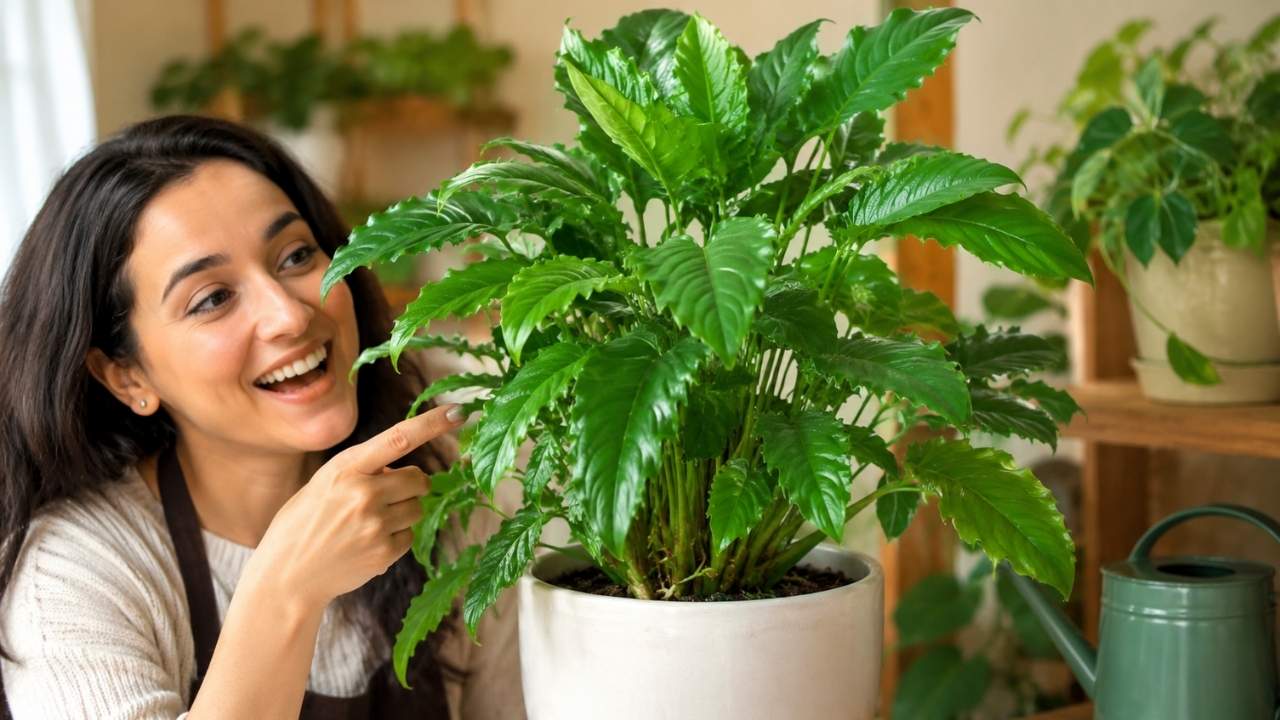
Filarum Plant Care: Houseplants bring freshness, color, and a calming atmosphere into any indoor space. Among the many beautiful tropical plants available today, the Filarum plant has become a favorite for plant lovers because of its lush foliage and elegant appearance. Its attractive leaves and relatively manageable care routine make it suitable for both beginners and experienced gardeners.
Although the Filarum plant is not considered extremely difficult to maintain, it still requires proper care to thrive indoors. Understanding the right balance of soil, watering, humidity, and lighting can make a huge difference in the plant’s growth and overall health. This guide covers everything you need to know to keep your Filarum plant healthy, vibrant, and long lasting.

Understanding the Filarum Plant
The Filarum plant is admired mainly for its tropical look and decorative foliage. Its broad green leaves create a rich indoor aesthetic that instantly enhances living rooms, offices, and workspaces. Like many tropical plants, it naturally grows in warm and humid environments where filtered sunlight is available throughout the day.
Because of its tropical origins, the plant adapts well to indoor conditions when proper care is provided. It does not demand constant attention, but ignoring basic needs such as moisture levels or lighting can lead to yellow leaves, root problems, or slow growth.

The key to successful Filarum care is consistency. Stable indoor temperatures, moderate watering, and indirect light usually produce the best results.
Choosing the Right Soil
Soil plays one of the most important roles in the health of a Filarum plant. Poor soil can quickly lead to root rot, nutrient deficienciesencies, and weak growth. The plant prefers loose, airy, and well draining soil that allows roots to breathe while still retaining some moisture.
A high quality indoor potting mix works well as a base. Many plant owners improve drainage by mixing in perlite, orchid bark, or coarse sand. This combination helps prevent water from sitting around the roots for too long.
Heavy garden soil should be avoided because it compacts easily and traps excess moisture. When the roots remain soggy for extended periods, fungal diseases and root rot become much more likely.

The ideal soil should feel slightly moist after watering but never muddy or waterlogged. If water remains on the surface for too long, the soil likely needs better drainage.
Repotting is also important for maintaining healthy soil conditions. Most Filarum plants benefit from repotting every one to two years. Fresh soil provides new nutrients and gives roots additional room to expand.

Proper Watering Techniques
Watering mistakes are among the most common reasons indoor plants struggle. The Filarum plant enjoys moderate moisture but does not tolerate excessive watering.
Instead of following a strict watering schedule, it is better to check the soil regularly. Insert your finger about one to two inches into the soil. If the top layer feels dry, it is usually time to water. If the soil still feels damp, wait another day or two.

When watering, soak the soil thoroughly until excess water drains from the bottom of the pot. This ensures the roots receive enough moisture without becoming waterlogged. Always empty drainage trays afterward because standing water can damage the roots.
During warmer months, the plant may require more frequent watering due to increased evaporation and active growth. In cooler seasons, watering should be reduced because the plant uses moisture more slowly.

Yellow leaves often indicate overwatering, while dry curling leaves may suggest underwatering. Observing the foliage closely helps identify watering issues early before serious damage occurs.
Humidity also influences watering needs. Since the Filarum plant enjoys a humid environment, dry indoor air may cause faster moisture loss from the leaves and soil.

Light Requirements for Healthy Growth
Lighting is another major factor in successful Filarum care. This plant thrives best in bright indirect light. A location near a window with filtered sunlight is usually ideal.
Direct harsh sunlight can scorch the leaves, causing brown patches or faded coloring. On the other hand, insufficient light may result in weak stems, smaller leaves, and slow growth.

East facing windows often provide gentle morning sunlight that works very well for tropical indoor plants. South or west facing windows can also be suitable if sheer curtains are used to diffuse intense afternoon rays.
If natural light is limited indoors, grow lights can help maintain healthy growth. Position artificial lights several inches above the plant and keep them on for approximately ten to twelve hours daily.

Rotating the plant every few weeks encourages even growth because all sides receive similar light exposure. Without rotation, the plant may lean toward the strongest light source.
Healthy lighting conditions usually produce rich green foliage and steady new leaf development.
Ideal Temperature and Humidity
As a tropical species, the Filarum plant prefers warm temperatures and moderate to high humidity. Typical indoor temperatures between 65 and 80 degrees Fahrenheit are generally comfortable for the plant.
Cold drafts, sudden temperature changes, and exposure to air conditioning vents can stress the plant. Keeping it away from frequently opened doors or cold windows during winter helps maintain stable conditions.
Humidity is especially important for tropical foliage plants. Dry indoor air can lead to crispy leaf edges and reduced growth. Increasing humidity around the plant can greatly improve its appearance.
One simple method is placing a tray of water with pebbles beneath the pot. As the water evaporates, humidity increases around the plant. Grouping several plants together can also create a more humid microenvironment.
In very dry climates, using a humidifier may provide the best results. Regular misting can offer temporary relief, although it is usually not enough on its own.
Fertilizing the Filarum Plant
Like most indoor plants, the Filarum plant benefits from occasional feeding during active growth periods. Fertilizer supplies essential nutrients that support leaf production and overall health.
A balanced liquid houseplant fertilizer diluted to half strength usually works well. Feeding once every four to six weeks during spring and summer is typically sufficient.
Overfertilizing should be avoided because excess salts can accumulate in the soil and damage the roots. Signs of too much fertilizer include brown leaf tips, weak growth, and crusty residue on the soil surface.
During autumn and winter, the plant’s growth naturally slows down, so fertilizing should be reduced or paused entirely.
Flushing the soil occasionally with clean water can help remove built up mineral deposits and maintain healthy root conditions.
Common Problems and Solutions
Even with proper care, the Filarum plant may occasionally experience issues. Recognizing symptoms early can prevent more serious damage.
Yellow leaves are commonly linked to overwatering or poor drainage. Checking the roots and allowing the soil to dry slightly before watering again often solves the problem.
Brown crispy edges usually indicate low humidity or inconsistent watering. Increasing moisture in the air and maintaining regular watering habits can help restore healthy foliage.
Drooping leaves may occur from both underwatering and overwatering, making soil inspection essential before adjusting care routines.
Pests such as spider mites, mealybugs, and aphids sometimes appear on indoor tropical plants. Inspect the leaves regularly, especially underneath where insects tend to hide. Wiping the leaves with a damp cloth or using insecticidal soap can help control infestations.
Slow growth may simply indicate that the plant needs more light or fresh nutrients. Relocating it to a brighter spot often improves growth within a few weeks.
Pruning and Maintenance
Routine maintenance helps keep the Filarum plant attractive and healthy. Removing damaged or yellowing leaves encourages new growth and improves appearance.
Clean scissors or pruning shears should always be used to avoid spreading bacteria or disease. Dusting the leaves occasionally also allows the plant to absorb light more effectively.
Large leaves naturally collect dust indoors, which can reduce photosynthesis efficiency over time. A soft damp cloth works well for gentle cleaning.
If the plant becomes overcrowded, division during repotting may help maintain manageable size while creating new plants for propagation.
Consistent care and regular observation are the best ways to maintain a thriving indoor plant.
Final Thoughts
The Filarum plant is an excellent choice for anyone looking to add tropical beauty to indoor spaces. Its lush foliage and elegant structure make it a standout decorative plant while still remaining manageable for everyday plant owners.
Success with this plant mainly comes down to understanding its natural preferences. Well draining soil, balanced watering, bright indirect light, warm temperatures, and moderate humidity all contribute to healthy growth.
Although occasional issues such as yellow leaves or dry edges may appear, most problems are easy to correct once the underlying cause is identified. With steady care and attention, a Filarum plant can remain healthy and vibrant for many years.
Whether placed in a living room corner, office desk, or bedroom shelf, this tropical beauty can transform indoor spaces with its refreshing greenery and calming presence.