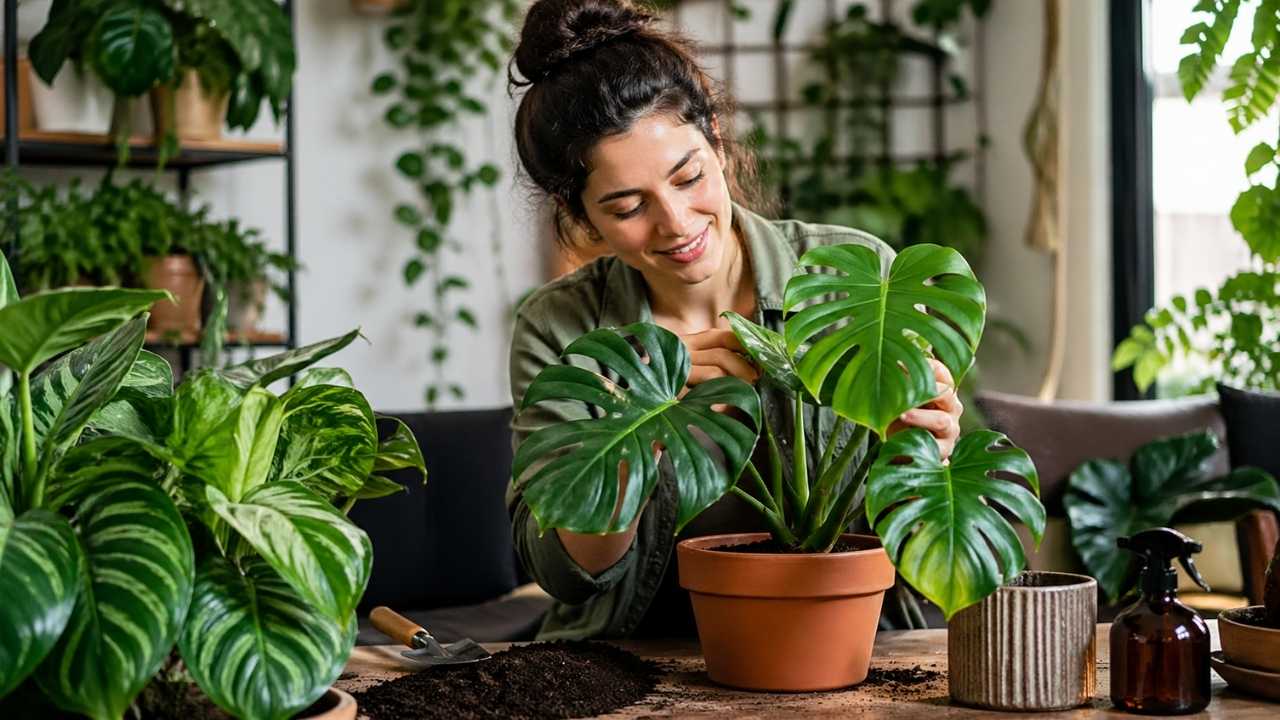
Monsteroideae Care Guide: Monsteroideae is a subfamily of tropical plants within the Araceae family that is well-known for its striking foliage and climbing growth habits. Plants in this group, including popular species like Monstera deliciosa, have captivated plant enthusiasts worldwide due to their large, often perforated leaves and adaptability to indoor environments.
These tropical plants originate primarily from Central and South America, thriving in humid forest environments where they climb trees to access filtered sunlight. Understanding their natural habitat is key to successfully growing Monsteroideae indoors or in tropical gardens. With the right care, these plants can develop large, healthy leaves and become impressive focal points in any space.

Understanding Their Natural Habitat
Monsteroideae plants are climbers by nature, often using aerial roots to attach themselves to trees and other structures. They grow under forest canopies, receiving dappled sunlight and consistent humidity. The soil in their natural environment is well-draining, rich in organic matter, and maintains moisture without becoming waterlogged.
Recreating these conditions indoors or in cultivation is essential for healthy growth. Plants that receive proper light, moisture, and support for climbing are more likely to develop characteristic large leaves and maintain vigorous growth patterns.
Light Requirements
Providing the right light is crucial for Monsteroideae plants. These tropical plants thrive in bright, indirect light that mimics the filtered sunlight of their natural forest environment. Direct sunlight can scorch their leaves, causing brown patches or faded color, while insufficient light can lead to smaller leaves and slower growth.
Positioning the plant near an east or north facing window usually provides optimal lighting. In spaces where natural light is limited, using artificial grow lights can supplement and maintain consistent growth. Monitoring leaf size, color, and new growth can help determine if light conditions are adequate.
Soil and Potting Considerations
Soil quality is vital for Monsteroideae care. These plants require a loose, well-draining soil mix that allows roots to breathe while retaining enough moisture. A combination of potting soil, perlite, orchid bark, and a small amount of coco coir works well to meet these needs.
Avoid compact soils that can hold excessive water, as this can lead to root rot. Choosing a pot with drainage holes ensures that excess water can escape. Repotting is typically necessary every one to two years or when the plant becomes root bound. Gradually increasing pot size allows roots to expand without overwhelming the plant.
Watering Practices
Watering Monsteroideae correctly is critical for healthy growth. The soil should be kept consistently moist but never waterlogged. Overwatering is a common issue that can damage roots, while underwatering can cause drooping or yellowing leaves.
A good rule of thumb is to water the plant when the top inch of soil feels dry. Water thoroughly, allowing excess water to drain from the bottom of the pot. During winter or periods of slower growth, reduce watering to match the plant’s lower water needs. Using filtered water or rainwater is ideal, as these plants can be sensitive to chemicals in tap water.
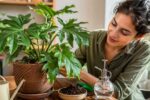
Temperature and Humidity Needs
Monsteroideae plants thrive in warm and humid conditions. Ideal temperatures range from 20 to 30 degrees Celsius. Exposure to cold drafts or temperatures below 15 degrees Celsius can stress the plant and slow growth.
High humidity levels, ideally above 60 percent, are beneficial. Indoor air, especially during winter, can be dry, so increasing humidity through methods such as a water tray, misting, or a humidifier can promote healthy foliage. Maintaining stable environmental conditions supports vigorous growth and reduces the likelihood of leaf damage.
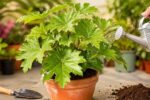
Fertilizing for Vigorous Growth
Fertilization supports healthy growth and robust foliage in Monsteroideae plants. During the growing season, typically spring and summer, feeding once a month with a balanced liquid fertilizer encourages strong stems and vibrant leaves.
Fertilizer should be diluted to avoid overfeeding, which can harm the roots. During periods of slow growth or dormancy, reduce or pause fertilization to match the plant’s lower nutrient requirements. Proper nutrition is essential for producing large, healthy leaves and maintaining overall plant vitality.
Supporting Growth with Structures
As climbing plants, Monsteroideae benefit from structures that support their natural growth habit. Moss poles, trellises, or stakes provide surfaces for aerial roots to attach, encouraging upward growth and larger leaves.
Providing support also mimics the plant’s natural environment, improving air circulation around the foliage and reducing the risk of damage from sprawling stems. Training the plant gradually along a support structure helps maintain an attractive, organized appearance.
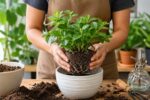
Propagation Techniques
Monsteroideae plants are relatively easy to propagate, most commonly through stem cuttings. To propagate, select a healthy stem with at least one node and a few leaves. Cut just below the node and place the cutting in water or a moist soil mix.
If rooting in water, wait until roots develop before transferring the cutting to soil. Keep newly propagated plants in warm, humid conditions with indirect light. Within a few weeks, roots will form, and new growth will appear. This method allows gardeners to expand their collection or replace older, less vigorous plants.
Common Issues and Troubleshooting
While generally resilient, Monsteroideae plants can experience issues if their care needs are not met. Yellowing leaves often indicate overwatering, while drooping leaves can signal underwatering or low humidity. Brown leaf edges are typically caused by dry air or inconsistent watering.
Pests such as spider mites, aphids, or mealybugs may occasionally appear. Regular inspection, maintaining proper humidity, and cleaning leaves can help prevent infestations. Addressing problems early ensures the plant continues to grow healthy and strong.
Conclusion
Monsteroideae plants are captivating tropical climbers that can thrive indoors or in tropical gardens with the right care. Their striking foliage, climbing habit, and adaptability make them a favorite among plant enthusiasts.
By providing bright, indirect light, well-draining soil, consistent moisture, and appropriate support structures, gardeners can encourage robust growth and large, healthy leaves. Maintaining warm temperatures and high humidity further supports their tropical nature.
With proper fertilization, attention to environmental conditions, and occasional propagation, Monsteroideae plants can become long-lasting, beautiful additions to any indoor or outdoor plant collection. Patience and consistent care are key to enjoying their full potential, making them both rewarding and visually striking companions in your home or garden