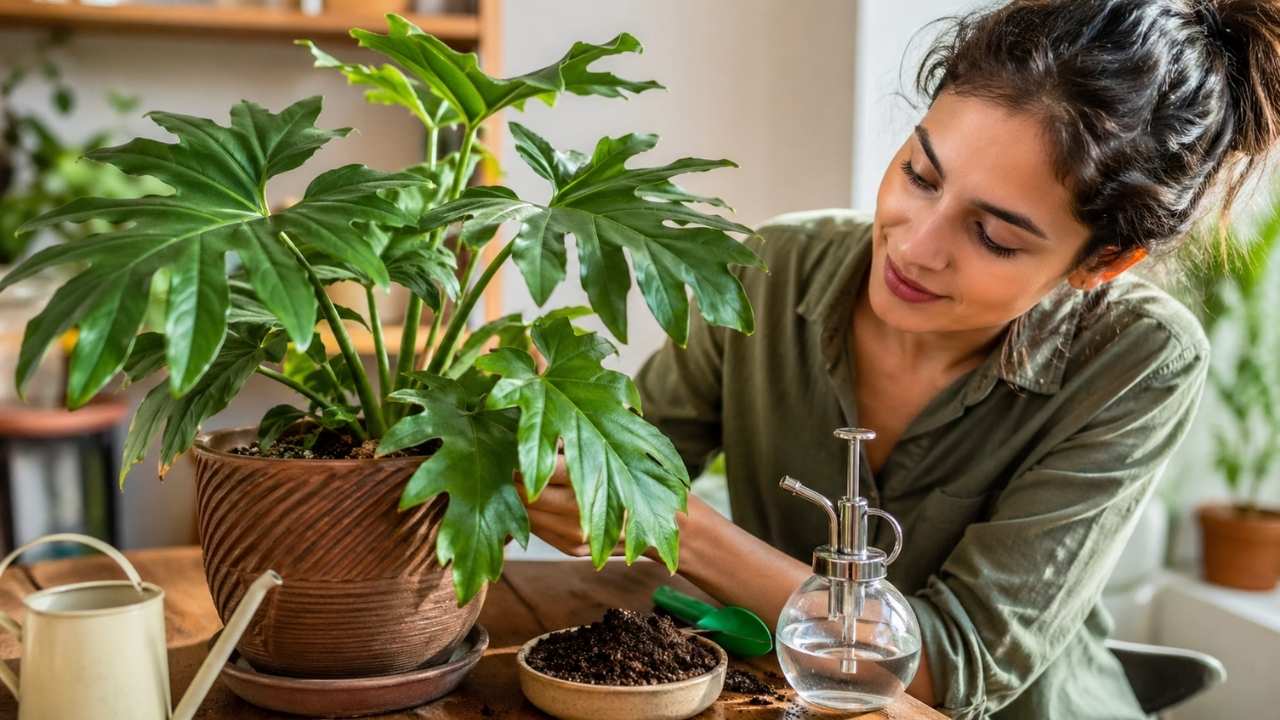
Filarum Plant Care Guide: Filarum is an intriguing tropical plant that is increasingly popular among indoor gardeners due to its delicate foliage and unique growth habits. Native to humid forests, this plant thrives in environments that replicate the forest understory, where light is filtered and humidity is high. Its graceful leaves and compact size make it an excellent choice for indoor cultivation, adding a touch of lush greenery to homes and offices.
Though not as widely known as other houseplants, Filarum has a charm that appeals to both beginners and experienced collectors. With proper care, it can grow steadily and maintain its vibrant appearance throughout the year.

Ideal Soil for Filarum
The right soil is crucial for the health and growth of Filarum. These plants prefer a soil mix that is both well draining and rich in organic matter. Heavy or compact soils can retain too much water and lead to root problems, while soils that drain too quickly may not retain enough moisture for healthy growth.
A good potting mix for Filarum includes standard potting soil combined with perlite or coarse sand to improve drainage. Adding a small amount of organic material, such as compost or coco coir, helps retain moisture and provides essential nutrients. The goal is to create a medium that is airy enough to allow roots to breathe but retains adequate moisture for steady growth.

Repotting is recommended every one to two years or when the plant becomes root bound. Choose a pot with drainage holes to prevent water from accumulating at the bottom, which can cause rot.
Watering Guidelines
Watering is one of the most important aspects of Filarum care. This plant thrives when the soil is consistently moist, but overwatering can quickly lead to root rot. The best approach is to water when the top inch of the soil feels dry to the touch.

During the growing season, typically spring and summer, Filarum will require more frequent watering. In cooler months or during periods of slower growth, watering should be reduced. Always ensure that excess water can drain freely from the pot.
Using filtered or rainwater is ideal, as these plants can be sensitive to chemicals commonly found in tap water. Monitoring the plant’s leaves can also help determine if watering needs adjustment. Yellowing leaves may indicate overwatering, while drooping or curling leaves can suggest that the plant is underwatered.

Light Requirements for Healthy Growth
Filarum naturally grows under the canopy of tropical forests, meaning it prefers bright, indirect light. Direct sunlight can scorch the leaves, while insufficient light can slow growth and cause leaves to become pale.
An east or north facing window usually provides the right balance of light. If natural light is limited, supplementing with a grow light can help maintain consistent conditions. Consistent lighting is important, as sudden changes can stress the plant and inhibit its growth.

Observing the plant is key. Healthy, vibrant leaves indicate adequate light, while elongated stems or smaller leaves may suggest that the plant is not receiving enough light.
Temperature and Humidity Needs
Filarum is a tropical plant and thrives in warm, humid conditions. Ideal temperatures range from 18 to 28 degrees Celsius. Exposure to cold drafts or temperatures below 15 degrees Celsius can cause stress and stunt growth.
High humidity is also important for Filarum. Levels above 60 percent are optimal. In dry indoor environments, using a humidifier or placing the plant on a tray filled with water and pebbles can help maintain appropriate moisture in the air.
Regular misting can support humidity but should not replace proper environmental control. Stable temperature and humidity conditions promote healthy leaves and prevent issues such as browning edges.
Fertilizing and Nutrient Needs
Filarum benefits from regular feeding during its active growth period. A balanced liquid fertilizer applied once a month is sufficient for most plants. Fertilizer should be diluted to half strength to prevent overfeeding, which can damage the roots.
During dormant periods, typically in cooler months, fertilizing should be reduced or stopped, as the plant’s nutrient needs decrease. Proper fertilization encourages stronger stems, vibrant leaves, and overall healthier growth.

Propagation Methods
Propagating Filarum is generally straightforward and is commonly done through division. This method works best when the plant has grown enough to develop multiple growth points.
To propagate, carefully remove the plant from its pot and gently separate sections that have their own roots and leaves. Each section should be planted in fresh soil and watered lightly. Newly propagated plants should be placed in a warm, humid environment with indirect light to encourage root development.

Within a few weeks, new growth should appear, indicating successful propagation.
Common Problems and How to Address Them
Filarum is generally a resilient plant but can face a few common issues if its care needs are not met. Overwatering is the most common problem and can lead to root or tuber rot. Proper drainage and monitoring watering frequency can prevent this.
Yellowing leaves may indicate excess water, while browning tips often suggest low humidity or inconsistent watering. Adjusting environmental conditions usually resolves these issues.
Pests such as spider mites and mealybugs can occasionally appear, particularly in dry conditions. Regularly inspecting the plant and maintaining a humid environment can prevent infestations.
Prompt attention to any issues ensures that Filarum remains healthy and continues to thrive.
Final Thoughts
Filarum is a beautiful and unique tropical plant that brings a touch of lush greenery to any space. While it may appear delicate at first, understanding its soil, watering, and light needs makes it relatively easy to care for.
By providing a well draining soil mix, maintaining consistent moisture, and ensuring bright, indirect light, you can support healthy growth and vibrant foliage. With proper temperature and humidity control, Filarum can thrive indoors and become a standout feature in your plant collection.
Patience and consistent care are key to nurturing this plant. Over time, it rewards you with elegant leaves and steady growth, making it a satisfying addition to any indoor garden