Zomicarpella Plant Care Guide: Zomicarpella is a lesser known but truly fascinating genus of tropical plants that belongs to the Araceae family. Often appreciated by collectors and plant enthusiasts, this plant stands out for its compact size, underground tuber, and subtle yet attractive foliage. Native to South American regions, especially humid forest environments, Zomicarpella thrives in conditions that mimic the forest floor.
Unlike many common houseplants, Zomicarpella has a unique growth cycle that includes periods of active growth followed by dormancy. Understanding this natural rhythm is essential for keeping the plant healthy. Though it may seem rare or difficult at first, with the right approach, it becomes quite manageable even for beginners.

Understanding the Right Soil Mix
Soil plays a crucial role in the health of Zomicarpella. Because this plant grows from a tuber, it is highly sensitive to excess moisture. A heavy or compact soil mix can quickly lead to rot, which is one of the most common problems growers face.
The ideal soil should be light, airy, and well draining. A mix of potting soil, perlite, and coarse sand works well to ensure proper drainage. You can also add a bit of orchid bark to improve aeration. The goal is to create a medium that allows water to pass through easily while still holding enough moisture for the roots.

Avoid using garden soil or dense compost, as these can retain too much water and suffocate the tuber. A breathable soil mix not only protects the plant from rot but also supports healthy root development.
Watering Needs and Seasonal Changes
Watering Zomicarpella requires a bit of attention to its natural growth cycle. During the active growing season, which typically occurs in warmer months, the plant needs moderate watering. The soil should be kept slightly moist but never soggy.

Before watering, always check the top layer of soil. If it feels dry, you can water thoroughly and allow excess water to drain out. It is important not to let the plant sit in standing water, as this can damage the tuber.
During dormancy, which usually happens in cooler months, the plant requires very little water. In fact, overwatering during this period can be harmful. Reduce watering significantly and allow the soil to stay mostly dry until new growth appears.

Paying attention to the plant’s signals, such as yellowing leaves or slowing growth, can help you adjust your watering routine accordingly.
Light Requirements for Balanced Growth
Zomicarpella prefers bright, indirect light that mimics the filtered sunlight of its natural habitat. Direct sunlight can be too harsh and may cause leaf burn, while too little light can result in weak growth and smaller leaves.

A spot near a window with diffused light is ideal. East or north facing windows usually provide the right balance. If natural light is limited, you can use artificial grow lights to supplement the plant’s needs.
Consistency in lighting is important. Sudden changes in light conditions can stress the plant and affect its growth cycle. Observing the leaves can give you clues about whether the plant is receiving the right amount of light.

Temperature and Humidity Preferences
Being a tropical plant, Zomicarpella thrives in warm temperatures. Ideally, it should be kept in an environment where temperatures range between 18 to 30 degrees Celsius. It does not tolerate cold conditions well, so avoid placing it near drafts, air conditioners, or open windows during winter.
Humidity also plays an important role in its overall health. Moderate to high humidity levels are preferred, although the plant can adapt to average indoor conditions. If the air is too dry, especially during winter, consider increasing humidity through simple methods like placing a water tray nearby.

Maintaining stable temperature and humidity conditions will help the plant grow steadily and reduce the risk of stress related issues.
Growth Habits and Maintenance
Zomicarpella is a slow growing plant, which makes it ideal for indoor gardening. Its compact nature means it does not require frequent repotting or heavy maintenance. The plant typically produces a few leaves at a time, each emerging from the tuber.
Routine care includes removing any yellow or dead leaves to keep the plant tidy and encourage new growth. Cleaning the leaves occasionally can also help improve light absorption and keep the plant looking fresh.
Fertilization can be done during the growing season using a diluted balanced fertilizer once a month. Avoid feeding during dormancy, as the plant is not actively growing and does not require additional nutrients.

Propagation Techniques Made Simple
Propagation of Zomicarpella is usually done through division of the tuber. This method is straightforward and effective when the plant has matured enough to develop multiple growth points.
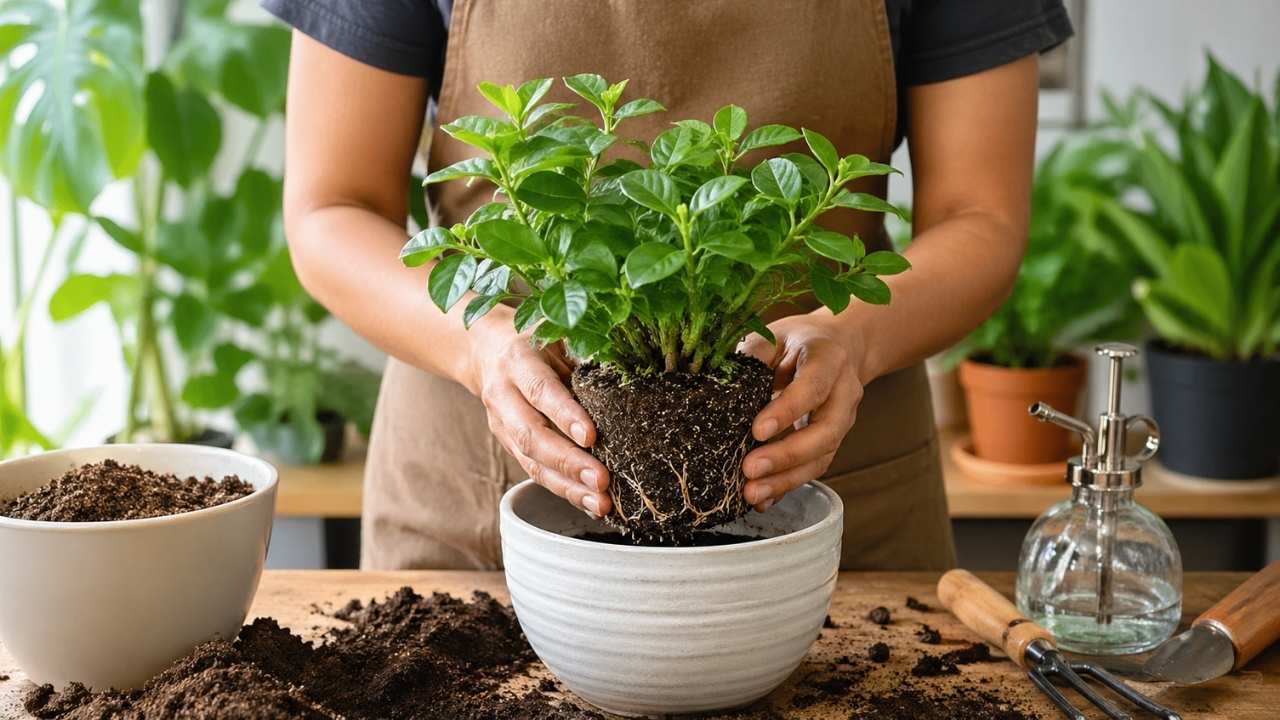
To propagate, gently remove the plant from its pot and locate the tuber. Carefully separate sections that have their own roots and growth buds. Each division should be planted in its own container with fresh soil.
After propagation, water lightly and place the new plants in a warm, humid environment with indirect light. Avoid overwatering during this stage, as the newly divided tubers are more vulnerable to rot.
With proper care, new growth should begin to appear within a few weeks, signaling successful propagation.
Common Problems and How to Fix Them
Zomicarpella is generally a hardy plant, but it can face a few common issues if not cared for properly. Overwatering is the most frequent problem and often leads to root or tuber rot. Ensuring proper drainage and adjusting watering habits can prevent this issue.
Yellowing leaves may indicate excess water or poor soil conditions, while drooping leaves can be a sign of underwatering or sudden environmental changes.
Pests are not very common, but the plant can occasionally attract insects like spider mites or mealybugs. Regular inspection and maintaining a clean environment can help keep pests at bay.
Addressing problems early is the best way to ensure the plant remains healthy and continues to grow.
Final Thoughts
Zomicarpella may not be as widely known as other houseplants, but it offers a unique charm that makes it worth growing. Its unusual growth pattern, combined with its low maintenance nature, makes it a great choice for plant lovers who enjoy something a little different.
By focusing on well draining soil, careful watering, and understanding its seasonal needs, you can successfully grow and propagate this plant. With patience and consistency, Zomicarpella can thrive and become a beautiful addition to your indoor plant collection