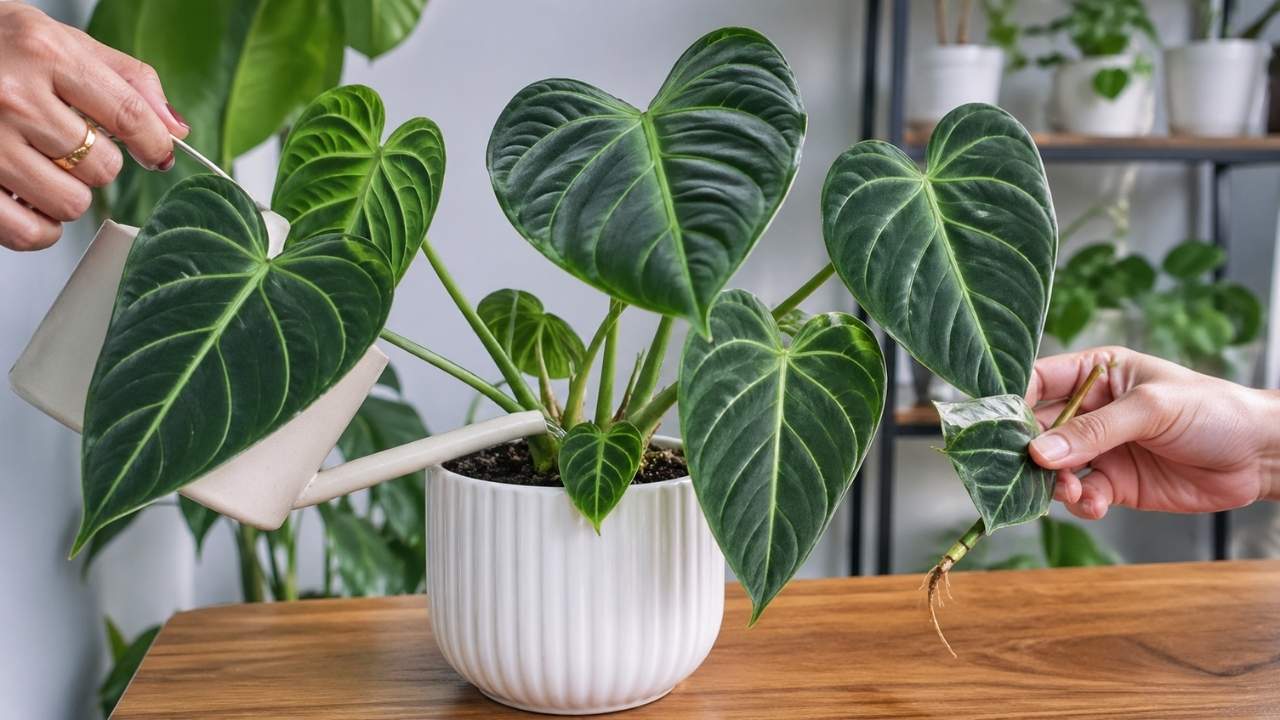
Heteroaridarum Plant Care Guide: Heteroaridarum is a rare and fascinating genus of tropical plants that has recently started gaining attention among plant enthusiasts and collectors. Known for their unusual foliage and compact growth habit, these plants are often prized for their unique leaf textures and subtle yet striking appearance. Native to humid forest environments, they thrive under specific conditions that mimic their natural habitat.
If you are looking to grow something uncommon yet manageable, Heteroaridarum can be a rewarding addition to your indoor or shaded garden collection. Understanding its basic care needs is the key to keeping it healthy and encouraging steady growth.

Ideal Watering Practices
Watering is one of the most important aspects of Heteroaridarum care. These plants prefer consistently moist soil, but they do not tolerate waterlogged conditions. Overwatering can quickly lead to root rot, which is one of the most common reasons these plants fail.
The best approach is to water when the top layer of soil feels slightly dry to the touch. This usually means watering once or twice a week depending on your climate. In warmer regions or during summer months, you may need to water more frequently. In cooler seasons, reduce watering slightly to avoid excess moisture.
Always use well draining soil so that water does not accumulate around the roots. A pot with drainage holes is essential. If possible, use filtered or rainwater since these plants can be sensitive to harsh chemicals found in tap water.
Light Requirements for Healthy Growth
Heteroaridarum plants naturally grow under forest canopies, which means they prefer indirect light rather than direct sunlight. Bright but filtered light is ideal. Too much direct sun can scorch the leaves, while too little light can slow down growth and cause the plant to lose its vibrant appearance.
Place your plant near a window where it can receive soft, diffused light. East facing windows usually work well. If natural light is limited, you can also use grow lights to maintain consistent lighting conditions.
Observing your plant will help you understand if it is getting the right amount of light. Pale or stretched leaves indicate insufficient light, while burnt edges suggest excessive exposure.

Soil and Potting Needs
The right soil mix plays a crucial role in the overall health of Heteroaridarum. It needs a mix that retains some moisture but still allows excess water to drain quickly. A combination of potting soil, perlite, and orchid bark works well.
This type of mix ensures good aeration around the roots while preventing compaction. Avoid using heavy garden soil, as it can suffocate the roots and hold too much water.
Repotting is generally required every one to two years or when the plant outgrows its container. Choose a pot that is slightly larger than the previous one to give the roots room to expand without overwhelming them with too much soil.
Temperature and Humidity Preferences
Being a tropical plant, Heteroaridarum thrives in warm and humid environments. Ideal temperatures range between 18 to 28 degrees Celsius. Sudden drops in temperature or exposure to cold drafts can stress the plant and affect its growth.
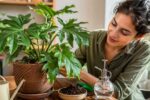
Humidity is equally important. These plants prefer high humidity levels, typically above 60 percent. If your indoor environment is dry, especially during winter, consider using a humidifier or placing the plant on a tray filled with water and pebbles.
Misting can also help, but it should not replace proper humidity control. Consistent moisture in the air helps keep the leaves healthy and prevents browning at the edges.
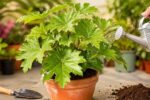
Growth Patterns and Maintenance
Heteroaridarum plants are relatively slow growers, which makes them ideal for indoor spaces where you do not want a plant to quickly outgrow its area. Their compact size and steady growth pattern make them easy to manage.
Regular maintenance includes removing dead or yellowing leaves to encourage new growth. Keeping the leaves clean from dust also helps improve photosynthesis. You can gently wipe them with a damp cloth to maintain their natural shine.
Fertilizing once a month during the growing season can support healthy development. Use a balanced liquid fertilizer diluted to half strength to avoid overfeeding.
Easy Propagation Techniques
Propagation of Heteroaridarum is quite simple and can be done through division. This method works best when the plant has grown large enough and has multiple stems or sections.
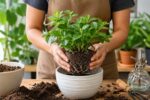
Carefully remove the plant from its pot and gently separate the root clumps. Each division should have its own roots and at least one healthy leaf. Replant the divisions in fresh soil and water lightly.
Keep the newly propagated plants in a warm and humid environment with indirect light. Avoid direct sunlight during this stage, as the plants need time to establish themselves.
With proper care, the new plants will begin to grow independently within a few weeks.
Common Problems and Solutions
Like most houseplants, Heteroaridarum can face a few common issues. Yellowing leaves often indicate overwatering, while dry and crispy edges may suggest low humidity or underwatering.
Pests such as spider mites and mealybugs can occasionally appear, especially in dry conditions. Regularly inspecting your plant and maintaining good humidity can help prevent infestations. If pests are detected, wiping the leaves and using mild insecticidal solutions can resolve the issue.
Root rot is another serious problem, usually caused by poor drainage. Ensuring the right soil mix and proper watering habits will significantly reduce this risk.
Final Thoughts
Caring for Heteroaridarum may seem slightly demanding at first, but once you understand its basic needs, it becomes a fairly low maintenance plant. The key lies in balancing moisture, light, and humidity to replicate its natural habitat.
With the right care routine, this unique plant can thrive and become a standout feature in your indoor garden. Whether you are a beginner looking to explore rare plants or an experienced collector, Heteroaridarum offers both beauty and satisfaction in its growth journey.