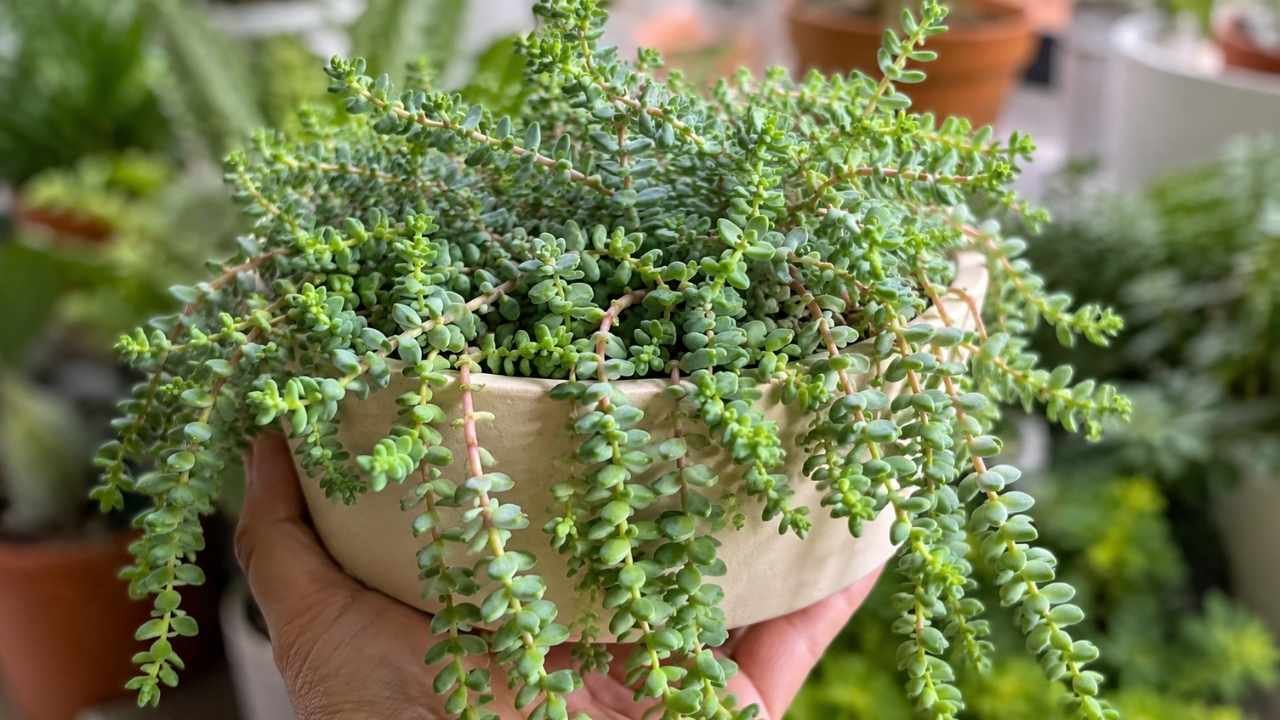
Wigginsia Plant Care Guide: Wigginsia is a fascinating cactus genus that attracts succulent lovers with its compact shape, colorful flowers, and relatively easy maintenance requirements. Native to South America, particularly regions of Uruguay, Brazil, and Argentina, these small globular cacti are admired for their symmetrical appearance and impressive blooms that often appear during the warmer months.
Whether you are a beginner looking for a low maintenance succulent or an experienced collector wanting to expand your cactus collection, Wigginsia can be an excellent choice. These plants are resilient, adaptable, and rewarding when given the right growing conditions. Their attractive ribs, clusters of spines, and bright flowers make them a standout feature in windowsill gardens, greenhouses, and succulent displays.
Growing healthy Wigginsia plants is not difficult, but understanding their specific needs is essential. Proper sunlight, watering habits, soil composition, and seasonal care all play important roles in maintaining a thriving plant. In this guide, you will learn everything you need to know about growing, watering, and propagating Wigginsia succulents successfully.
Understanding Wigginsia Plants
Wigginsia belongs to the cactus family and consists of several species known for their rounded shape and distinctive ribbed structure. Most varieties remain relatively small, making them ideal for indoor cultivation and container gardening.
The body of a Wigginsia cactus is typically green to bluish green and covered with evenly spaced ribs. Small areoles along the ribs produce clusters of spines that vary in length and color depending on the species. During the flowering season, mature plants produce vibrant yellow flowers that can be surprisingly large compared to the size of the cactus itself.
One reason gardeners appreciate Wigginsia is its manageable growth habit. Unlike larger desert cacti that can eventually outgrow indoor spaces, Wigginsia remains compact for many years. This makes it suitable for apartments, offices, balconies, and small gardens.
Although it is a cactus, Wigginsia prefers a balanced approach to care. Excessive watering, poor drainage, and insufficient sunlight are among the most common causes of problems. By replicating its natural habitat conditions, growers can enjoy healthy plants and abundant flowering.
Choosing the Right Location
Location plays a major role in the success of any cactus, including Wigginsia. These plants naturally grow in areas that receive abundant sunlight and good air circulation.
For indoor cultivation, place your Wigginsia near a bright south facing or west facing window where it can receive several hours of direct sunlight each day. Bright light helps maintain the plant’s compact shape and encourages flower production.
If natural sunlight indoors is limited, grow lights can be used as an alternative. Full spectrum LED grow lights provide sufficient illumination and can prevent stretching or weak growth.
Outdoor growers should select a location that receives morning sunlight and some protection from intense afternoon heat, especially in extremely hot climates. While Wigginsia enjoys sunlight, prolonged exposure to scorching temperatures can sometimes cause sunburn.
Good ventilation is equally important. Proper airflow helps reduce humidity around the plant and minimizes the risk of fungal diseases and pest infestations.
Ideal Temperature Requirements
Wigginsia adapts well to a range of temperatures but performs best under warm conditions during its active growing season.
Daytime temperatures between 65°F and 85°F are generally ideal. During spring and summer, the plant actively grows and develops flowers when temperatures remain within this comfortable range.
In winter, Wigginsia benefits from a cooler resting period. Temperatures between 45°F and 60°F help encourage healthy growth and flowering in the following season. However, prolonged freezing temperatures should be avoided because they can damage plant tissues.
If growing outdoors in regions with cold winters, move container plants indoors before frost arrives. Indoor protection ensures the cactus remains healthy and avoids cold related stress.
Best Soil for Healthy Growth
The foundation of a healthy Wigginsia plant begins with proper soil. Like most cacti, it requires excellent drainage to prevent root rot.
A high quality cactus or succulent mix is usually sufficient. However, many experienced growers prefer creating a custom soil blend for even better drainage.
A suitable mixture may include:
• 50 percent cactus potting mix
• 25 percent coarse sand
• 25 percent perlite or pumice
This combination allows excess water to drain quickly while still providing enough moisture retention for root development.
Avoid heavy garden soil or dense potting mixes that remain wet for extended periods. Waterlogged soil is one of the leading causes of cactus failure.
When repotting, always inspect the roots for signs of rot or damage. Healthy roots should appear firm and light colored.
Selecting the Perfect Pot
The choice of container can significantly impact plant health. Wigginsia grows best in pots that promote drainage and prevent excessive moisture accumulation.
Terracotta pots are often considered the best option because they allow moisture to evaporate through their porous walls. This helps maintain a healthier root environment.
Regardless of the material, every container should have drainage holes at the bottom. Without proper drainage, excess water can collect around the roots and create conditions for rot.
Choose a pot that is only slightly larger than the root system. Oversized containers retain more moisture than necessary and can increase the risk of root problems.
Repotting is typically needed every two to three years or when the plant becomes root bound.
How to Water Wigginsia Properly
Watering is perhaps the most important aspect of Wigginsia care. Many beginners mistakenly assume that cacti require almost no water. While they are drought tolerant, they still need consistent moisture during active growth.
The key is allowing the soil to dry completely between watering sessions.
During spring and summer, water thoroughly whenever the soil becomes dry. Saturate the soil until water drains from the bottom of the pot, then allow the mix to dry again before the next watering.
The frequency will depend on factors such as temperature, humidity, pot size, and sunlight exposure. In many cases, watering every one to two weeks during the growing season is sufficient.
As autumn approaches, gradually reduce watering. During winter dormancy, water very sparingly. In some environments, once every four to six weeks may be enough.
Signs of overwatering include:
• Soft or mushy tissue
• Yellowing skin
• Root rot
• Unpleasant odor from the soil
Signs of underwatering include:
• Wrinkled appearance
• Reduced growth
• Shriveled body
Finding the right balance is essential for long term success.
Fertilizing for Strong Growth
Although Wigginsia is not a heavy feeder, occasional fertilization can promote stronger growth and improved flowering.
Use a balanced cactus fertilizer diluted to half strength during spring and summer. Feeding once every four to six weeks is generally adequate.
Avoid excessive nitrogen because it may encourage weak, elongated growth. Fertilizers formulated specifically for cacti and succulents often provide the ideal nutrient balance.
Do not fertilize during winter dormancy. The plant’s growth slows significantly during this period, and additional nutrients are unnecessary.
Encouraging Beautiful Flowers
One of the greatest rewards of growing Wigginsia is witnessing its vibrant flowers. Healthy mature plants often produce stunning yellow blooms that create a striking contrast against the green cactus body.
Several factors influence flowering success:
Adequate sunlight is essential. Plants grown in low light conditions rarely bloom well.
A cool winter resting period helps stimulate flower development.
Proper watering practices support healthy growth without stressing the plant.
Moderate fertilization during the growing season provides nutrients needed for bloom production.
Patience is also important. Younger plants may take several years before producing their first flowers.
Common Pests and Problems
Like many succulents, Wigginsia can occasionally experience pest issues.
Mealybugs are among the most common pests. These small white insects feed on plant sap and often hide in crevices.
Spider mites may appear in dry environments and can cause discoloration or webbing.
Scale insects can attach themselves to the cactus surface and weaken the plant over time.
Regular inspections help detect problems early. Small infestations can often be removed manually or treated with insecticidal soap.
Maintaining proper airflow and avoiding overwatering greatly reduces the likelihood of disease outbreaks.
