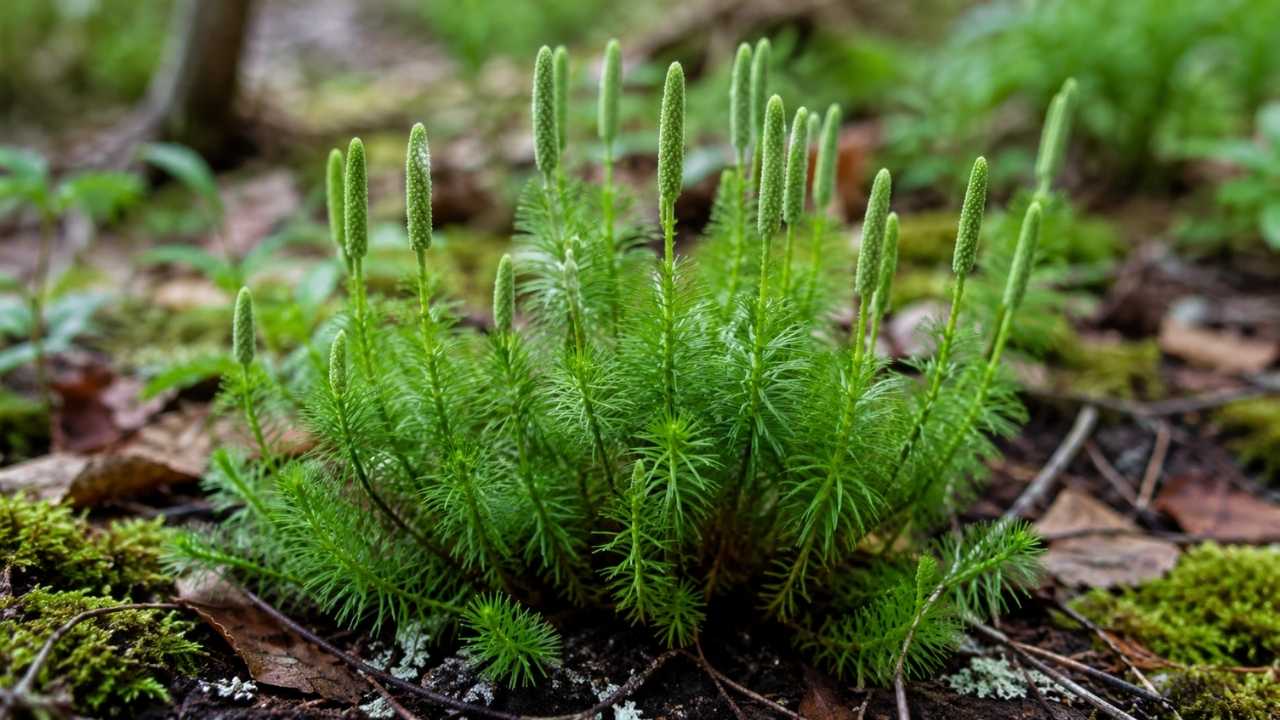
Lycophytes Plant Care: Lycophytes are among the oldest groups of vascular plants still living on Earth today. These fascinating plants first appeared more than 400 million years ago and once dominated prehistoric forests during the Carboniferous period. Today, they survive in smaller forms, quietly thriving in forests, wetlands, mountains, and tropical environments around the world.
Unlike flowering plants, lycophytes reproduce through spores rather than seeds. They are often admired for their delicate appearance, soft green foliage, and ancient evolutionary history. Common examples include clubmosses, spike mosses, and quillworts. Although they may resemble mosses at first glance, lycophytes are actually vascular plants with specialized tissues that transport water and nutrients.

Plant enthusiasts appreciate lycophytes for their unique textures and their ability to create lush, natural displays in terrariums, shaded gardens, and indoor plant collections. Caring for these plants successfully requires understanding their natural habitat and recreating similar environmental conditions.
Natural Habitat of Lycophytes
Lycophytes grow naturally in a wide range of environments, but most species prefer moist and shaded habitats. They are commonly found on forest floors where humidity remains high and sunlight is filtered through tree canopies. Some species thrive in tropical rainforests, while others survive in cooler mountainous regions or wetlands.

Clubmosses often spread across damp woodland soil, forming dense green carpets. Spike mosses are especially common in humid tropical climates where they grow between rocks, along stream banks, or under dense vegetation. Quillworts are unique because many species grow partially submerged in shallow freshwater habitats such as ponds and marshes.
The common factor among most lycophyte habitats is consistent moisture. These plants evolved long before dry terrestrial conditions became widespread, so they still depend heavily on humid surroundings for healthy growth and reproduction.

Ideal Growing Conditions for Lycophytes
Replicating a lycophyte’s natural environment is the key to successful care. These plants are generally low maintenance once their humidity and moisture needs are met.
Temperature plays an important role in their health. Most lycophytes prefer mild temperatures ranging between 15°C and 25°C. Extreme heat can dry them out quickly, while freezing conditions may damage delicate foliage. Indoor growers often keep them in controlled spaces where temperature fluctuations are minimal.

Humidity is equally important. Lycophytes thrive in environments with high air moisture. Dry indoor air can cause browning, curling, or slow growth. Using a humidifier or placing plants inside terrariums can help maintain proper humidity levels.
Light requirements vary slightly between species, but most prefer indirect or filtered sunlight. Harsh direct sunlight can scorch their leaves and dry out the soil too quickly. A shaded windowsill or naturally dim room usually provides suitable lighting indoors.

Choosing the Right Soil for Lycophytes
The best soil for lycophytes is loose, moisture retentive, and well draining. These plants dislike compacted soil because their roots are delicate and require oxygen circulation.
A mixture containing peat moss, leaf mold, coco coir, and perlite often works well. This combination holds moisture while preventing waterlogging. For species grown in terrariums, adding sphagnum moss can help retain humidity around the roots.
It is important to keep the soil consistently moist without making it soggy. Standing water may lead to root rot, especially in indoor containers with poor drainage. Pots with drainage holes are highly recommended for healthy root development.
Some aquatic or semi aquatic species, such as quillworts, require entirely different conditions and may need shallow water environments to survive properly.

Watering Requirements for Healthy Growth
Lycophytes depend on regular moisture more than many common houseplants. Their watering schedule should mimic the damp forest environments where they naturally grow.
The soil should never dry out completely. Water whenever the top layer begins to feel slightly less moist, but avoid flooding the container. Using distilled water or rainwater is often beneficial because some species are sensitive to minerals and chemicals found in tap water.
Indoor heating systems can dry out the air rapidly during colder months, increasing the plant’s moisture needs. Misting the foliage lightly may help improve humidity, although excessive misting without airflow can encourage fungal problems.
Terrariums provide one of the best environments for moisture loving lycophytes because they naturally trap humidity and reduce water loss.

Fertilizing Lycophytes Properly
Lycophytes generally require very little fertilizer. In nature, they grow in nutrient poor environments where organic matter breaks down slowly over time. Excess fertilizer may damage their roots or cause weak, unnatural growth.
A diluted liquid fertilizer applied once every month during the growing season is usually enough. Organic fertilizers with low nitrogen content are often the safest option. During winter or periods of slow growth, feeding should be reduced or stopped entirely.

Healthy lycophytes are usually identified by vibrant green foliage, steady spreading growth, and strong moisture retention rather than rapid expansion.
Propagation Methods for Lycophytes
Propagating lycophytes can be both rewarding and challenging. Since these plants reproduce through spores, their life cycle differs greatly from seed producing plants.
Spore propagation requires patience because the process is slow and sensitive to environmental conditions. Spores must be collected carefully and placed on sterile growing medium with high humidity and indirect light. Germination may take several weeks or even months.
Many indoor growers prefer vegetative propagation because it is simpler and faster. Creeping species such as spike mosses can often be divided gently into smaller sections and replanted in moist soil. Each section may continue growing independently if humidity remains stable.
Successful propagation depends heavily on moisture control and avoiding sudden environmental stress.
Common Problems and How to Prevent Them
Although lycophytes are relatively hardy in suitable conditions, they can develop problems if their environment becomes too dry or poorly ventilated.
Brown or crispy foliage usually indicates insufficient humidity or underwatering. Increasing air moisture and maintaining evenly moist soil often solves the issue quickly.
Yellowing leaves may result from overwatering or poor drainage. If the roots remain waterlogged for long periods, fungal diseases may develop. Improving soil drainage and reducing excess moisture can help restore plant health.
Pests are generally uncommon, but spider mites and fungus gnats may occasionally appear indoors. Keeping the environment clean and avoiding stagnant conditions reduces the risk of infestations.
Good airflow is essential, especially in enclosed terrariums. Stale humid air can encourage mold growth, which may damage delicate foliage over time.
Best Ways to Display Lycophytes Indoors
Lycophytes are highly valued for their decorative appearance and prehistoric charm. Their soft textures and rich green tones create a calming, natural atmosphere indoors.
Terrariums remain one of the most popular display methods because they maintain stable humidity while showcasing the plants beautifully. Glass containers combined with rocks, moss, and driftwood can recreate miniature forest environments.
Some species also grow well in shaded bathrooms where humidity levels remain naturally high. Others can be planted in woodland style gardens outdoors if the climate stays consistently moist and cool.
Combining lycophytes with ferns and mosses often creates visually striking arrangements that resemble ancient landscapes from prehistoric times.
Why Lycophytes Continue to Fascinate Plant Lovers
Lycophytes are more than simple decorative plants. They represent a living connection to Earth’s distant past and offer a glimpse into the evolution of plant life. Their resilience over hundreds of millions of years makes them one of the most remarkable plant groups still surviving today.
For gardeners and collectors, growing lycophytes provides a unique experience that differs from caring for typical flowering houseplants. Their preference for humidity, shade, and gentle care encourages a slower and more mindful approach to plant keeping.
Whether displayed in a terrarium, cultivated in a shaded garden, or studied for their ancient origins, lycophytes continue to inspire curiosity and admiration. With the right balance of moisture, light, and care, these timeless plants can thrive beautifully while bringing a touch of prehistoric nature into modern spaces.