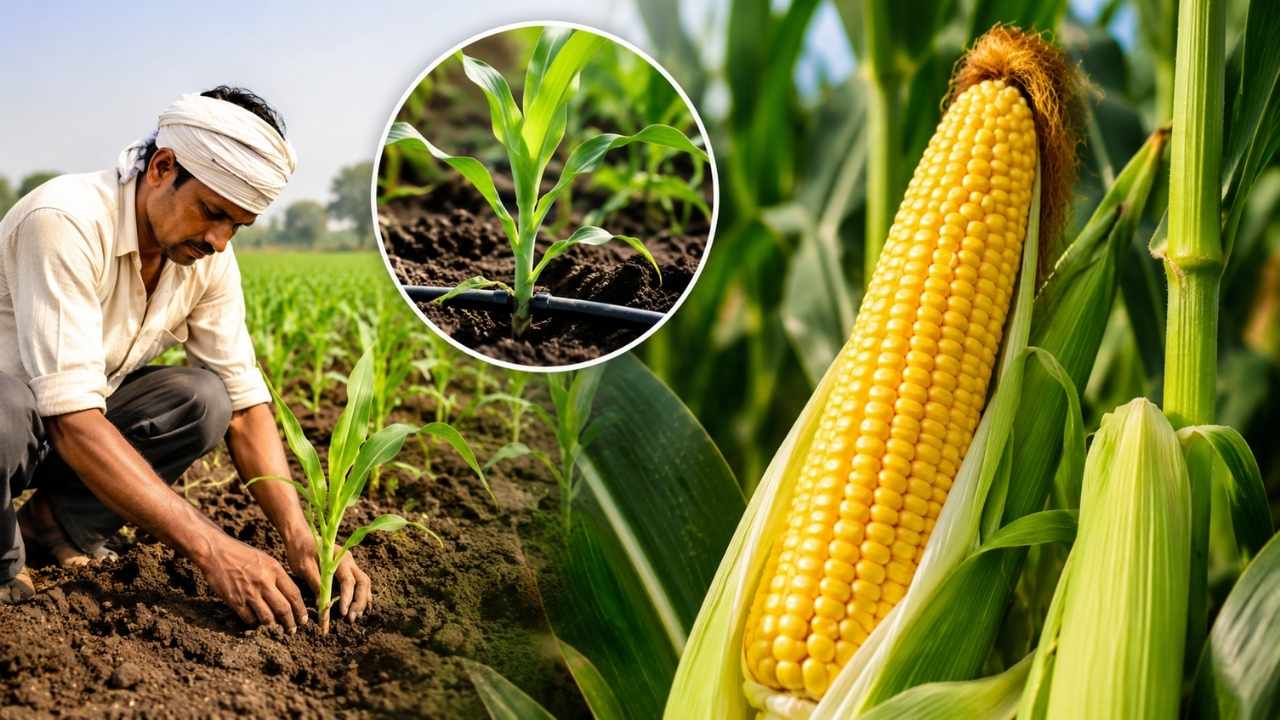
Maize Farming Guide: Maize farming is one of the most rewarding agricultural activities for farmers across the world. Known as corn in many countries, maize is widely grown because of its high demand in food, livestock feed, and industrial production. It is a versatile crop that adapts well to different climates and soil types when managed properly. Successful maize farming depends on careful planning, correct planting methods, proper nutrient management, and timely crop care.
Farmers who follow the right cultivation practices can achieve healthy plants and high yields. From land preparation to harvesting, every stage plays an important role in crop performance. Understanding the needs of the maize plant helps farmers reduce losses and improve productivity. This guide explains each step of maize farming in a simple and practical way for beginners and experienced growers alike.
Choosing the Right Variety
Selecting the right maize variety is the first step toward a successful harvest. Different varieties are suitable for different climates, soil conditions, and farming purposes. Some maize types are ideal for grain production, while others are better for fodder or sweet corn consumption.
Farmers should choose seeds based on rainfall patterns, temperature conditions, and resistance to local pests and diseases. Hybrid varieties are popular because they usually produce higher yields and stronger plants. However, local open pollinated varieties can also perform well, especially in areas with limited farming inputs.
Good quality seeds should be clean, disease free, and have high germination rates. Purchasing certified seeds from trusted suppliers helps ensure healthy crop establishment and better field performance.
Land Preparation
Proper land preparation creates favorable conditions for seed germination and root development. The field should be cleared of weeds, crop residues, and stones before plowing begins. Deep plowing loosens the soil and improves water infiltration.

After plowing, the land should be harrowed to break large soil clumps and create a fine seedbed. Well prepared soil allows seeds to make good contact with moisture and nutrients. In areas with heavy rainfall, raised beds or ridges may help improve drainage and reduce waterlogging.
Adding organic matter such as compost or farmyard manure during land preparation improves soil fertility and structure. Healthy soil supports stronger root growth and better nutrient absorption throughout the growing season.

Best Time for Planting
Planting maize at the correct time is essential for good crop establishment. The ideal planting period depends on local climate and rainfall conditions. In rainfed farming systems, maize should be planted at the beginning of the rainy season to ensure sufficient moisture for germination.
Late planting may expose the crop to drought stress or pest attacks during critical growth stages. Early planting often helps plants develop stronger roots and use available rainfall more efficiently.

Soil temperature is also important for seed germination. Maize seeds grow best when the soil is warm and moist. Cold or overly wet soil conditions can delay germination and reduce plant vigor.
Planting Methods and Spacing
Correct planting methods help ensure healthy crop growth and maximum yield potential. Seeds should be planted at a depth of about 3 to 5 centimeters depending on soil moisture and texture. Planting too deep may delay emergence, while shallow planting can expose seeds to birds and drying.

Proper spacing allows plants to receive enough sunlight, air circulation, and nutrients. Crowded plants compete for resources and may produce smaller cobs. Wider spacing may reduce the total plant population and overall yield.
Many farmers use row planting because it makes weeding, fertilizer application, and harvesting easier. Maintaining uniform plant spacing also improves crop management and reduces competition among plants.

Fertilizer and Nutrient Management
Maize requires adequate nutrients for strong growth and grain formation. Nitrogen, phosphorus, and potassium are the major nutrients needed by the crop. Deficiency of these nutrients can lead to weak plants and reduced yields.
Before planting, farmers are encouraged to test the soil to understand nutrient levels and pH conditions. Soil testing helps determine the correct type and amount of fertilizer needed.

Basal fertilizers are usually applied during planting to support early root development. Nitrogen fertilizers are often applied later in split doses because maize plants require more nitrogen during rapid vegetative growth.
Organic fertilizers such as compost and animal manure can also improve soil fertility and moisture retention. Combining organic and inorganic fertilizers often produces better long term results for soil health and crop productivity.

Irrigation and Water Management
Water is essential for maize growth, especially during germination, flowering, and grain filling stages. Insufficient moisture during these critical periods can significantly reduce yield.
In irrigated farming systems, water should be applied carefully to maintain adequate soil moisture without causing flooding. Overwatering may lead to root diseases and nutrient leaching.

Farmers should monitor weather conditions and soil moisture regularly. Mulching can help conserve soil moisture and reduce evaporation during dry periods. Good drainage is equally important because standing water can damage maize roots and stunt plant growth.
Efficient water management improves plant health and helps ensure consistent crop performance throughout the season.
Weed Control
Weeds compete with maize plants for sunlight, water, nutrients, and space. If not controlled early, weeds can reduce maize yields significantly. The first few weeks after planting are especially important because young maize plants are highly vulnerable to weed competition.
Manual weeding using hoes remains common among small scale farmers. Mechanical cultivation and herbicides are also used in larger farming operations. Keeping the field clean during the early growth stages helps maize plants establish quickly and grow vigorously.
Mulching and crop rotation can also reduce weed pressure naturally. Timely weed control improves nutrient use efficiency and supports healthy crop development.
Pest and Disease Management
Maize crops are vulnerable to various pests and diseases that can affect yield and grain quality. Common pests include fall armyworms, stem borers, and aphids. Diseases such as maize streak virus, rust, and leaf blight may also cause serious damage if not managed properly.
Regular field inspection helps farmers detect problems early before they spread widely. Integrated pest management practices are highly recommended. These practices include crop rotation, resistant varieties, biological control methods, and proper field sanitation.
Chemical pesticides should only be used when necessary and according to recommended guidelines. Safe pesticide handling protects both human health and the environment.
Healthy crops grown under good management practices are generally more resistant to pests and diseases.
Harvesting Maize
Harvesting should be done when the maize cobs are fully mature and dry. Mature maize usually has dry husks and hard grains. Harvesting too early may result in poor grain quality and higher moisture content.
Farmers often harvest maize manually by removing cobs from the stalks. In large scale farming systems, harvesting machines may be used to save time and labor.
After harvesting, the grains should be dried properly to reduce moisture levels and prevent mold growth during storage. Proper drying improves grain quality and reduces post harvest losses.
Careful handling during harvesting and storage helps maintain the market value of the crop.
Storage and Marketing
Good storage practices are important for protecting maize from pests, moisture, and spoilage. Grains should be stored in clean, dry, and well ventilated facilities. Using airtight containers or treated storage bags can help reduce insect damage.
Farmers should inspect stored maize regularly for signs of pests or mold. Poor storage conditions can lead to significant losses even after a successful harvest.
Marketing is another important part of maize farming. Farmers should monitor market prices and demand trends before selling their produce. Selling at the right time can increase profits and improve income stability.
Some farmers also add value by processing maize into flour, animal feed, or other products before selling.
Conclusion
Maize farming can be highly productive and profitable when proper farming practices are followed from planting to harvest. Success depends on choosing suitable seed varieties, preparing the land properly, managing nutrients effectively, and protecting the crop from weeds, pests, and diseases.
Consistent field monitoring and timely management decisions help farmers achieve healthy crops and higher yields. With good planning and dedication, maize farming can provide food security, income opportunities, and long term agricultural sustainability for farming communities around the world.