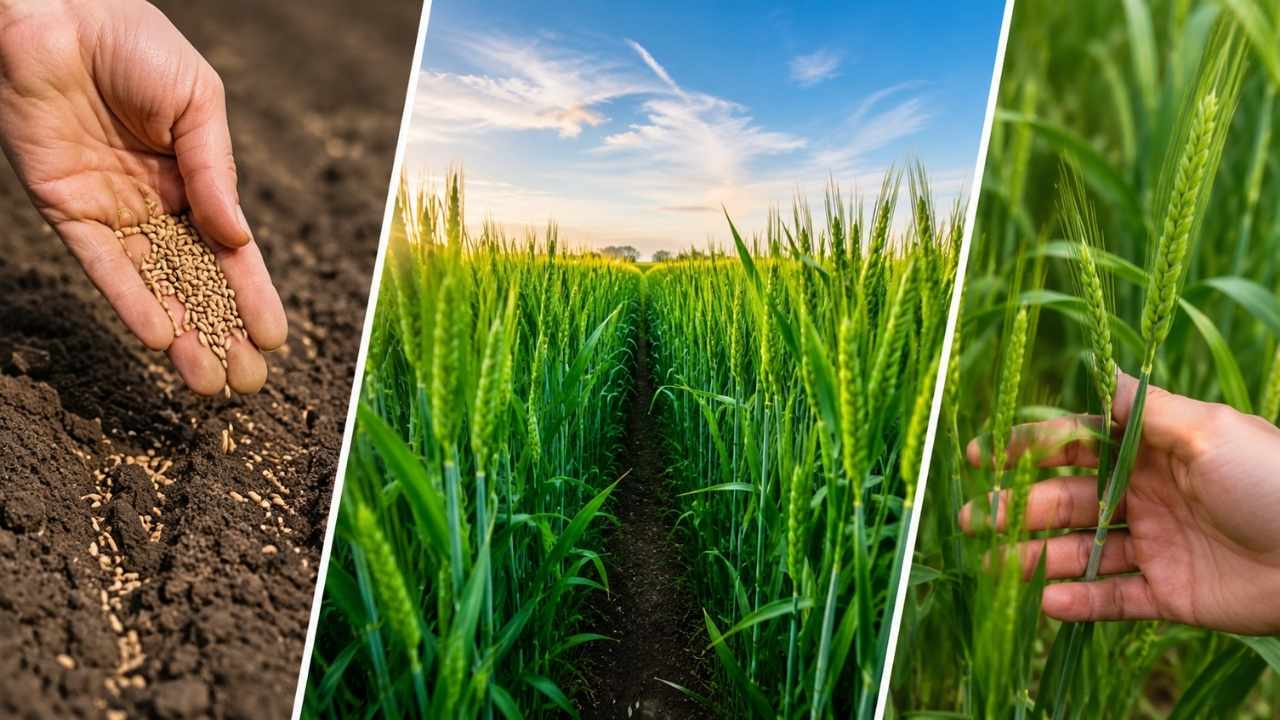
Rye Planting and Care: Rye is one of the easiest and most dependable grains a beginner can grow. It adapts well to poor soil, survives cold temperatures, and grows quickly with very little maintenance. Farmers have cultivated rye for centuries because of its resilience and versatility. Today, home gardeners and small scale growers plant rye for grain production, animal feed, soil improvement, and winter cover cropping.
If you are new to gardening or grain cultivation, rye is an excellent place to start. It requires less attention than many other crops and still rewards growers with strong growth and healthy harvests. Whether you want to improve your soil, prevent erosion, or harvest rye grain for personal use, understanding the basics of planting and care will help you succeed.
This guide explains everything beginners need to know about growing rye from start to finish.
Understanding Rye and Its Benefits
Rye is a cereal grain closely related to wheat and barley. It grows especially well in cool climates and can tolerate harsh weather conditions better than many other grains. Winter rye is the most commonly planted type because it survives freezing temperatures and continues growing in early spring.

One major benefit of rye is its ability to improve soil health. Many gardeners use it as a cover crop during colder months. Its deep roots loosen compacted soil and help reduce erosion caused by rain and wind. Rye also suppresses weeds naturally because it grows thick and fast.
Another advantage is that rye requires fewer nutrients than many crops. Even in low fertility soil, rye often performs surprisingly well. This makes it ideal for beginners who may not yet have perfectly prepared garden beds.

Rye grain itself has many uses. It can be milled into flour, used in bread making, fed to livestock, or planted again for future crops.
Choosing the Right Time to Plant Rye
Timing plays an important role in successful rye cultivation. Most gardeners plant winter rye in late summer or early fall. This allows the plants to establish roots before winter arrives. In many regions, planting takes place about four to six weeks before the first expected frost.

Spring rye can also be planted in areas with shorter winters, although winter rye generally produces better results. The cooler temperatures help rye develop strong growth without excessive stress.
If your goal is soil protection and weed suppression, fall planting is usually best. Rye continues growing slowly through winter and becomes active again in early spring.

Before planting, check your local climate conditions. Rye thrives in cooler weather and does not perform as well during extreme heat.
Preparing the Soil
One reason rye is beginner friendly is that it tolerates many soil types. Still, preparing the soil properly will improve germination and growth.

Start by removing weeds, rocks, and debris from the planting area. Loosen the soil using a rake, hoe, or garden tiller. Rye grows best in well drained soil with moderate fertility.
Although rye tolerates poor soil, adding compost or organic matter can encourage healthier plants. Mix compost evenly into the top layer of soil before sowing seeds.

Avoid overly wet areas where standing water remains after rain. Excess moisture may lead to root problems or fungal diseases.
Level the soil surface lightly before planting so seeds can make good contact with the ground.

Planting Rye Seeds
Rye seeds are easy to sow and germinate quickly under proper conditions. Beginners often appreciate how simple the planting process can be.
Broadcast the seeds evenly across the prepared soil or plant them in rows. If broadcasting by hand, try to spread the seeds as uniformly as possible to avoid overcrowded patches.

After sowing, lightly rake the soil to cover the seeds with a thin layer of earth. Rye seeds usually need about one to two inches of soil coverage. Press the soil gently to improve seed contact.
Water the area lightly after planting if the soil is dry. Moisture helps trigger germination, which often occurs within one to two weeks.

Do not plant seeds too deeply. Shallow planting encourages quicker emergence and healthier seedlings.
Watering and Early Growth Care
Rye generally requires less watering than many garden crops. During the early growth stage, however, consistent moisture helps seedlings establish strong roots.
Water lightly whenever the top layer of soil becomes dry. Avoid overwatering because rye prefers balanced moisture rather than soggy conditions.
Once established, rye becomes fairly drought tolerant. In cooler seasons with regular rainfall, additional watering may not be necessary.
Young rye plants grow rapidly and soon form dense green coverage across the soil surface. This natural density helps reduce weed growth without much effort from the gardener.
Keep an eye on the field or garden during the first month. Healthy seedlings should appear upright, green, and evenly distributed.
Fertilizing Rye Plants
Rye is not a heavy feeder, which makes it easier for beginners to manage. In many home gardens, compost alone provides enough nutrition for healthy growth.
If soil fertility is very low, a balanced fertilizer may help encourage stronger plants. Apply fertilizer sparingly because excessive nitrogen can cause overly lush growth that becomes weak or difficult to manage.
Organic fertilizers often work well for rye cultivation. Compost, aged manure, or natural soil amendments provide slow and steady nutrients.
For cover crop purposes, many gardeners skip fertilizer entirely since rye already performs well under modest conditions.
Observing plant color can help determine nutrient needs. Pale or yellowing leaves may indicate nutrient deficiency, while deep green healthy leaves usually suggest balanced growth.
Managing Weeds and Pests
One of rye’s greatest strengths is its natural ability to compete with weeds. Because it grows quickly and densely, rye shades the soil and limits weed germination.
In the early stages, remove large weeds manually if they appear near young seedlings. Once rye becomes established, weed problems usually decrease significantly.
Rye also experiences fewer pest problems than many common crops. However, occasional insects or fungal diseases may appear depending on local conditions.
Good airflow and proper spacing help reduce disease risk. Avoid overcrowding and excessive watering, especially in humid climates.
Birds sometimes feed on newly planted seeds. Light covering or temporary garden netting can help protect freshly sown areas if bird activity becomes heavy.
Regular observation remains the best defense. Healthy rye plants usually recover well from minor issues without major intervention.
Caring for Rye Through Winter
Winter rye is especially valued for its cold tolerance. As temperatures drop, growth slows, but the plants continue protecting the soil throughout winter.
Snow often acts as insulation, helping rye survive freezing conditions. In early spring, the plants resume vigorous growth as temperatures rise.
Minimal winter care is needed. In fact, rye generally performs best when left undisturbed during colder months.
Avoid walking repeatedly over frozen or waterlogged soil because compaction can damage root systems. Otherwise, rye requires very little attention through winter.
This low maintenance nature is one reason many beginners enjoy growing rye successfully during their first gardening seasons.
Harvesting Rye
The harvesting process depends on your growing purpose. If you planted rye as a cover crop, many gardeners cut it down before seed heads fully mature. The plant material can then be turned into the soil as green manure.
For grain production, allow the seed heads to mature completely. Mature rye turns golden brown and feels dry to the touch.
Cut the stalks using garden shears or a sickle. Bundle the harvested plants and allow them to dry further in a protected location with good airflow.
After drying, separate the grains from the stalks through threshing. Winnowing helps remove lightweight plant material from the grain.
Store harvested rye in a cool, dry place to maintain quality and prevent moisture damage.
Common Mistakes Beginners Should Avoid
One common beginner mistake is planting rye too late in the season. Seeds need enough time to establish before severe cold arrives.
Overwatering is another issue. While seedlings need moisture, soggy soil can damage roots and encourage disease.
Some gardeners also apply too much fertilizer, especially nitrogen rich products. Excess nutrients may create weak growth instead of strong healthy plants.
Poor seed distribution can lead to uneven growth. Try to spread seeds consistently across the planting area.
Finally, avoid ignoring the crop completely. Although rye is hardy, occasional observation helps identify small problems before they become serious.
Conclusion
Rye is one of the most rewarding crops for beginner gardeners and small scale growers. Its resilience, fast growth, and low maintenance requirements make it ideal for those learning basic planting skills.
Whether you grow rye for grain, livestock feed, or soil improvement, the process is straightforward and highly manageable. With proper timing, simple soil preparation, and basic care, rye can thrive in many different environments.
For beginners looking to gain confidence in gardening and crop cultivation, rye offers an excellent starting point. A small amount of effort can lead to healthy growth, improved soil, and a successful harvest season after season.