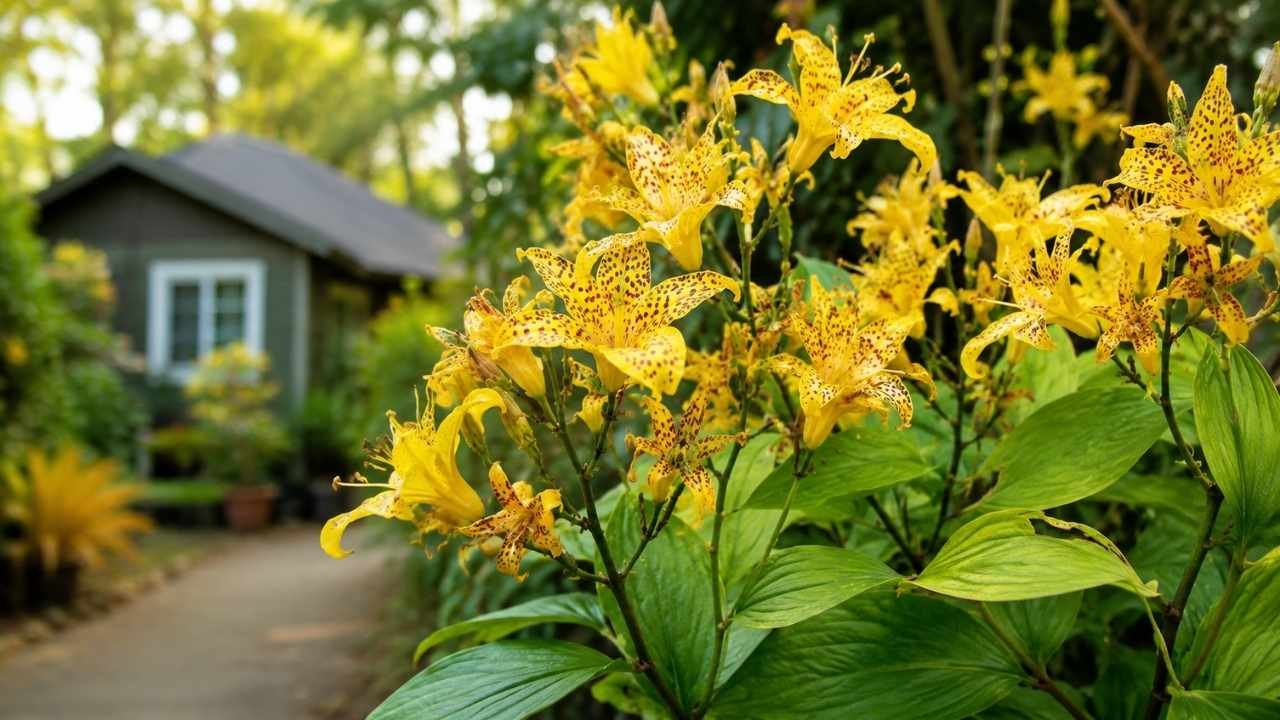
Oriental Leopard’s‑Bane Care Guide: Few garden flowers bring the cheerful energy of spring quite like Oriental Leopard’s Bane. With its bright golden yellow blooms and fresh green foliage, this perennial plant lights up garden beds when many other plants are only beginning to wake from winter dormancy. Gardeners who want a burst of early season color often discover that Oriental Leopard’s Bane is one of the most rewarding choices they can make.
Native to parts of southeastern Europe, this attractive flowering perennial has earned a place in gardens around the world thanks to its reliability, beauty, and relatively simple care requirements. The daisy-like flowers stand proudly above the foliage, creating a vibrant display that instantly catches the eye. Whether planted in cottage gardens, woodland borders, mixed perennial beds, or even containers, this plant offers versatility and charm.
One of the reasons Oriental Leopard’s Bane remains popular among both beginner and experienced gardeners is its ability to thrive with minimal attention. Once established, it can provide years of stunning spring displays while requiring only basic maintenance. Its bright flowers also attract beneficial pollinators, helping support a healthy and lively garden ecosystem.
This comprehensive guide explores everything you need to know about growing and caring for Oriental Leopard’s Bane. From planting and watering to pest management and seasonal maintenance, you will discover practical tips that can help your plants flourish year after year.
Understanding Oriental Leopard’s Bane
Oriental Leopard’s Bane belongs to the daisy family and is valued primarily for its brilliant yellow flowers that appear in early to mid spring. The blooms resemble miniature sunflowers or daisies and often measure between two and three inches across. Their vibrant color stands out beautifully against the rich green leaves below.
The foliage itself is quite attractive. Large heart shaped leaves form a dense clump at the base of the plant, creating texture and visual interest even after flowering has finished. As temperatures rise in summer, the foliage may begin to decline, particularly in warmer climates. This natural process is not usually a cause for concern.
Most varieties reach heights between one and two feet, making them suitable for the middle section of flower borders. Their compact growth habit allows them to fit comfortably among other spring and summer perennials.
Gardeners often appreciate the plant’s ability to return reliably each year. As a perennial, it develops stronger root systems over time and can gradually form larger clumps that become increasingly impressive with age.
Why Gardeners Love This Golden Beauty
The appeal of Oriental Leopard’s Bane goes far beyond its bright flowers. Many gardeners choose it because it fills an important seasonal gap in the landscape. Early spring gardens sometimes lack color, especially after a long winter. This plant provides a welcome burst of sunshine exactly when it is needed most.
Another major advantage is its adaptability. It performs well in a variety of garden settings and pairs beautifully with tulips, daffodils, bleeding hearts, and other spring bloomers. The combination creates a layered display of colors and textures that can transform an ordinary garden bed into a spectacular seasonal showcase.
Its low maintenance nature also contributes to its popularity. Unlike some flowering plants that require constant pruning, feeding, or protection, Oriental Leopard’s Bane generally thrives with routine care. This makes it particularly attractive for busy homeowners who want beautiful gardens without spending countless hours on maintenance.
Additionally, pollinators such as bees are often drawn to the flowers. Supporting pollinator populations has become increasingly important for gardeners, and adding nectar rich plants is one simple way to contribute to a healthier environment.
Choosing the Ideal Planting Location
Selecting the right location is one of the most important steps in ensuring healthy growth. Oriental Leopard’s Bane performs best in areas that receive partial sun. Morning sunlight combined with afternoon shade is often ideal, especially in regions with hot summers.
In cooler climates, the plant can tolerate more direct sunlight throughout the day. However, excessive afternoon heat may cause stress, particularly during warmer months. Observing your garden’s sun patterns before planting can help you choose the most suitable spot.
Soil quality also plays a significant role. The plant prefers rich, well drained soil with plenty of organic matter. While it can adapt to average garden soil, improved soil conditions generally lead to stronger growth and more abundant flowering.
Avoid locations where water tends to collect after rainfall. Poor drainage can increase the risk of root problems and reduce overall plant health. Raised beds or slightly elevated planting areas often provide excellent growing conditions.
Soil Preparation for Healthy Growth
Proper soil preparation lays the foundation for long term success. Before planting, loosen the soil to a depth of at least twelve inches. This encourages healthy root development and improves drainage.
Mixing compost into the planting area is highly beneficial. Organic matter improves soil structure, enhances moisture retention, and provides a steady source of nutrients. Well aged compost is particularly effective because it supports beneficial microorganisms that contribute to healthy root growth.
If your soil is heavy clay, adding compost and other organic materials can improve drainage significantly. Sandy soils may also benefit from organic matter, which helps retain moisture and nutrients.
Testing soil conditions before planting can provide valuable insights. Although Oriental Leopard’s Bane is not especially demanding, it generally performs best in slightly acidic to neutral soil conditions.
Planting Oriental Leopard’s Bane Successfully
Planting is relatively straightforward, making this perennial suitable even for novice gardeners. Spring and early autumn are usually the best times for planting because temperatures are moderate and root systems can establish before extreme weather arrives.
Dig a hole that is approximately twice as wide as the root ball and about the same depth. Position the plant so the crown sits at soil level. Planting too deeply can create moisture related problems around the crown.
After placing the plant in the hole, backfill with soil and gently firm it around the roots. Water thoroughly to eliminate air pockets and encourage good root to soil contact.
Spacing is another important consideration. Allow enough room between plants to promote healthy air circulation. Crowded conditions may increase the likelihood of disease and reduce flowering performance.
Watering Requirements Throughout the Season
Consistent moisture is important during the establishment period. Newly planted specimens should be watered regularly until they develop strong root systems.
Once established, Oriental Leopard’s Bane becomes reasonably tolerant of short dry periods. However, prolonged drought can affect flowering and overall vigor. Deep watering during dry weather is generally more effective than frequent shallow watering.
The goal is to keep the soil evenly moist but not waterlogged. Overwatering can be just as problematic as underwatering, particularly in poorly drained soils.
Mulching around the base of the plant helps conserve moisture, regulate soil temperature, and reduce weed growth. A layer of organic mulch can significantly improve growing conditions throughout the season.
Fertilizing for Abundant Blooms
Although Oriental Leopard’s Bane is not a heavy feeder, moderate fertilization can encourage vigorous growth and impressive flowering displays.
Applying compost each spring often provides sufficient nutrients for healthy development. Gardeners who prefer commercial fertilizers may use a balanced slow release product according to label instructions.
Avoid excessive nitrogen applications. Too much nitrogen can promote lush foliage at the expense of flower production. Balanced nutrition encourages both healthy leaves and abundant blooms.
Regular observation is the best guide. Healthy plants with rich green foliage and strong flowering stems generally indicate that nutrient levels are adequate.
Seasonal Maintenance and Care
Routine maintenance helps keep plants attractive and productive. Deadheading spent flowers can improve appearance and occasionally encourage additional blooming. Removing faded blooms also prevents the plant from directing unnecessary energy into seed production.
As summer approaches, foliage may naturally decline. This is normal for many spring flowering perennials. Surrounding the plant with later emerging perennials can help fill any gaps in the garden bed.
In autumn, remove dead or damaged foliage to reduce the risk of overwintering pests and diseases. A light mulch layer can provide additional winter protection in colder regions.
With these simple maintenance practices, Oriental Leopard’s Bane can remain a dependable and beautiful feature in the garden for many years.
